




What's Happening?
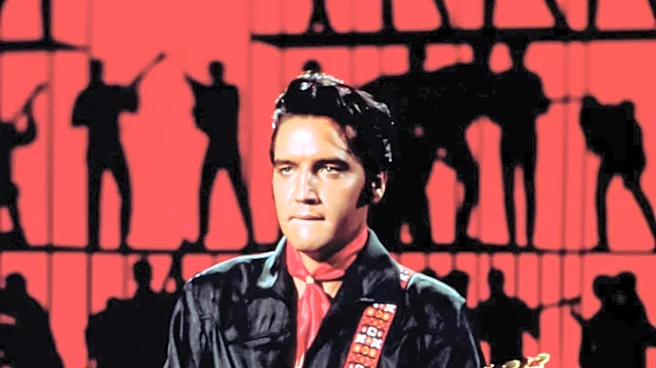
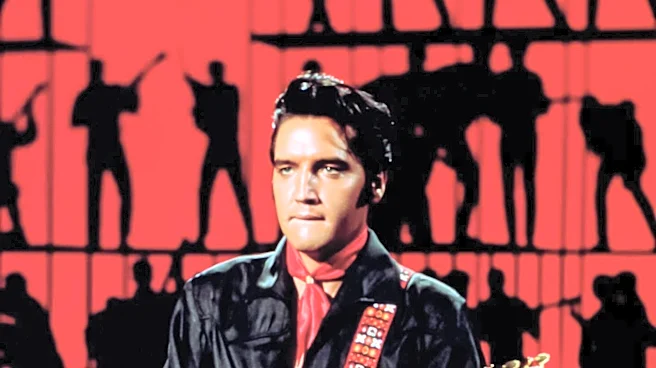
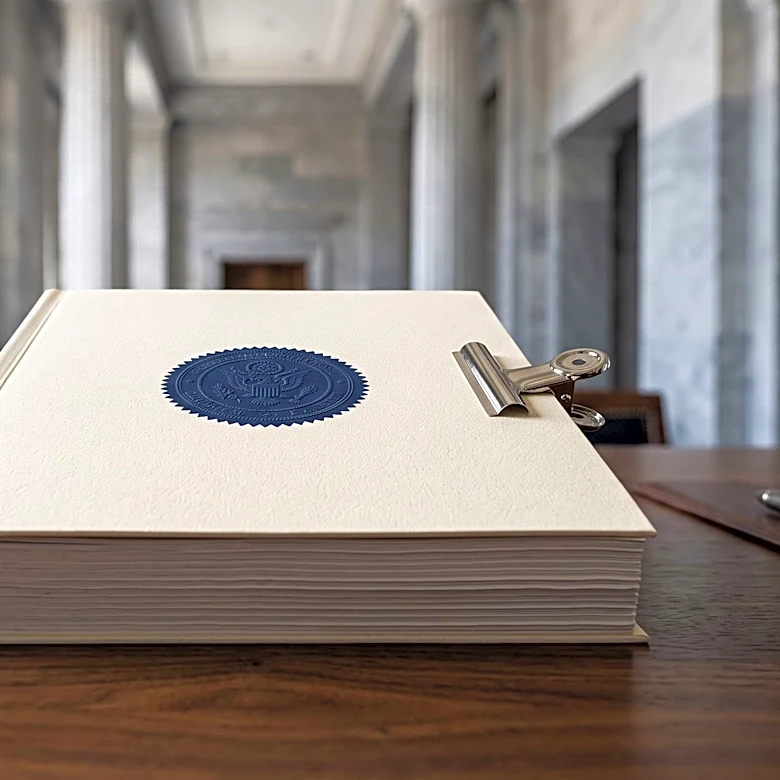
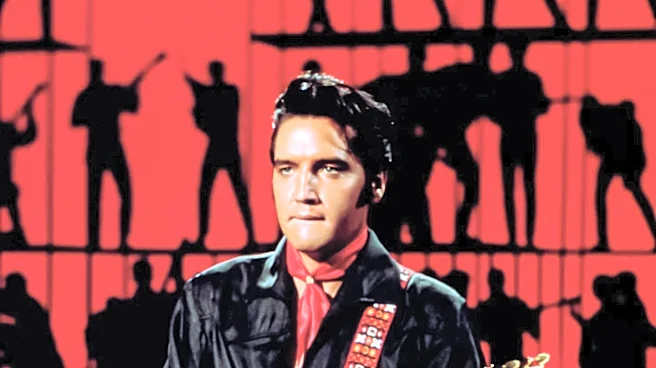
The heirs and rights holders of Elvis Presley's music have filed a lawsuit against Anthropic, an American artificial intelligence company responsible for the chatbot Claude. The lawsuit, filed on October 23, 2026, in a federal court in the Northern District
of California, alleges that Anthropic used 274 of Presley's compositions without authorization to train its AI models. The plaintiffs, including ABG EPE IP LLC (an entity linked to Authentic Brands Group, which manages Presley's commercial rights), Raleigh Music Publishing, Abilene Music, Jason Simeon Aberbach, and trusts related to the Aberbach family and Luigi Creatore (co-composer of 'Can’t Help Falling in Love'), claim that Anthropic reproduced copyrighted works, incorporated them into its training processes, and allowed its chatbot to generate content that reproduces or transforms song lyrics without proper licensing. The total amount claimed by the plaintiffs exceeds $48.6 million, with up to $150,000 sought for each of the 274 compositions for copyright infringement, totaling approximately $41.1 million.
Why It's Important?
This lawsuit highlights the escalating legal battles between content creators and AI developers over the unauthorized use of copyrighted material for training large language models. The case is significant because it involves direct rights holders of a major musical catalog, rather than solely large record companies, emphasizing the broad impact of AI on intellectual property. The outcome could set a precedent for how AI companies acquire and use data for training, potentially leading to stricter regulations and licensing requirements for copyrighted works. For the music industry, a favorable ruling for the plaintiffs could establish a new revenue stream for artists and rights holders, ensuring they are compensated when their work is used to develop AI technologies. Conversely, a ruling against them could further complicate copyright enforcement in the age of AI, potentially devaluing creative works if they can be freely used for AI training without remuneration.
What's Next?
Anthropic has stated that it disagrees with the accusations and intends to fully defend itself against the lawsuit. The legal proceedings will likely involve extensive discovery to determine the extent to which Presley's songs were used in Anthropic's AI training data and whether the chatbot's outputs constitute copyright infringement. The court will need to interpret existing copyright law in the context of AI's generative capabilities, a relatively new and complex area of jurisprudence. Beyond monetary damages, the plaintiffs are also seeking injunctive relief to prevent further infringements and the seizure or destruction of unauthorized copies of their works from Anthropic's training datasets and infrastructure. This case is part of a growing trend of litigation against AI companies, and its resolution could influence future agreements and legal frameworks governing AI development and intellectual property rights.
Beyond the Headlines
This lawsuit delves into the fundamental ethical and legal questions surrounding the ownership and use of creative works in the era of artificial intelligence. It raises concerns about the potential for AI to devalue human creativity by replicating or transforming existing works without proper attribution or compensation. The case also touches upon the broader debate about fair use in the context of AI training, where AI models 'learn' from vast datasets that often include copyrighted material. The outcome could force a re-evaluation of how intellectual property is protected and licensed in the digital age, potentially leading to new models for collaboration and compensation between creators and AI developers. It also underscores the tension between technological innovation and the rights of artists, highlighting the need for legal frameworks that can adapt to rapidly evolving technologies while safeguarding creative industries.