



What's Happening?
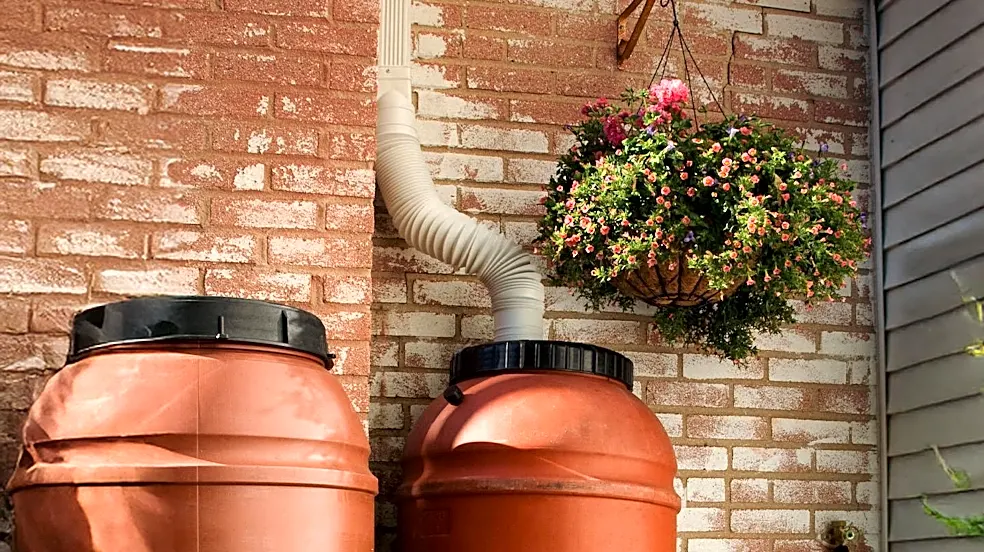
Valeo's plant in Río Bravo, Tamaulipas, has implemented a comprehensive water recovery project that combines rainwater harvesting with the recovery of condensation from air conditioning units. Launched in 2023, the initiative has already enabled the automotive
technology company to reuse 12 million liters of water annually, achieving 66.79% of its water recovery target for the first two years. The system involves collecting rainwater in a 1,500 m³ cistern, where it is stored and filtered before being reused for various plant activities. Carlos Calvo, Health, Safety, and Environment Manager at Valeo Río Bravo, emphasized the company's proactive role in protecting water resources in a region facing water stress. Valeo aims to recover 14 million liters of water in the coming years, which would represent nearly 80% of its established target. Beyond internal plant operations, the project also benefits the local community by discharging excess water into local canals during heavy rainfall, aiding in regional water management.
Why It's Important?
This initiative by Valeo is significant for several reasons. Firstly, it demonstrates a proactive corporate commitment to environmental sustainability and responsible resource management, particularly in regions experiencing water stress. By significantly reducing its reliance on fresh water sources, Valeo sets a precedent for industrial water conservation. Secondly, the project's dual approach of rainwater harvesting and condensation recovery showcases an integrated strategy for maximizing water reuse, which can serve as a model for other manufacturing facilities. Thirdly, the benefit extended to the local community through controlled discharge of excess water highlights a broader corporate social responsibility, contributing to regional water management and potentially mitigating flood risks. This effort not only enhances the plant's operational sustainability but also fosters positive community relations and contributes to the overall environmental health of the Río Bravo region.
What's Next?
Valeo plans to further expand its water recovery efforts, aiming to reach a target of 14 million liters of recycled water annually, which would represent nearly 80% of its established goal. This suggests continued investment in and optimization of their existing rainwater harvesting and condensation recovery systems. The project's success and recognition from local authorities, including the Tamaulipas Secretariat of Water Resources, may encourage other industrial players in the region to adopt similar water conservation strategies. Valeo's initiative could also lead to further innovations in industrial water management, potentially exploring advanced treatment technologies for broader wastewater recycling. The company's stated goal of serving as a model for other businesses and public agencies indicates a potential for knowledge sharing and collaboration to promote wider adoption of sustainable water practices in the industrial sector.
Beyond the Headlines
Valeo's water recycling project in Río Bravo reflects a growing trend in industrial sustainability where companies are moving beyond compliance to proactive environmental stewardship. This initiative highlights the economic and ecological benefits of circular water systems, where water is treated as a valuable resource to be reused rather than a disposable commodity. Ethically, it underscores the responsibility of large corporations to mitigate their environmental footprint, especially in resource-scarce regions. Legally, such successful projects could influence future environmental regulations, potentially leading to stricter water reuse mandates for industrial facilities. Culturally, it contributes to a broader shift in corporate ethos, where environmental performance is increasingly viewed as integral to business success and brand reputation. The long-term implications include enhanced regional water security, reduced operational costs for industries, and a more sustainable industrial landscape that harmonizes with local ecological needs.