





What's Happening?
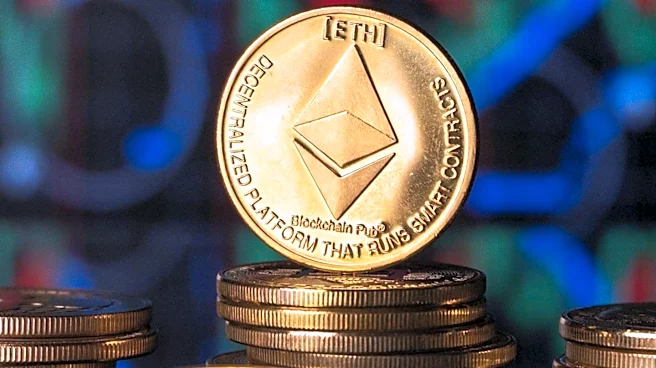
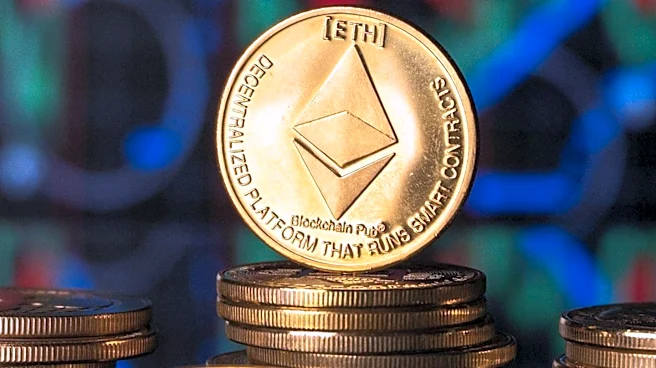
Ethereum, despite a recent 19% decline for the year and trading 51% below its August 2025 all-time high of $4,954, is projected to be the top-performing cryptocurrency in 2027. This forecast comes amidst a crypto market where other digital assets like
Hyperliquid and Zcash have seen significant gains in the current year. Ethereum maintains its position as the leading Layer 1 blockchain network, particularly in decentralized finance (DeFi), holding a commanding 53% market share in total value locked (TVL), a key metric for DeFi strength. The next closest blockchain holds only a 7% market share. Ethereum is also at the forefront of emerging DeFi trends such as stablecoins and real-world asset (RWA) tokenization, which involves converting ownership rights of traditional assets like stocks and bonds into tradeable crypto. These trends are gaining traction with major Wall Street banks and financial institutions, indicating a clear path for Ethereum towards institutional adoption. However, challenges remain, including ongoing outflows from spot Ethereum exchange-traded funds (ETFs) and a lack of progress in comprehensive crypto legislation from Congressional lawmakers.
Why It's Important?
Ethereum's potential resurgence in 2027 holds significant implications for the broader cryptocurrency market and traditional finance. Its dominance in DeFi, coupled with its leading role in stablecoins and RWA tokenization, positions it as a critical infrastructure for the future integration of blockchain technology into mainstream financial systems. If major financial institutions continue to embrace these trends, Ethereum is likely to be their preferred blockchain platform, driving substantial institutional investment and adoption. This could lead to increased liquidity, stability, and legitimacy for the entire crypto ecosystem. Conversely, continued outflows from Ethereum ETFs and legislative stagnation could hinder its growth and broader acceptance, impacting investor confidence and the pace of innovation in decentralized finance. The performance of Ethereum often influences the wider altcoin market, making its trajectory a key indicator for the health and direction of the digital asset space.
What's Next?
The future trajectory of Ethereum will largely depend on several key factors. The trend of spot Ethereum ETF outflows will need to reverse for sustained price appreciation. Additionally, the actions of Ethereum treasury companies regarding their Ether coin holdings will influence market dynamics. A significant catalyst could be renewed efforts by Congressional lawmakers to pass comprehensive crypto legislation, such as the Clarity Act, which could provide regulatory clarity and boost institutional confidence. The continued adoption of stablecoins and RWA tokenization by Wall Street banks and financial institutions will also be crucial in solidifying Ethereum's role in traditional finance. Historically, Ethereum has demonstrated periods of significant recovery and outperformance, as seen in 2020-2021. If similar market conditions or catalysts emerge, Ethereum could replicate its past performance, potentially leading to a substantial rally in 2027, surpassing other cryptocurrencies that have seen recent gains.
Beyond the Headlines
The potential for Ethereum to lead the crypto market in 2027 extends beyond mere price performance; it signifies a deeper shift in how traditional finance views and integrates blockchain technology. Ethereum's foundational role in DeFi and its embrace of RWA tokenization suggest a future where digital assets are not just speculative investments but integral components of global financial infrastructure. This evolution could challenge existing financial paradigms, offering more efficient, transparent, and accessible financial services. The ongoing legislative debates surrounding cryptocurrencies highlight the tension between innovation and regulation, with the outcome potentially shaping the future of digital asset adoption in the U.S. The success of Ethereum in attracting institutional capital could also set a precedent for other blockchain platforms, accelerating the mainstreaming of decentralized technologies and potentially leading to a more interconnected and digitized global economy. The ethical and legal frameworks surrounding tokenized real-world assets will also need to evolve to ensure investor protection and market integrity.