







What's Happening?
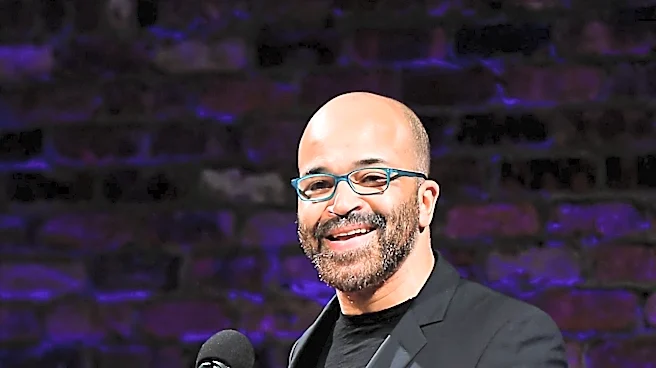
Jeffrey Wright, an acclaimed African American actor, recently reflected on his career and the impact of his work on young actors. Known for his role in the film 'Basquiat', Wright has been recognized for his contributions to cinema, including receiving
the President's Award at the Karlovy Vary International Film Festival. He emphasized the importance of art in addressing societal issues like racism, suggesting that humor can help overcome the fear of discussing such topics. Wright's career spans both major blockbusters like 'Batman' and independent films, showcasing his versatility and commitment to meaningful storytelling.
Why It's Important?
Wright's insights highlight the role of art and media in societal discourse, particularly in addressing complex issues like racism. His career serves as an inspiration for young actors, demonstrating the potential of film to influence and inspire. By advocating for open discussions on racism, Wright contributes to a broader cultural movement towards inclusivity and understanding. His involvement in both mainstream and independent cinema underscores the importance of diverse narratives in shaping public perception and fostering dialogue.
What's Next?
Wright continues to engage in projects that challenge societal norms and encourage reflection. His upcoming role in the continuation of the 'Basquiat' story, 'Samo Lives', indicates his ongoing commitment to exploring significant cultural themes. As he balances roles in high-profile films and independent projects, Wright is likely to remain a prominent voice in discussions about race and representation in the arts.
Beyond the Headlines
Wright's career trajectory and his advocacy for addressing racism through art reflect broader trends in the entertainment industry towards more inclusive and socially conscious storytelling. His work exemplifies how actors can leverage their platforms to effect change and inspire future generations. The intersection of art and activism in Wright's career may influence other artists to pursue similar paths, potentially leading to a more diverse and equitable cultural landscape.