
What's Happening?
Roseanne Barr's new self-financed sitcom, 'Meemaw,' is reportedly struggling to find a network or streaming platform to pick it up. Major networks like ABC, NBC, and CBS have expressed no interest, and leading streaming services are also reluctant. The
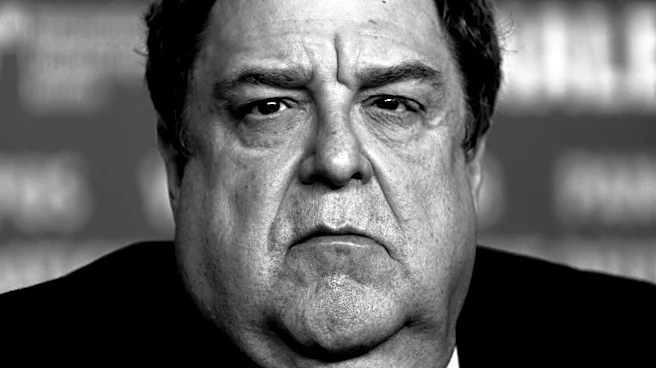
show, which Barr self-financed, is loosely based on her life in Texas Hill Country and features her as the matriarch of a mixed-race family, co-starring Drea de Matteo, Omar Gooding, and Randy Quaid. Additionally, Barr claims that her former 'Roseanne' co-star, John Goodman, declined an invitation to make a cameo appearance on 'Meemaw.' Barr also stated that she is not in contact with Goodman or Laurie Metcalf, her former co-stars, expressing heartbreak over the estrangement. Barr was fired from the 'Roseanne' revival in 2018 following a controversial tweet, leading to the show's cancellation and its subsequent reinvention as 'The Conners' without her involvement.
Why It's Important?
This development highlights the ongoing challenges Roseanne Barr faces in her return to mainstream television following her 2018 firing. The lack of interest from major networks and streaming platforms suggests that the industry remains cautious about associating with Barr, despite her efforts to self-produce new content. The reported refusal of John Goodman to appear in 'Meemaw' further underscores the strained relationships Barr has with her former colleagues, which could impact the show's appeal and marketability. For Barr, this represents a significant financial risk, as she has invested in producing eight episodes without a distributor. The situation also reflects broader industry trends where past controversies can have long-lasting effects on a performer's career, influencing network decisions and audience reception.
What's Next?
With eight episodes of 'Meemaw' already produced and no buyer, the immediate future of the sitcom remains uncertain. Barr and her team will likely continue to seek distribution, potentially exploring smaller platforms or independent avenues if mainstream options remain closed. The lack of network interest could force Barr to consider alternative release strategies, such as direct-to-consumer models or international distribution. It is also possible that the show may not find a home, resulting in a significant financial loss for Barr. The public response to these developments, particularly from Barr's fanbase and critics, will also be a factor in any future decisions regarding the show's fate.
Beyond the Headlines
The struggle of 'Meemaw' to find a distributor extends beyond a simple business transaction; it touches upon the complex interplay of celebrity, public image, and industry gatekeeping. Barr's past controversies continue to cast a long shadow, demonstrating how public perception and perceived risk can influence commercial viability in the entertainment industry. This situation raises questions about the potential for career rehabilitation in Hollywood after significant public backlash and whether self-financing can truly bypass traditional industry barriers. It also highlights the enduring power of network and streaming platform executives in determining what content reaches audiences, even in an era of increased independent production. The narrative surrounding 'Meemaw' could become a case study in the long-term consequences of controversial public statements for public figures.