







What's Happening?
Infrared saunas utilize radiant heat to penetrate deeper into muscle and tissue compared to traditional saunas, which primarily warm the surrounding air. This technology is designed to alleviate muscle tension, stiffness, and soreness, while also promoting
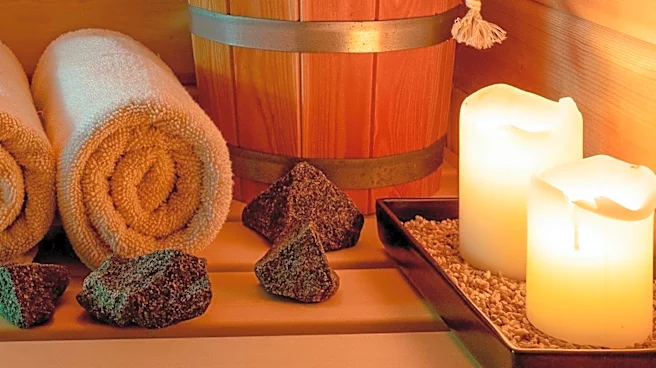
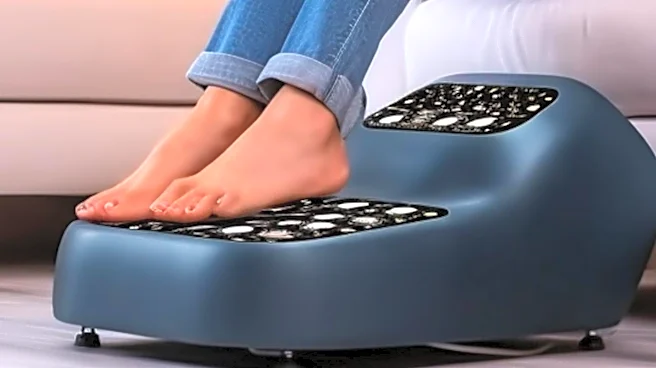
natural circulation and muscle relaxation, particularly beneficial after injuries or intense training. The deeper heat penetration supports faster recovery and is accessible for individuals with limited mobility or acute pain. Benefits include accelerated recovery post-injury, reduced muscle tension, and enhanced circulation and tissue healing. The frequency of use for these saunas is dependent on individual conditions and recovery objectives, and should be determined in consultation with a healthcare provider. Various models are available, from portable sit-up units to more traditional wooden cabins, catering to different space and preference requirements.
Why It's Important?
The increasing availability and adoption of infrared saunas in U.S. homes and wellness centers signify a growing trend in personal health and recovery practices. This technology offers a non-pharmacological approach to managing muscle discomfort and enhancing physical recovery, which can be particularly important for athletes, individuals undergoing physical therapy, or those seeking general wellness. The ability to access these benefits at home provides convenience and consistency, potentially reducing reliance on external facilities and offering a cost-effective long-term solution for muscle care. For the healthcare industry, this trend highlights a shift towards complementary therapies that empower individuals to take a more active role in their recovery and well-being, potentially influencing product development and therapeutic recommendations.
What's Next?
As the understanding of infrared sauna benefits grows, further integration into physical therapy and rehabilitation programs is likely. Manufacturers may continue to innovate, offering more compact, energy-efficient, and feature-rich home sauna options to meet diverse consumer needs. Healthcare providers are expected to increasingly incorporate recommendations for infrared sauna use as part of comprehensive recovery and wellness plans, especially for patients with chronic muscle pain or those recovering from injuries. Research into the long-term health impacts and optimal usage protocols for infrared saunas will also continue, providing more definitive guidelines for safe and effective application. The market for at-home wellness solutions is anticipated to expand, driven by consumer demand for accessible and effective self-care tools.
Beyond the Headlines
The rise of infrared sauna technology reflects a broader cultural shift towards holistic wellness and personalized health management in the U.S. This trend underscores a desire for proactive health measures and a move away from solely reactive medical interventions. Ethically, ensuring that consumers receive accurate information about the benefits and limitations of infrared saunas is crucial to prevent unrealistic expectations. Legally, product safety standards and clear usage guidelines will become increasingly important as these devices become more common in homes. Culturally, the integration of such technologies into daily routines could normalize advanced self-care practices, potentially influencing how individuals perceive and invest in their personal health and well-being over the long term.