






What's Happening?
Recent research and updated guidelines from organizations like the CDC and WHO are refining recommendations for exercise to promote longevity. The consensus now emphasizes a combination of 150 to 300 minutes of moderate aerobic activity or 75 to 150 minutes of vigorous
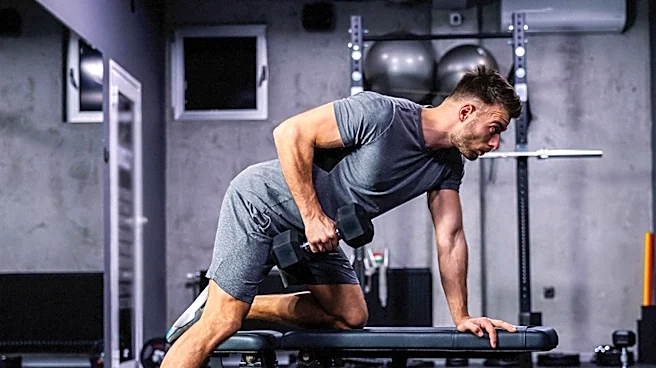
activity per week, coupled with muscle-strengthening exercises on two or more days. Studies indicate that this combined approach leads to significantly lower all-cause mortality, with benefits starting at even half the recommended aerobic dose and plateauing at about two to four times the guideline. Notably, the 'weekend warrior' approach, where weekly exercise is condensed into one or two sessions, has shown similar cardiovascular and mortality benefits to spreading it out, provided the total minutes are met. The long-held 10,000-step target is also being re-evaluated, with data suggesting significant benefits from as few as 4,000 steps, and optimal benefits for older adults around 6,000 to 8,000 steps.
Why It's Important?
These updated exercise guidelines are crucial for public health in the U.S., where a significant portion of the population does not meet recommended activity levels. By clarifying the 'dose' and 'types' of exercise most beneficial for longevity, these guidelines can help individuals make more informed choices, potentially leading to improved health outcomes and reduced healthcare costs associated with chronic diseases. The emphasis on combining aerobic and strength training addresses a broader range of age-related health issues, including cardiovascular health, muscle loss (sarcopenia), and bone density. The flexibility offered by the 'weekend warrior' concept and the revised step count targets can make exercise more accessible and less daunting for many, encouraging greater participation across different lifestyles and fitness levels. This shift in understanding can empower individuals to take proactive steps towards healthier, longer lives.
What's Next?
Healthcare providers and public health organizations are expected to integrate these refined exercise recommendations into their patient education and community programs. There will likely be a continued focus on promoting both aerobic and strength training, with an emphasis on finding activities that individuals can sustain over the long term. Further research will likely explore personalized exercise prescriptions and the optimal integration of balance and flexibility training, especially for older adults to prevent falls. The fitness industry may also adapt by developing more diverse and flexible workout programs that align with these updated guidelines, catering to various schedules and preferences. Educational campaigns will be essential to correct common myths about exercise and encourage inactive individuals to start, emphasizing that even small amounts of activity yield significant benefits.
Beyond the Headlines
The evolving understanding of exercise for longevity reflects a broader scientific movement towards evidence-based health practices. It challenges long-standing assumptions and marketing-driven targets, replacing them with data-backed recommendations. This scientific rigor underscores the importance of critical thinking in health information and the continuous refinement of public health advice. The recognition that 'every move counts' and that benefits accrue even from modest activity levels can democratize exercise, making it less intimidating and more inclusive. Furthermore, the acknowledgment of the social benefits of activities like racket sports highlights the holistic nature of well-being, where physical activity is intertwined with mental and social health. This comprehensive perspective can foster a more integrated approach to health promotion, recognizing that human connection and enjoyment are powerful motivators for sustained healthy behaviors.