





What's Happening?
Brian Moynihan, CEO of Bank of America, has issued a warning regarding the potential for stablecoins to cause a significant shift in bank deposits, estimating a possible transfer of up to $6 trillion. This projection highlights a growing concern within
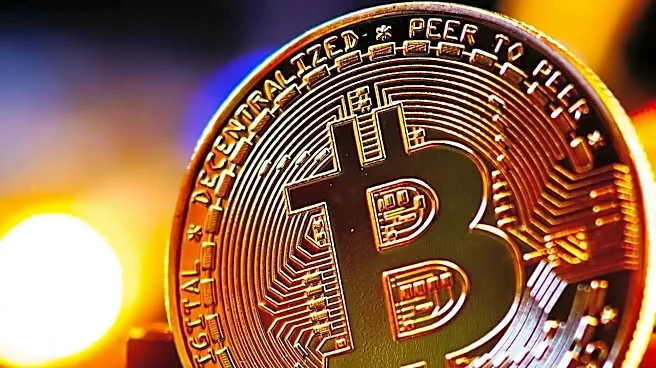
traditional banking institutions about the impact of digital assets on their core business models. Moynihan's comments underscore the view that while cryptocurrencies like Bitcoin may not directly threaten the existence of banks, stablecoins could significantly alter the landscape of banking operations by drawing substantial deposits out of the traditional financial system. This potential outflow of funds could compel banks to either curtail lending activities or seek alternative, often more expensive, wholesale funding sources to maintain liquidity and meet their operational needs.
Why It's Important?
The potential migration of trillions of dollars in deposits from traditional banks to stablecoin-based systems, as warned by Bank of America CEO Brian Moynihan, carries significant implications for the U.S. financial industry and broader economy. A substantial reduction in bank deposits could constrain banks' ability to issue loans, impacting everything from consumer mortgages and small business financing to large corporate investments. This shift could lead to higher borrowing costs for businesses and individuals, potentially slowing economic growth. Furthermore, it could force banks to rely more heavily on wholesale funding, which can be less stable and more costly, thereby affecting their profitability and overall financial health. The competitive landscape would also intensify, as banks would need to innovate rapidly to retain deposits and offer competitive digital asset services, or risk losing market share to more agile fintech companies and digital asset platforms. This scenario highlights a critical juncture for the banking sector, necessitating strategic adaptations to the evolving digital finance ecosystem.
What's Next?
In response to the potential disruption from stablecoins, traditional banks are likely to accelerate their exploration and adoption of digital asset strategies. This could involve developing their own stablecoin offerings, enhancing digital banking services to compete with the efficiency of blockchain-based transactions, or forming partnerships with fintech firms specializing in digital assets. Regulatory bodies, including the Federal Reserve, Treasury, and OCC, are also expected to expedite the development of clear regulatory frameworks for stablecoins and other digital assets. The current ambiguity in regulations, as noted by the industry, creates uncertainty but also an opportunity for institutions to shape future policies. Banks will need to invest heavily in technical and compliance infrastructure to manage blockchain-specific operational risks and integrate real-time reporting, such as the Schedule RC-T requirements. The coming months will likely see increased collaboration between banks and regulators to establish a stable and secure environment for digital finance, aiming to mitigate the risks of deposit migration while harnessing the benefits of technological innovation.
Beyond the Headlines
The discussion around stablecoins and their potential to draw deposits from traditional banks extends beyond immediate financial implications, touching upon fundamental shifts in the nature of money and banking. This development challenges the long-standing role of commercial banks as primary custodians of value and providers of liquidity. If a significant portion of deposits moves to stablecoin rails, it could lead to a disintermediation of traditional banking services, potentially altering the financial system's architecture. This shift also raises questions about financial stability, consumer protection, and monetary policy effectiveness in an increasingly decentralized financial landscape. The ethical dimension involves ensuring equitable access to these new financial technologies and preventing potential systemic risks that could arise from a fragmented or unregulated digital asset market. Ultimately, the rise of stablecoins could catalyze a re-evaluation of the regulatory perimeter, pushing for a more integrated approach to overseeing both traditional and digital financial services to maintain economic stability and public trust.