






What's Happening?
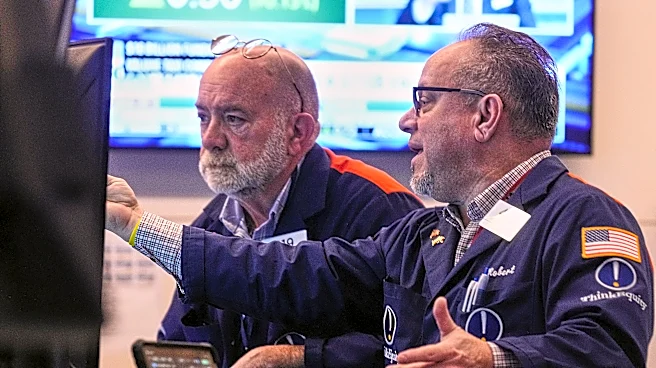
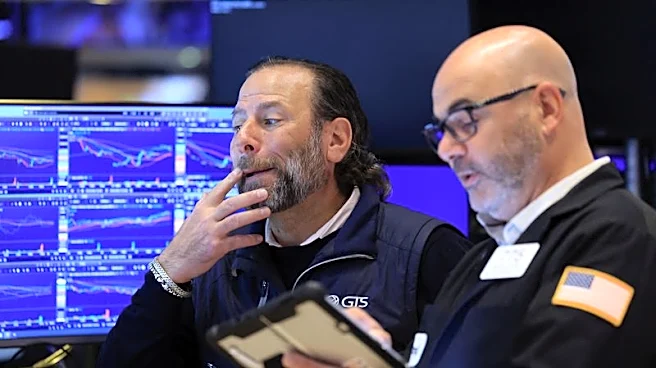
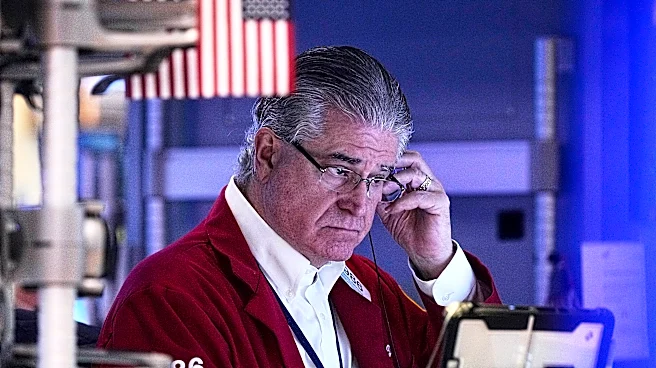
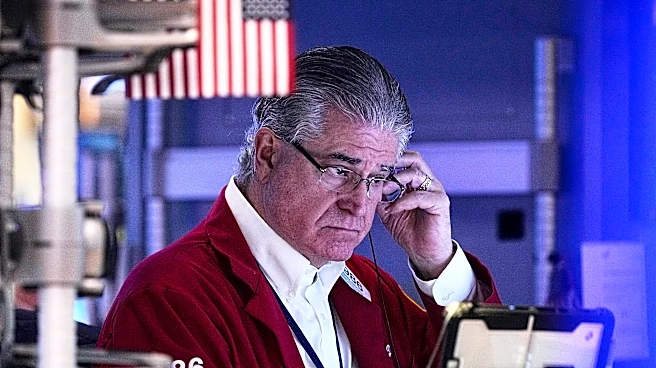
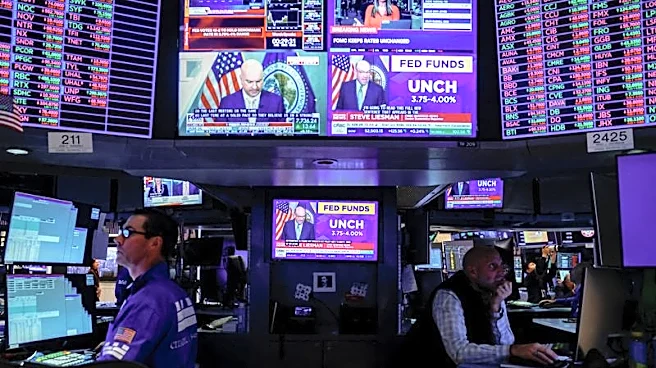
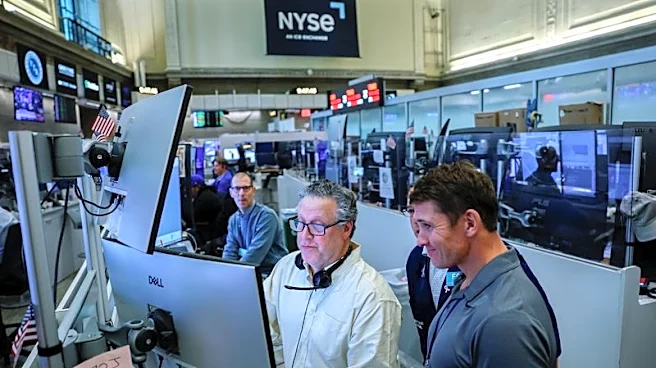
U.S. equity futures experienced a slight dip late Wednesday, following a day where major market indices remained largely flat despite the Federal Reserve's decision to keep interest rates unchanged. The Dow Jones Industrial Average, Nasdaq Composite,
and S&P 500 all closed slightly higher, with gains of 0.19%, 0.28%, and 0.27% respectively. This muted reaction was anticipated by traders, as the market had largely priced in the Fed's decision to maintain interest rates at 3.75% to 4.0%. Two Federal Open Market Committee (FOMC) members, Cook and Hammack, dissented, advocating for a 25-basis point rate increase. The market's calm response extended to rising crude oil prices, which saw WTI Crude Oil increase by 2.51% to $102.44 a barrel amidst escalating Middle East conflicts. Oracle shares surged by 10.7% after the company projected ambitious revenue targets for fiscal year 2030, while Wendy's shares climbed nearly 15% following a privatization offer from Nelson Peltz's Trian Management.
Why It's Important?
The Federal Reserve's decision to hold interest rates steady, and the market's subsequent muted reaction, signals a period of stability and predictability for investors, at least in the short term. This lack of volatility, described as a 'home run for the Fed' by JJ Kinahan, Senior Vice President at Cboe Global Markets, suggests that the central bank is effectively managing market expectations and avoiding 'FOMO' (fear of missing out) driven surges. The S&P 500, despite a rocky month, remains close to its all-time high, indicating underlying market resilience. The strong performance of individual companies like Oracle, driven by ambitious growth plans and a commitment to limiting capital-market funding, highlights investor confidence in specific sectors, particularly those related to artificial intelligence. The reported merger talks between DoorDash and Instacart also point to significant consolidation and strategic moves within the tech and delivery sectors, which could reshape competitive landscapes and consumer services.
What's Next?
Looking ahead, the market will continue to monitor economic indicators and any shifts in the Federal Reserve's stance on interest rates. The CME FedWatch tool indicates an increased probability of a 25-basis point hike in December, suggesting that while rates are currently stable, future adjustments are still on the table. The first look at Q3 GDP and PCE data, expected soon, will provide further insights into the strength of the U.S. economy. The reported $17 billion merger between DoorDash and Instacart, if confirmed, will be a significant development in the delivery services industry, potentially leading to increased market concentration and operational efficiencies. Investors will also be watching for further details on Oracle's growth strategy and how its commitment to limiting capital-market funding will impact its AI investments. The proposed privatization of Wendy's by Trian Management will also be a key event, as it could set a precedent for other struggling companies seeking private ownership to navigate economic and competitive challenges.
Beyond the Headlines
The market's calm acceptance of the Fed's decision, despite ongoing geopolitical tensions and rising crude oil prices, suggests a deeper level of investor maturity and a focus on fundamental economic data rather than immediate reactions to external shocks. This 'muted response' could indicate a market that has largely absorbed and adapted to the current economic environment, including the implications of higher interest rates. The strong performance of tech companies like Oracle, particularly in the AI sector, underscores the ongoing technological transformation driving economic growth. However, the increasing trend of companies waiting longer to go public, due to the availability of private capital and increased regulatory burdens, raises questions about the accessibility of public markets for smaller, emerging businesses and the overall health of the IPO market. This shift could lead to a more concentrated public market dominated by larger, more established companies, potentially limiting investment opportunities for retail investors in early-stage growth companies.