
What's Happening?
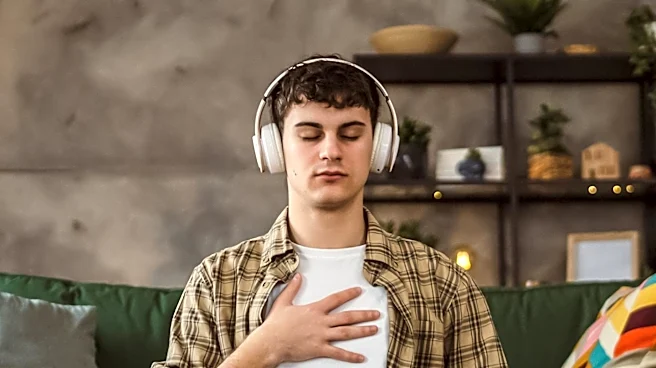
To effectively calm the nervous system, experts recommend focusing on activating the parasympathetic nervous system, primarily through controlled breathing techniques. A key method involves slowing down
breathing, particularly the exhalation phase. Specific recommendations include inhaling through the nose for approximately four seconds and then slowly exhaling for six to eight seconds, a practice that can be maintained for one to five minutes. This technique is noted for its ability to increase vagal activity, which is associated with the 'brake' side of the nervous system, thereby lowering heart rate. Other immediate strategies include performing a double inhale followed by a prolonged sigh, applying cold to the face or neck, tensing and then releasing muscles, and engaging in short, brisk walks if feeling overly agitated. For long-term nervous system regulation, consistent habits such as regular sleep, daily physical activity, and reducing stimulants like caffeine and alcohol are advised. Practicing these relaxation methods during calm periods can also enhance their effectiveness during stressful situations.
Why It's Important?
The ability to regulate the nervous system has significant implications for overall public health and individual well-being in the U.S. Chronic stress and an overactive sympathetic nervous system can contribute to a range of health issues, including cardiovascular problems, anxiety disorders, and sleep disturbances. By providing accessible and evidence-based techniques for calming the nervous system, these recommendations can empower individuals to manage stress more effectively, potentially reducing the burden on the healthcare system. Widespread adoption of these practices could lead to improved mental health outcomes, increased productivity, and a better quality of life for many Americans. Furthermore, understanding the interplay between the sympathetic and parasympathetic systems can foster a more proactive approach to health, encouraging preventative measures rather than solely reactive treatments for stress-related conditions. This knowledge is crucial for individuals seeking to enhance their resilience against daily stressors and maintain physiological balance.
What's Next?
Moving forward, increased public awareness campaigns and educational initiatives could help disseminate these nervous system calming techniques more broadly across the U.S. Healthcare providers, wellness coaches, and mental health professionals may integrate these strategies into their patient care plans, offering practical tools for stress management. Further research could explore the efficacy of these techniques in diverse populations and their potential integration into workplace wellness programs or educational curricula. The development of user-friendly applications or guided meditation platforms incorporating these breathing and relaxation exercises could also make them more accessible to a wider audience. As understanding of the mind-body connection grows, there may be a greater emphasis on holistic approaches to health that prioritize nervous system regulation as a foundational element of well-being.
Beyond the Headlines
Beyond the immediate benefits of stress reduction, the emphasis on nervous system regulation points to a broader cultural shift towards recognizing the physiological underpinnings of mental health. This perspective challenges the traditional separation of mind and body, highlighting how physical practices like breathing can directly influence emotional states and cognitive function. Ethically, promoting these self-regulation techniques empowers individuals with tools for self-care, potentially reducing reliance on pharmacological interventions for stress and anxiety. Legally, as the understanding of stress-related health impacts grows, there might be increased pressure on employers to create work environments that support employee well-being, including opportunities for stress reduction. Culturally, a greater appreciation for practices that foster internal calm could lead to a re-evaluation of societal norms that often prioritize constant activity and external achievement over internal balance and rest. This could foster a more mindful and resilient society.