


What's Happening?
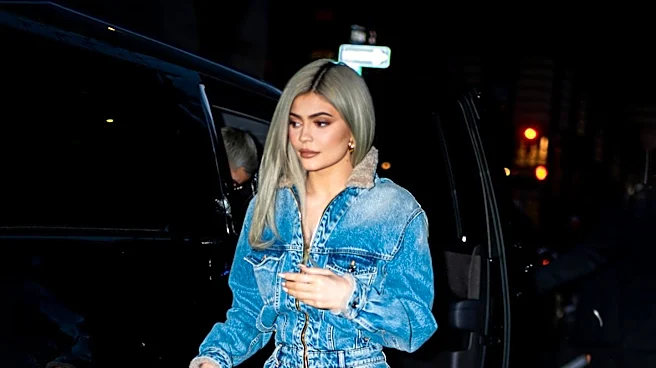
The 'whimsymaxxing' trend, characterized by the application of shiny gemstones and glossy stickers to various items, has gained significant traction, notably influenced by figures like Kylie Jenner and Dua Lipa. This trend involves beautifying everyday
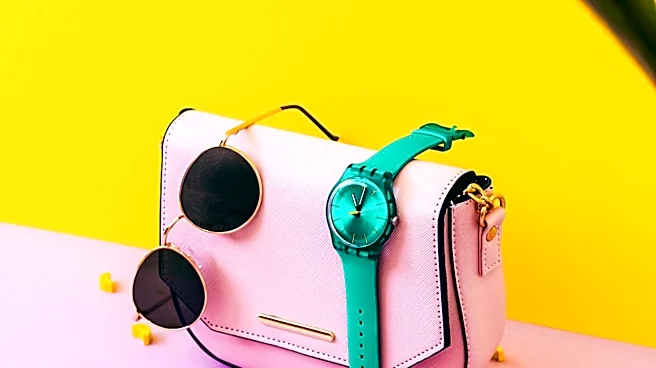
objects with playful, multi-colored embellishments. While the practice itself is not new, its recent surge in popularity has led to a widespread adoption across social media, with users showcasing bedazzled phone cases, jewel-adorned sheet masks, and even rhinestone-covered pets. Amidst this trend, brands like Susan Alexandra have been recognized for their long-standing commitment to this aesthetic. Since 2014, Susan Alexandra has been known for its kitschy charm and bead-covered accessories, establishing itself as a key player in the 'whimsymaxxing' movement. Other brands, such as Notte Jewelry and Wabi-Sabi, have also contributed to the market for serotonin-packed, bejeweled pieces, with Notte Jewelry releasing Y2K-aesthetic accoutrements since 2020 and Wabi-Sabi crafting large pendant necklaces since 2021. The trend is seen as a rebellion against the 'clean girl' aesthetic, embracing maximalism and vibrant, embellished styles.
Why It's Important?
The rise of 'whimsymaxxing' signifies a notable shift in consumer preferences towards more expressive, playful, and maximalist aesthetics in fashion and personal items. This trend impacts the U.S. retail and fashion industries by driving demand for embellished accessories, clothing, and DIY kits. Brands that align with this aesthetic, like Susan Alexandra, stand to gain increased visibility and sales, while traditional minimalist brands may need to adapt their offerings to remain competitive. The trend also highlights the significant influence of social media and celebrity endorsements on consumer behavior, as Kylie Jenner's adoption of 'whimsymaxxing' played a role in its recent popularization. Furthermore, it reflects a broader cultural movement towards nostalgia, particularly for Y2K aesthetics, and a desire for joy and individuality in personal style. This shift could lead to new product development and marketing strategies across various sectors, from fashion and beauty to home goods, as companies seek to capitalize on the demand for whimsical and personalized items.
What's Next?
The 'whimsymaxxing' trend is expected to continue evolving, potentially influencing broader design aesthetics beyond fashion and beauty. We may see an increase in collaborations between designers and artists specializing in embellishments, leading to more unique and limited-edition products. Retailers are likely to expand their inventory of gemstone-covered accessories, clothing, and DIY kits to cater to the growing demand. Social media will remain a crucial platform for the trend's dissemination, with influencers and users continuing to share creative ways to incorporate 'whimsymaxxing' into their daily lives. The trend could also inspire a resurgence of craft-based hobbies, as individuals seek to personalize their belongings. As the trend matures, there might be a diversification of styles within 'whimsymaxxing,' ranging from subtle embellishments to more elaborate, statement-making pieces. The long-term impact could see a more permanent integration of playful and decorative elements into mainstream fashion, moving away from purely minimalist trends.
Beyond the Headlines
Beyond its immediate impact on fashion and retail, 'whimsymaxxing' reflects a deeper cultural yearning for joy, escapism, and self-expression in an increasingly complex world. The embrace of childlike aesthetics and overt decoration can be seen as a form of psychological comfort, offering a sense of lightheartedness and individuality. This trend challenges the often-subtle and understated nature of modern design, advocating for a more overt and celebratory approach to personal style. Ethically, the trend raises questions about sustainability in fast fashion, particularly concerning the production and disposal of embellished items. However, it also encourages creativity and DIY culture, potentially fostering a more personalized and less consumption-driven approach to fashion if individuals are encouraged to embellish existing items. Culturally, 'whimsymaxxing' signifies a pushback against uniformity and a celebration of unique, often quirky, personal tastes, suggesting a broader societal shift towards valuing authenticity and individual expression over conformity.