







What's Happening?
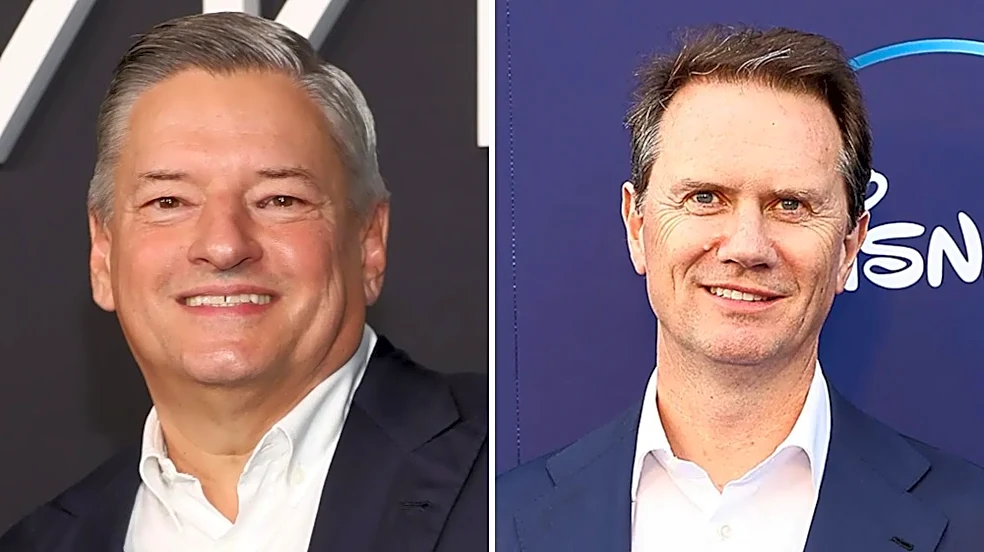
Netflix has announced a significant leadership change, appointing Peter Rice, a former Fox and Disney executive, as its new chief content officer. Rice will assume his role on October 26, overseeing Netflix’s global film and television slate, including
scripted and unscripted programming, film, and live events. This executive transition follows closely on the heels of Netflix's recent announcement of approximately 1,000 layoffs, which represents about six percent of its workforce. The company is undergoing a reorganization of multiple departments as it addresses slowing engagement growth and reevaluates the effectiveness of its substantial programming budget. Bela Bajaria, who served as chief content officer since 2023 and had been with Netflix for nearly a decade, is departing the company. Her tenure saw the continued success of popular series like 'Stranger Things' and 'Bridgerton,' as well as Netflix's expansion into unscripted television, sports, live events, and global programming. Rice brings extensive experience from his previous roles, including chairman of general entertainment content at Disney, where he oversaw television operations for ABC, Hulu, FX, and Disney-branded programming.
Why It's Important?
This leadership change at Netflix signals a broader strategic reset for the streaming giant. The appointment of Peter Rice, an executive with a diverse background in traditional media and streaming, suggests Netflix is looking to redefine its content strategy as it matures. With subscriber growth becoming less of a primary focus, the company is shifting towards maintaining active engagement among its hundreds of millions of users. Rice's mandate appears to be centered on shaping the future direction of Netflix in a more competitive and evolving streaming landscape. This move could lead to significant shifts in the types of content Netflix produces, how it allocates its programming budget, and its overall approach to global content acquisition and development. The timing, immediately after substantial layoffs, indicates a concerted effort to optimize operations and content output, potentially impacting the entire entertainment industry as Netflix adjusts its dominant position.
What's Next?
Peter Rice will officially take over as chief content officer on October 26, initiating a new era for Netflix's content strategy. His immediate focus will likely be on assessing the current global film and television slate, identifying areas for optimization, and potentially implementing new creative directions. The industry will be watching closely for any shifts in Netflix's content acquisition and production priorities, especially concerning its investment in original programming versus licensed content. This change could also influence how Netflix approaches its expansion into new content areas like live events and sports. Furthermore, the strategic reset may lead to further internal reorganizations or adjustments in how different content divisions operate. Competitors in the streaming market will be observing Netflix's moves to adapt their own strategies, as changes from the industry leader often ripple across the entire sector.
Beyond the Headlines
The transition at Netflix reflects a broader challenge facing established streaming services: how to maintain growth and relevance in a saturated market. The company's shift from rapid subscriber acquisition to sustained engagement highlights a maturation phase for the streaming industry. This move could signify a more curated approach to content, potentially prioritizing quality and impact over sheer volume. The appointment of an executive with a strong background in traditional media like Peter Rice might also suggest a blending of old and new media strategies, as Netflix seeks to leverage proven content development models while retaining its innovative edge. This strategic pivot could influence how talent is attracted and retained in the streaming world, as well as how content creators approach pitching projects to major platforms. Ultimately, Netflix's evolution under new content leadership will be a key indicator of the future direction of the global entertainment landscape.