






What's Happening?
Gen Z has popularized compression socks, transforming them from a medical necessity into a wellness and fashion trend, largely driven by social media. This generation, accustomed to tracking personal health metrics, views compression socks as a tool for everyday
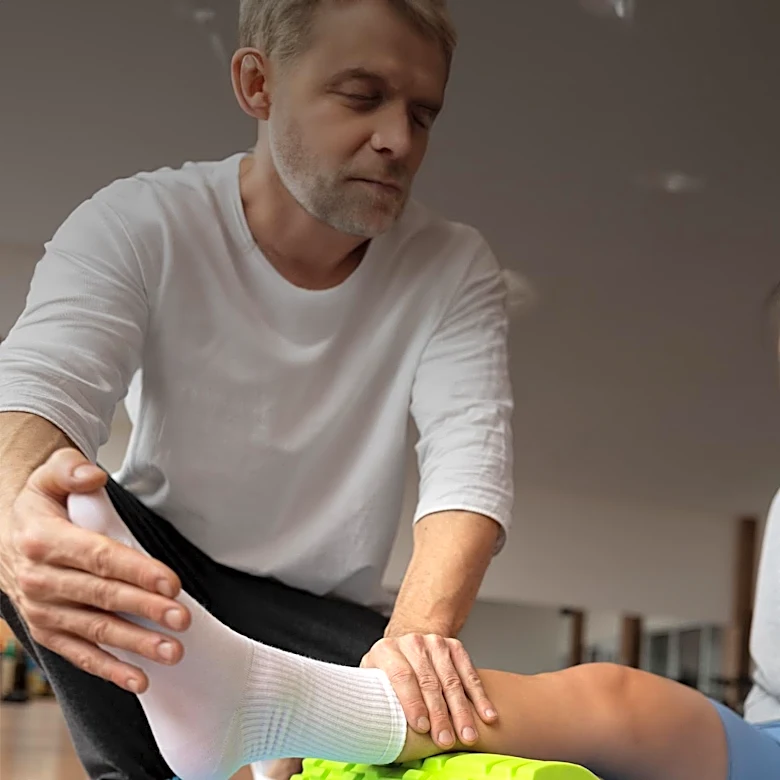
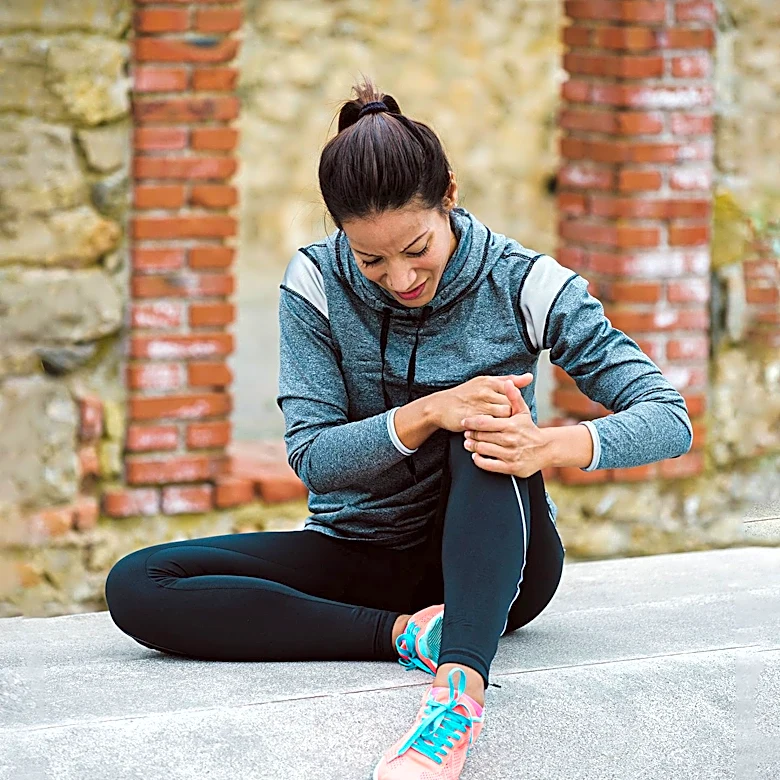
wellness and preventative care. The market has responded with new brands offering compression socks in bold colors and patterns, making them aesthetically appealing and suitable for fashion. While vein doctors support the general idea of light compression for preventative measures, they emphasize that the effectiveness of the socks depends on the compression level (measured in mmHg) rather than just their appearance. Mild compression socks (8 to 15 mmHg) are different from those used for serious vein problems (20 to 30 mmHg). Many Gen Z individuals work jobs requiring long hours on their feet, such as retail, food service, and healthcare, where compression can alleviate daily discomfort. Additionally, travel content has positioned compression socks as essential for long flights to prevent blood clots, and they have become a staple in gym and recovery routines.
Why It's Important?
This trend highlights a significant shift in consumer behavior, particularly among younger demographics, towards proactive wellness and the integration of health-related products into daily fashion. For the healthcare industry, particularly vein specialists, this presents both an opportunity and a challenge. It raises awareness about vein health and preventative care, potentially leading more individuals to seek professional advice for underlying conditions. However, it also necessitates educating the public on the proper use and limitations of compression socks, distinguishing between fashion-driven choices and medical-grade requirements. The fashion industry benefits from the expanded market for stylish compression wear, while the wellness sector sees increased engagement with products that support circulation and recovery. The emphasis on 'quantified self' and preventative health among Gen Z could influence future product development and marketing strategies across various industries, pushing for more integrated health and lifestyle solutions.
What's Next?
The continued popularity of compression socks among Gen Z is likely to drive further innovation in design, materials, and functionality, with brands focusing on both aesthetic appeal and varying compression levels. Healthcare professionals will likely increase their efforts to educate the public on the appropriate use of compression socks, emphasizing that while they can offer comfort and preventative benefits, they are not a standalone cure for serious vein conditions. This may lead to more collaborative efforts between fashion brands and medical experts to ensure products are both effective and safe. The trend could also inspire other wellness products to adopt similar strategies, blending health benefits with fashion and lifestyle integration to appeal to a health-conscious and trend-driven generation. Social media will continue to play a crucial role in disseminating information and trends, influencing consumer choices and product adoption.
Beyond the Headlines
The Gen Z compression sock trend reflects a broader cultural shift towards a more holistic and proactive approach to health and wellness, where self-care is integrated into daily routines and personal style. It underscores the power of social media in transforming niche products into mainstream trends, often blurring the lines between medical necessity and lifestyle choice. This phenomenon also highlights a growing awareness among younger generations about long-term health, even if sometimes influenced by superficial trends. The challenge lies in ensuring that genuine health benefits are not overshadowed by fashion, and that individuals seek professional medical advice when needed, rather than relying solely on trending wellness products. This trend could also signal a future where preventative health measures are increasingly normalized and integrated into everyday life, driven by consumer demand for products that support both well-being and personal expression.