






What's Happening?
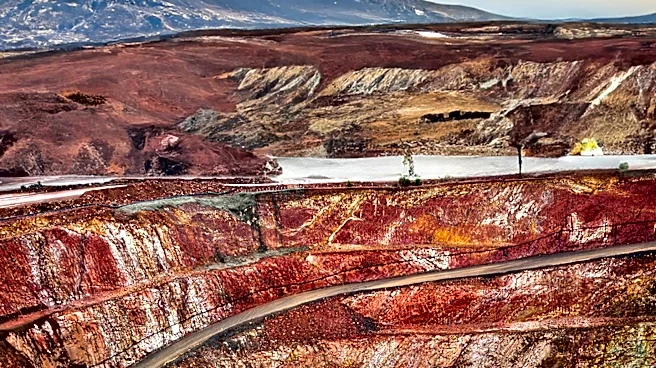
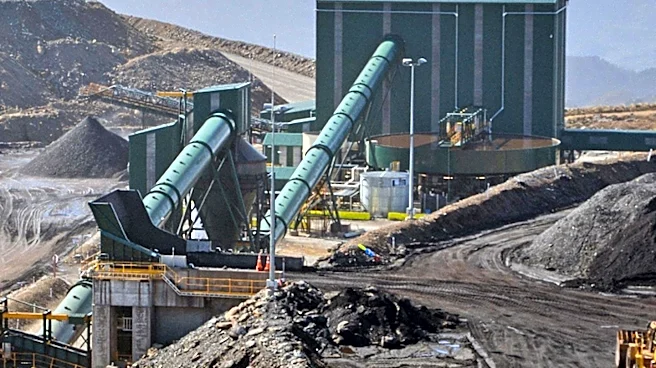
Bunker Hill Mining has successfully produced its first concentrate at the redeveloped Bunker Hill Mine in Idaho's Silver Valley, marking the first output from the site in 45 years. The mine, which was closed in 1981 due to new U.S. environmental laws,
has undergone extensive redevelopment and modernization over the past six years. The company plans to ship the concentrate to the Trail Smelter. The mine's reopening is expected to revitalize the local economy, which suffered the loss of approximately 2,000 jobs when the mine initially closed. The company aims to reach commercial production by the end of 2026, contingent on sustaining operations at a specified throughput level.
Why It's Important?
The reopening of the Bunker Hill Mine is significant for the local economy and the U.S. domestic supply chain. It represents a major step in reviving the mining industry in the region, potentially creating jobs and boosting economic activity. The mine's production of silver and base metals is crucial for meeting domestic demand, especially at a time when supply chain security is a national priority. The project also highlights the potential for modernized mining operations to comply with environmental standards while contributing to economic growth.
What's Next?
Bunker Hill Mining plans to continue its exploration activities, focusing on high-grade silver-lead mineralization. The company has outlined plans for further drilling to support future mineral resource estimates. As the mine ramps up to commercial production, it will likely attract attention from investors and stakeholders interested in the economic and environmental implications of the project. The success of this venture could serve as a model for other mining operations looking to balance economic viability with environmental responsibility.