




What's Happening?
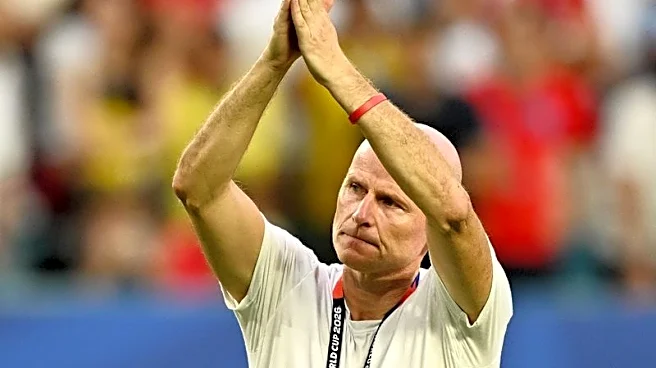
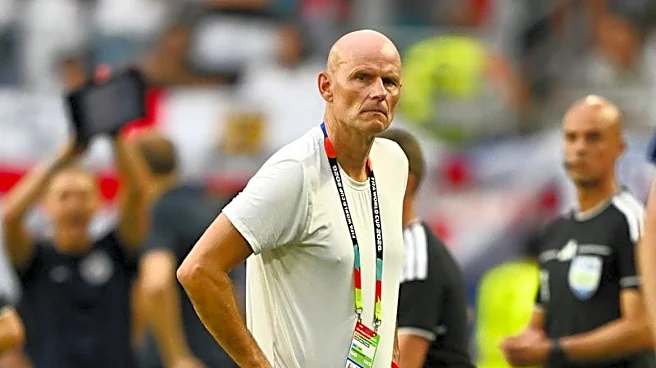
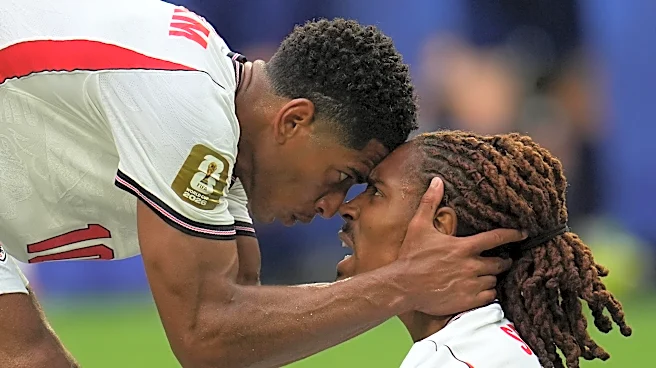
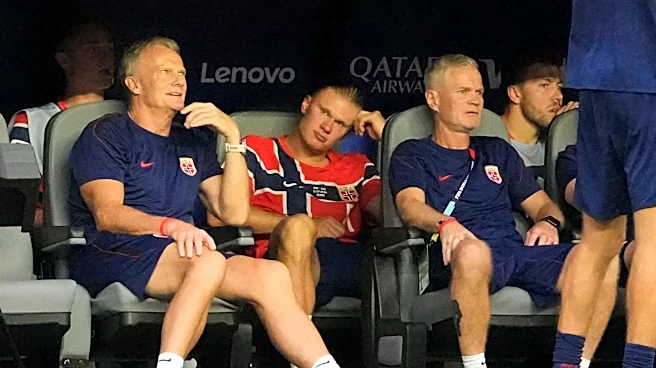
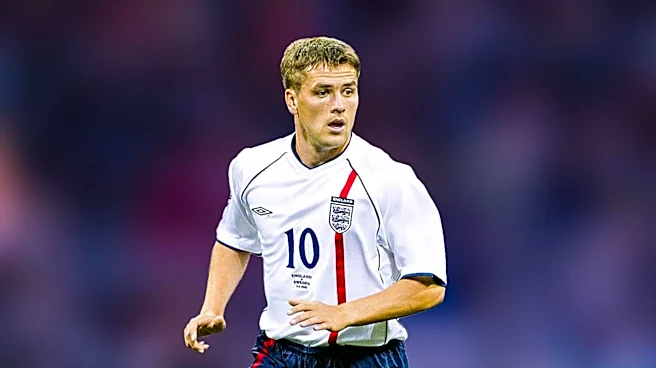
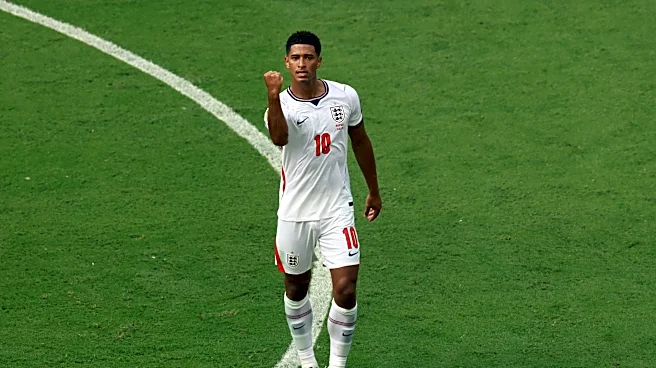
Norway's recent 2-1 loss to England in the World Cup quarterfinals has sparked significant controversy due to a disputed goal. The match saw England equalize with a goal by Jude Bellingham, which was alleged to have been influenced by the ball striking
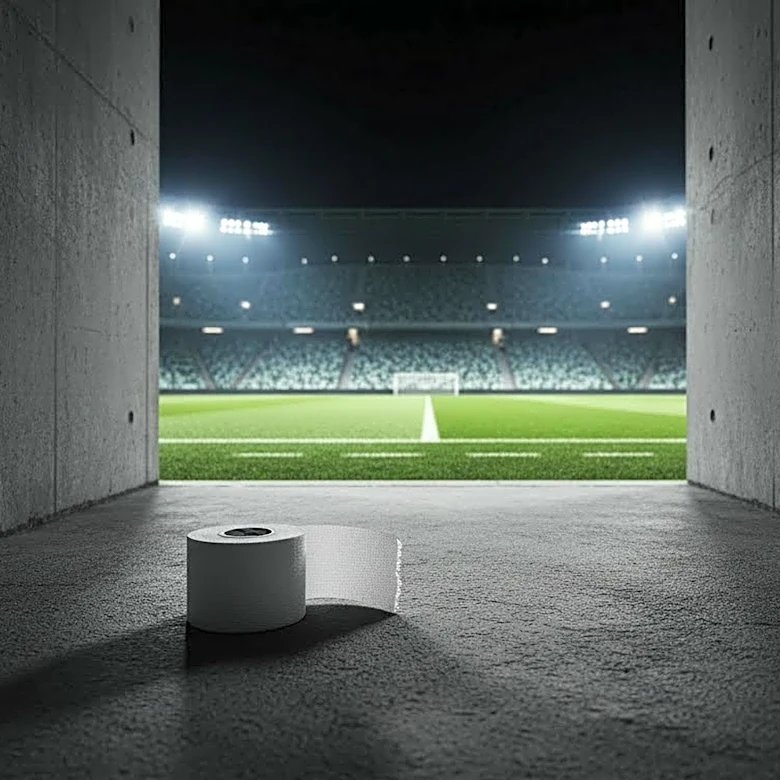
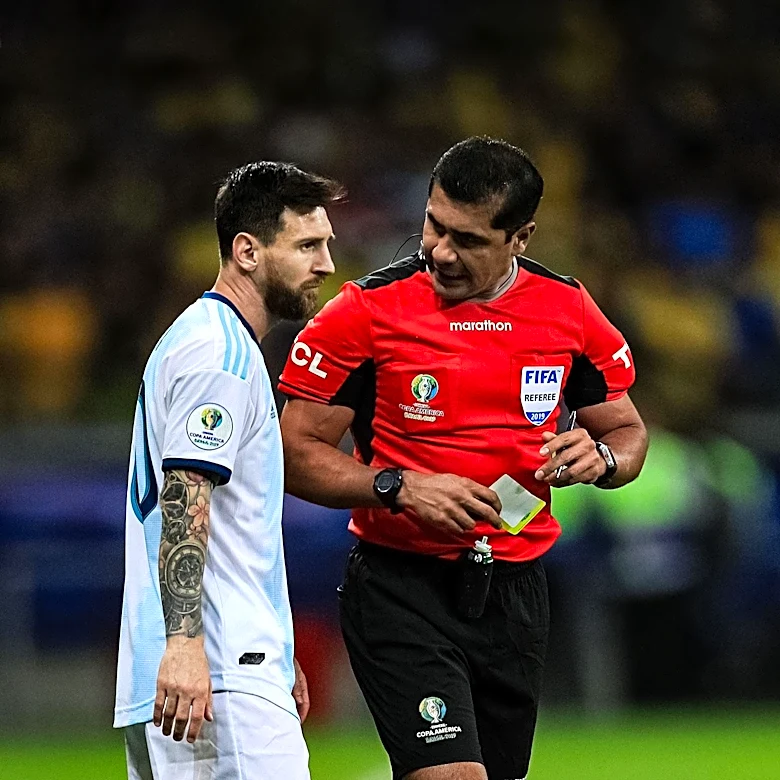
a camera cable. According to FIFA rules, such an incident should have resulted in a stoppage of play and a drop ball. However, FIFA stated there was no evidence of the ball hitting the cable, citing sensor data from the ball. Norway's manager, Ståle Solbakken, and Erling Haaland's father, Alfie Haaland, have publicly expressed their dissatisfaction with the decision, claiming Norway was unfairly treated. The incident has drawn attention to FIFA's use of technology in officiating and its impact on match outcomes.
Why It's Important?
This incident highlights ongoing debates about the role of technology in sports officiating, particularly in high-stakes tournaments like the World Cup. The controversy underscores the challenges of ensuring fair play and the potential for technology to both aid and complicate decision-making processes. For Norway, the decision represents a significant setback, potentially affecting team morale and public perception. For FIFA, it raises questions about the reliability and transparency of their technological systems, which could influence future policy and technological investments. The outcome of this match also impacts the tournament's progression, affecting teams' strategies and preparations.
What's Next?
In the wake of this controversy, FIFA may face increased pressure to review and possibly revise its technological protocols and decision-making processes. Stakeholders, including national teams and fans, may call for greater transparency and accountability in officiating. Norway may seek formal clarification or appeal, although such actions rarely alter match outcomes. The incident could prompt broader discussions within the sports community about the balance between human judgment and technological assistance in officiating. As the World Cup progresses, similar incidents could further influence the tournament's narrative and FIFA's reputation.