






What's Happening?
Minimalism is evolving from a focus on simply reducing possessions to a more profound philosophy centered on intentional living and cherishing existing items. This shift emphasizes reducing clutter, stress, and unnecessary distractions by aligning choices
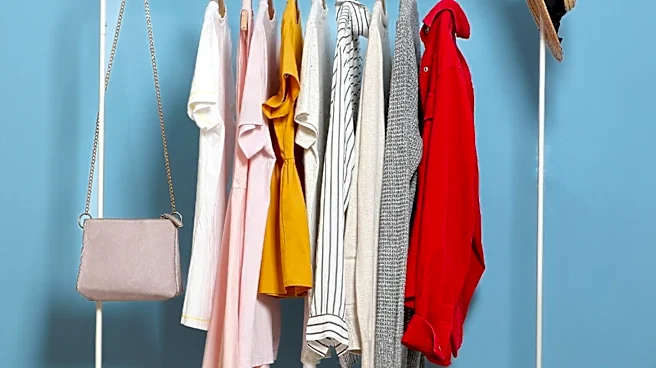
with personal values rather than blindly following trends. The movement encourages thoughtful consumption, such as creating versatile capsule wardrobes from high-quality, environmentally friendly materials, and extending the lifespan of garments through careful repair and reuse. It also extends beyond physical decluttering to simplifying commitments, managing digital clutter, and understanding what 'enough' means for individual needs. Companies are marketing 'minimalist' products, which ironically can lead to increased consumption, highlighting the importance of prioritizing functionality over aesthetics and avoiding unnecessary purchases.
Why It's Important?
This redefinition of minimalism has significant implications for consumer behavior, environmental sustainability, and personal well-being in the U.S. By promoting 'buying wisely' and cherishing possessions, it encourages a move away from fast fashion and disposable consumerism, potentially reducing waste and supporting more sustainable industries. The emphasis on high-quality, durable, and eco-friendly materials can drive demand for ethical production practices and circular economy models. For individuals, adopting this intentional approach can lead to reduced decision fatigue, less stress, and a greater sense of purpose, fostering a more balanced lifestyle. It challenges the commercialization of minimalism, urging consumers to resist marketing tactics that promote new 'minimalist' products and instead focus on their core values and existing resources.
What's Next?
The trend suggests a continued move towards conscious consumerism, where individuals will increasingly scrutinize the environmental and ethical impact of their purchases. This could lead to a greater demand for transparency in supply chains, potentially accelerated by technologies like Digital Product Passports, which provide information on material origins and carbon footprints. Businesses may need to adapt by offering more durable, versatile, and repairable products, and by emphasizing the longevity and sustainability of their offerings rather than just newness. Educational initiatives promoting responsible disposal, donation, and recycling will become more crucial as people declutter thoughtfully. The focus on personal values over trends will likely lead to more diverse interpretations of minimalism, moving away from a one-size-fits-all aesthetic.
Beyond the Headlines
The evolving minimalist philosophy touches upon deeper societal values, challenging the ingrained consumerist culture that often equates happiness with acquisition. It encourages a re-evaluation of what truly adds value to life, shifting focus from material wealth to experiences, relationships, and personal well-being. This movement could foster a greater appreciation for craftsmanship and the stories behind products, promoting a more mindful connection between individuals and their belongings. Ethically, it highlights the responsibility of consumers and producers in mitigating environmental impact, advocating for a circular economy where resources are valued and reused. Culturally, it may lead to a broader acceptance of 'imperfect simplicity,' recognizing that a truly minimalist life is about balance and adaptability rather than rigid adherence to an idealized, often unattainable, aesthetic.