






What's Happening?
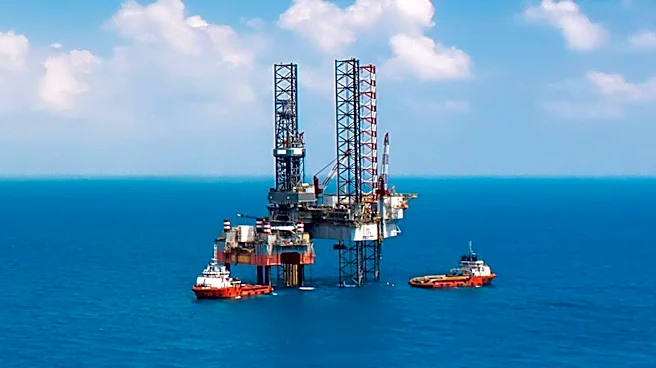
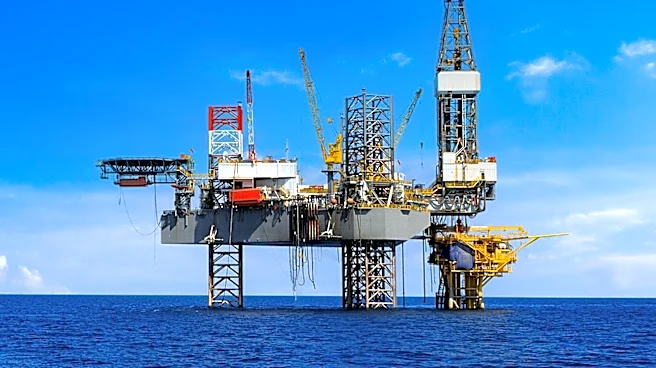
U.S. energy giant Chevron has finalized an agreement with Egypt, committing at least $88 million for oil and gas exploration in the Mediterranean Sea. The deal involves Chevron reprocessing 3D seismic data and drilling two initial exploration wells in the offshore
Lotus concession. This area, located approximately 200 kilometers off Egypt's Mediterranean coast, is characterized by deep waters (2,000 to 2,800 meters) and has not undergone deep exploration drilling previously, making it a prime target for potential fossil fuel discoveries. The contract was signed with the Egyptian Natural Gas Holding Company (EGAS) and witnessed by Minister of Petroleum and Mineral Resources Karim Badawi. This investment is a key component of Egypt's broader strategy to enhance its domestic oil and gas production and expand its national exploration map. Chevron already has a significant presence in Egyptian waters, holding stakes in six offshore Mediterranean exploration blocks, and has reported positive findings from its Mediterranean operations, including the Nargis natural gas discovery and promising signs of crude oil at the Veleox well.
Why It's Important?
This agreement underscores the continued strategic importance of fossil fuels in global energy markets and highlights the role of major U.S. energy companies in international resource development. For Egypt, the $88 million investment from Chevron is crucial for bolstering its energy security and economic growth by increasing domestic oil and gas production. This move could reduce Egypt's reliance on energy imports and generate significant revenue through exports. For Chevron, expanding its exploration activities in a frontier region like the Lotus concession offers the potential for substantial new discoveries, which could enhance its global reserves and market position. The deal also signals renewed confidence in Egypt's petroleum sector, partly attributed to the Egyptian government's efforts to settle outstanding financial payments to foreign energy partners. This could encourage further foreign investment in Egypt's energy sector, fostering economic development and job creation. However, it also represents a continued commitment to fossil fuel extraction at a time when global efforts are increasingly focused on transitioning to renewable energy sources.
What's Next?
Following the agreement, Chevron will proceed with reprocessing 3D seismic data and commence drilling two exploration wells in the Lotus concession. Egypt plans to open additional exploration blocks across various regions, including the Mediterranean, Western Desert, Nile Delta, Gulf of Suez, and Sinai, indicating a sustained push for fossil fuel exploration. The success of Chevron's exploration efforts in the Lotus concession could lead to further investments and development projects in the area. The Egyptian government will likely continue to engage with international energy companies to attract more capital and expertise for its ambitious exploration agenda. The outcomes of these exploration activities will be closely watched by the global energy industry, as significant discoveries could alter regional energy dynamics and supply chains. The long-term implications will involve balancing increased fossil fuel production with Egypt's broader energy transition goals and international climate commitments.
Beyond the Headlines
This deal highlights a complex interplay between national energy security, economic development, and global climate objectives. While Egypt seeks to leverage its natural resources for economic growth and energy independence, the increased fossil fuel exploration contributes to global carbon emissions, posing challenges to climate change mitigation efforts. The investment by a major U.S. company like Chevron in new fossil fuel frontiers also raises questions about the pace and commitment of the global energy transition. It suggests that despite growing momentum for renewables, oil and gas will remain critical components of the global energy mix for the foreseeable future, particularly for developing nations aiming to meet their energy demands and drive economic progress. The environmental impact of deep-water drilling and potential spills will also remain a significant concern for environmental groups and local communities, adding a layer of scrutiny to these projects.