



What's Happening?
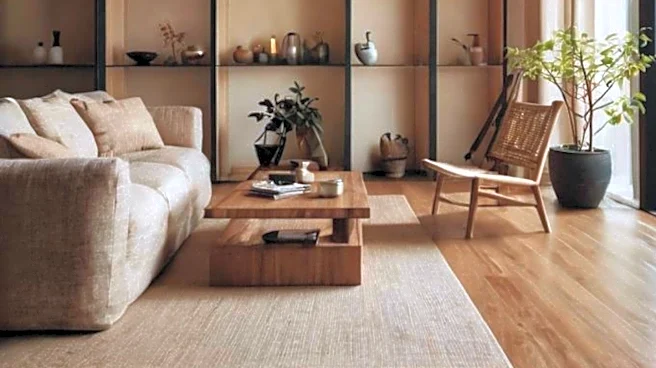
Traditional Feng Shui principles, particularly the 'command position,' offer guidance for optimal sofa placement in living rooms, advocating for the sofa to be against a solid wall with a clear view of the main entrance, without being directly aligned
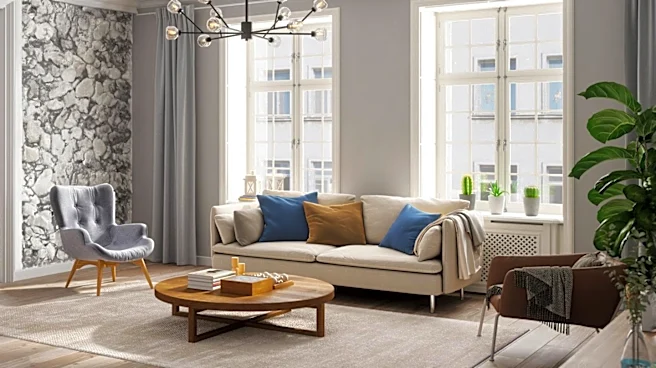
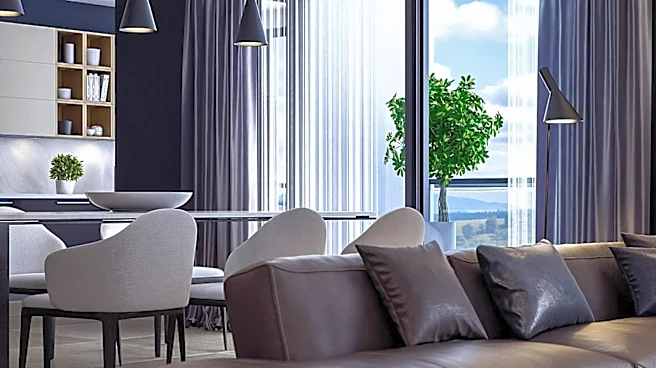
with the doorway. This arrangement is believed to create a sense of support and awareness. However, modern open-plan and compact living rooms often necessitate more flexible approaches, where a sofa might be placed away from a wall, share space with a dining area, or be positioned near a window. In such cases, practical considerations like comfortable circulation, natural light, and access to doors and windows become paramount. A sofa can effectively define a living area within an open-plan space, provided the overall layout is thoughtfully planned to ensure visual coherence and functionality.
Why It's Important?
The application of Feng Shui principles to sofa placement in U.S. homes highlights a growing interest in holistic design and well-being within interior spaces. While not universally adopted, these guidelines influence design decisions for a segment of the population seeking to create harmonious and energetically balanced environments. For the interior design industry, understanding these principles allows designers to cater to clients who prioritize such considerations, offering tailored solutions that blend traditional wisdom with modern living requirements. The discussion around sofa placement, whether guided by Feng Shui or practical design, underscores the importance of furniture arrangement in defining spatial flow, comfort, and the overall ambiance of a home, impacting homeowner satisfaction and the functionality of living areas.
What's Next?
As interest in holistic living and mindful design continues to grow, the integration of principles like Feng Shui into mainstream interior design practices is likely to expand. Expect to see more design professionals offering services that incorporate these concepts, adapting them to contemporary architectural styles and homeowner preferences. There may also be an increase in furniture designs that are inherently versatile, allowing for optimal placement in various room configurations, including open-plan layouts. Educational resources and media content on home organization and design will likely feature more discussions on how to achieve balance and flow, drawing from both traditional practices and modern design theories, to help homeowners create more intentional and comfortable living spaces.
Beyond the Headlines
The discussion of Feng Shui in sofa placement extends beyond mere aesthetics, touching upon psychological and cultural dimensions of home design. The concept of a 'command position' speaks to a fundamental human need for security and control within one's environment, influencing feelings of comfort and relaxation. In an increasingly fast-paced world, the home serves as a sanctuary, and design choices that promote a sense of calm and stability become more significant. The adaptation of ancient principles like Feng Shui to modern open-plan living also reflects a cultural blending, where traditional wisdom is reinterpreted to suit contemporary lifestyles. This ongoing dialogue between tradition and modernity in home design shapes how individuals perceive and interact with their living spaces, impacting their overall well-being and daily experiences.