




What's Happening?
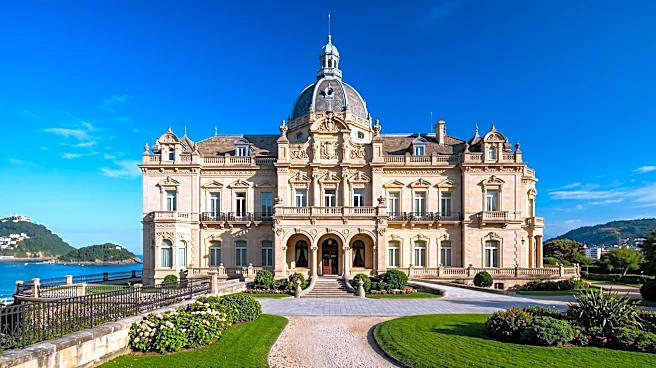
The historic Palacio Bellas Artes building in San Sebastián, Spain, originally opened in 1914 as one of the country's first cinemas, is set to reopen in 2026 as the Hotel Palacio Bellas Artes San Sebastián, part of Hilton's Curio Collection. The building,
which closed its doors in 1982, has undergone a meticulous restoration led by architect Ignacio Quemada, preserving its Belle Époque elegance and iconic dome. Spanish designer Isabel López Vilalta + Asociados reinterpreted the interiors, maintaining respect for the cinema's original layout. The hotel will feature 81 rooms and suites, each incorporating a unique artwork by Basque artist Lander Andonegi, drawing on the building's cinematic history. Additionally, the hotel will house 'Lotu,' a new restaurant led by internationally acclaimed chef Andoni Luis Aduriz of the two-Michelin-starred Mugaritz, offering a contemporary take on classic cuisine. The hotel aims to provide a unique cultural and gastronomic experience in the heart of San Sebastián.
Why It's Important?
The reopening of Hotel Palacio Bellas Artes signifies a significant cultural and economic revitalization for San Sebastián, a city renowned for its culinary scene and Belle Époque architecture. The transformation of a long-dormant landmark into a luxury hotel under the Hilton Curio Collection brand is expected to attract high-end tourism, boosting the local economy through increased visitor spending on accommodations, dining, and local attractions. The involvement of a celebrated chef like Andoni Luis Aduriz further elevates the city's gastronomic profile, potentially drawing food enthusiasts globally. This development also highlights a trend in urban renewal, where historic buildings are repurposed to meet modern demands while preserving their heritage. For the hospitality industry, it showcases the value of unique, historically rich properties in a competitive market, offering a distinct experience that blends history, art, and luxury. The project also provides employment opportunities in the hospitality and culinary sectors, contributing to regional economic stability.
What's Next?
The Hotel Palacio Bellas Artes is scheduled to open its doors in 2026, marking its first public access in over four decades. Following its opening, the hotel will become a new landmark in San Sebastián, offering a blend of historical ambiance and modern luxury. The restaurant 'Lotu' by Chef Andoni Luis Aduriz is expected to become a significant culinary destination, adding to San Sebastián's reputation as a gastronomic hub. The hotel will also contribute to the city's cultural calendar, particularly with its cinematic theme resonating with San Sebastián's famous international film festival. Stakeholders, including local government, tourism boards, and businesses, will likely monitor the hotel's impact on tourism figures and local economic growth. The success of this restoration project could also inspire similar initiatives for other historic buildings in the region, further promoting cultural preservation and economic development.
Beyond the Headlines
The revival of Palacio Bellas Artes transcends a mere hotel opening; it represents a profound cultural reclamation and a testament to the enduring power of architectural heritage. By transforming a silent cinema into a vibrant hotel, the project breathes new life into a building that once served as a community gathering point and a symbol of cultural progress. This initiative highlights the ethical considerations of urban development, balancing modernization with the preservation of historical identity. The integration of art by Lander Andonegi and the culinary vision of Andoni Luis Aduriz elevate the hotel beyond a commercial venture, positioning it as a cultural institution. This approach could influence future urban planning strategies, encouraging developers to consider the broader cultural and historical impact of their projects. The hotel's narrative, rooted in film and emotion, offers a unique model for experiential tourism, where guests are invited to engage with the history and artistry of their surroundings, fostering a deeper connection to the destination.