








What's Happening?
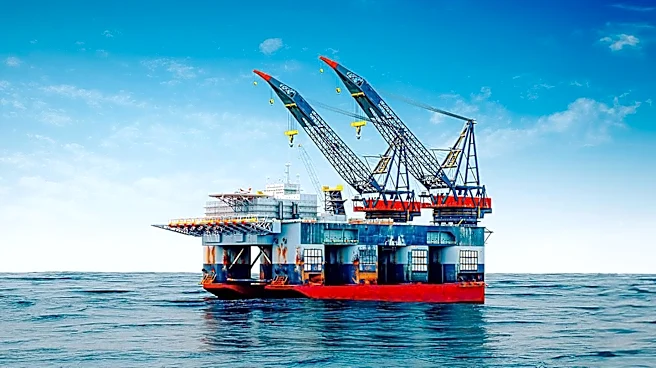
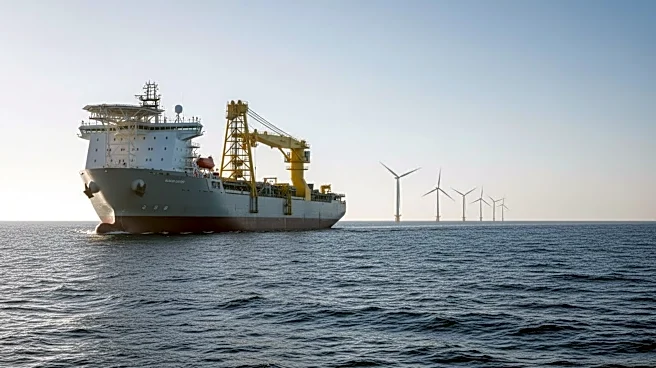
Maritime services company Boskalis has successfully repurposed a former mining ship into the largest subsea rock installation vessel, named Windpiper. Originally built in 2018 as the Mac Goliath for offshore and deep-sea mining, the ship was left incomplete
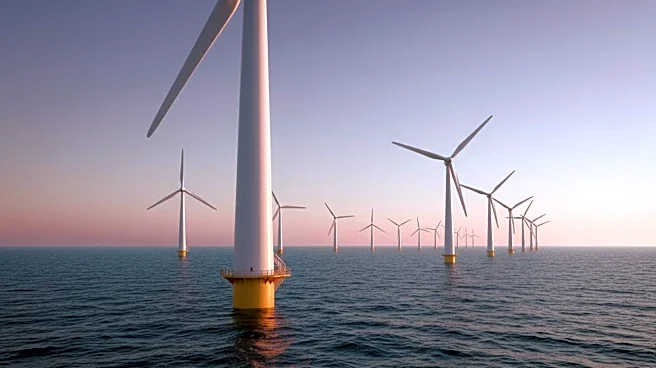
due to financial difficulties faced by its original owners. Boskalis acquired the vessel in 2025 with the aim of supporting the offshore industry, particularly targeting offshore wind farms. The Windpiper, now measuring 227 meters and nearly 69,000 dwt, is equipped with advanced features including seven thrusters, DP2 positioning capabilities, and accommodations for up to 100 people. The redesign includes two holds with a total capacity of 45,500 tons and a moonpool for fall pipe installation. The vessel's commissioning was celebrated in Rotterdam, where it was also opened for public visits.
Why It's Important?
The conversion of the Windpiper represents a significant advancement in maritime engineering and sustainability. By repurposing an existing vessel, Boskalis not only extends the lifecycle of the ship but also enhances its operational capabilities for the growing offshore wind farm sector. This move aligns with global efforts to transition towards renewable energy sources, reducing reliance on fossil fuels. The Windpiper's large capacity and ability to travel long distances between rock loading and project sites offer cost and time efficiencies, potentially lowering the overall expenses of offshore wind farm installations. This development could set a precedent for similar conversions in the maritime industry, promoting innovative solutions to meet the demands of renewable energy projects.
What's Next?
As the Windpiper begins operations, it is expected to play a crucial role in the installation of offshore wind farms, contributing to the expansion of renewable energy infrastructure. Boskalis may continue to explore similar conversions of existing vessels to support various sectors within the maritime industry. The success of the Windpiper could encourage other companies to invest in repurposing ships, fostering a trend towards sustainable practices in maritime operations. Stakeholders in the renewable energy sector will likely monitor the vessel's performance closely, as its efficiency and cost-effectiveness could influence future project planning and execution.