


What's Happening?
Individuals living in small spaces, such as studio apartments, are increasingly seeking innovative solutions to maximize storage and functionality. The core development revolves around adopting specific design strategies and furniture choices to make
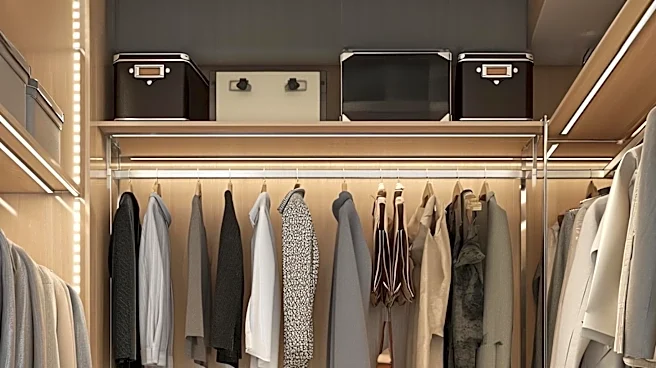
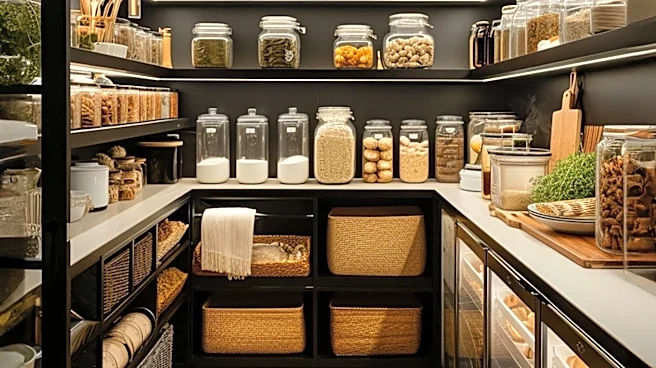
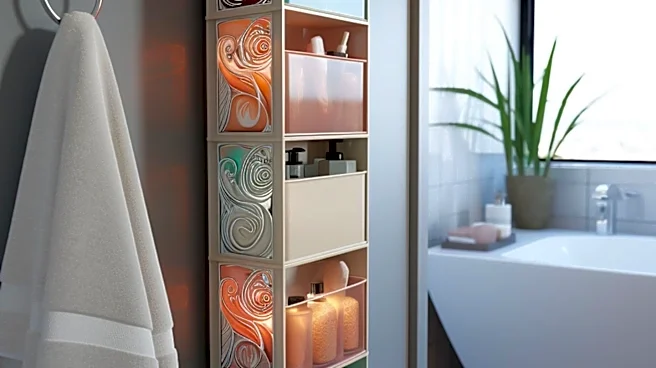
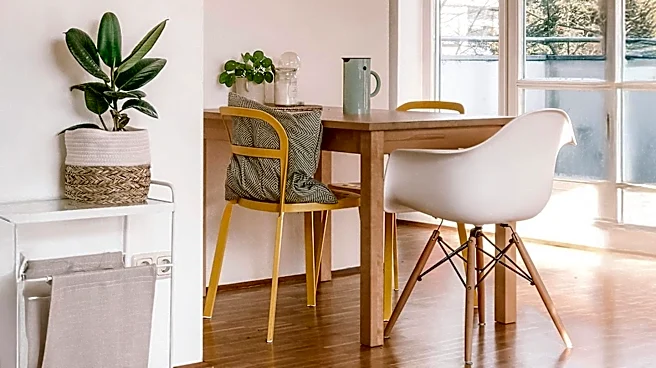
compact areas feel more spacious and organized. Key recommendations include utilizing multifunctional furniture like ottomans with storage or coffee tables with shelves, which serve dual purposes. Wall-mounted shelves are highlighted as an effective way to leverage vertical space for books and decor, preventing clutter on floors. In kitchens, drawer dividers and spice racks are suggested for efficient organization. Bedrooms can benefit from under-bed storage or rolling carts, while bathrooms and mudrooms can utilize wall shelving or over-toilet storage units. For specialized areas like sewing rooms, vertical cabinets and thematic organization of accessories in boxes are recommended. Closets can be optimized with adjustable shelving, maximizing vertical storage, and rotating seasonal items to keep them tidy and accessible. The overarching theme is to create a functional yet stylish living environment despite limited square footage.
Why It's Important?
The trend towards maximizing small spaces is significant due to evolving urban living conditions, where smaller, more affordable housing units are becoming prevalent. This shift impacts various U.S. industries, including furniture manufacturing, interior design, and home goods retail, as demand for space-saving and multifunctional products increases. Consumers stand to gain from these innovations by achieving more organized and comfortable living environments, potentially reducing stress associated with clutter and cramped spaces. The emphasis on vertical storage and adaptable furniture also promotes a more sustainable approach to living, encouraging less consumption and more efficient use of existing resources. For real estate developers, understanding these needs can influence future housing designs, incorporating built-in storage solutions and flexible layouts. The broader societal impact includes a re-evaluation of living standards, where quality of space is prioritized over sheer size, fostering a minimalist yet functional lifestyle.
What's Next?
Looking ahead, the market for small-space solutions is likely to see continued innovation and expansion. We can anticipate further development in smart furniture that integrates technology, such as beds that fold into walls with automated systems or modular shelving units that can be reconfigured easily. Retailers will likely expand their offerings of specialized storage solutions, from custom-built closet systems to compact kitchen appliances. Interior designers may increasingly specialize in small-space optimization, offering tailored services to urban dwellers. There could also be a rise in DIY solutions and online communities dedicated to sharing small-space hacks, further democratizing access to these ideas. Manufacturers might focus on sustainable materials for these products, aligning with growing environmental consciousness. Additionally, as remote work continues, the demand for integrated home office solutions within small living areas will drive further product development and design trends.
Beyond the Headlines
Beyond the immediate practical benefits, the focus on small-space living reflects deeper cultural and economic shifts in the U.S. It challenges traditional notions of the 'American dream' home, which often emphasized large, sprawling properties. This movement signifies a growing acceptance, and even embrace, of more compact, efficient living, driven by factors such as urbanization, rising housing costs, and a desire for less material possessions. Ethically, it promotes a more mindful consumption pattern, encouraging individuals to invest in quality, multifunctional items rather than accumulating excess. Legally, zoning laws and building codes might evolve to accommodate more innovative small-scale housing solutions, such as micro-apartments or co-living spaces. Culturally, it fosters creativity and resourcefulness, as individuals find unique ways to personalize and optimize their limited environments. This shift could also lead to a greater appreciation for public spaces and community amenities, as private living spaces become more focused on essential functions.