




What's Happening?
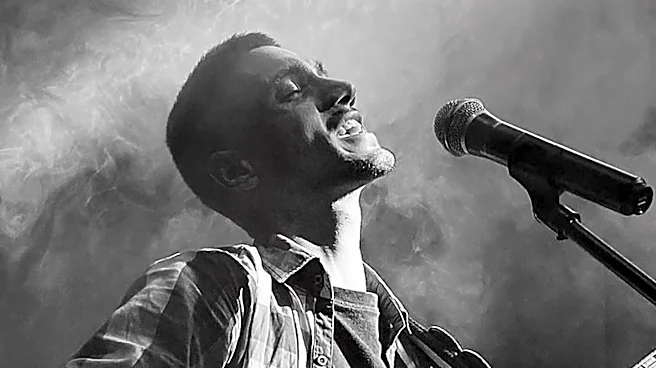
A public dispute has erupted between musicians Jack White and Charley Crockett. The conflict began when Crockett dismissed Twin Temple, a self-described Satanic doo-wop duo, from opening his 'Age of the Ram' tour in July, citing their 'Satanic imagery.'
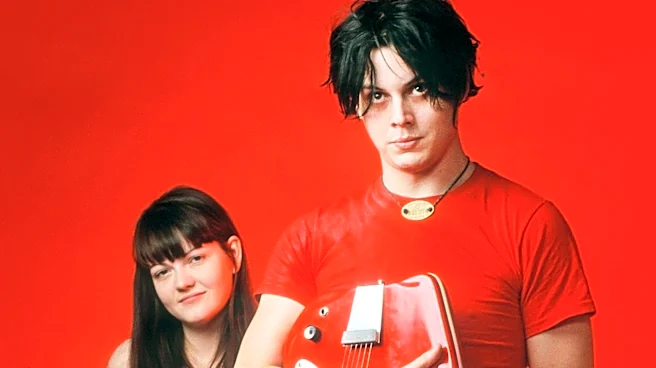
Jack White subsequently invited Twin Temple to open his Los Angeles concert, leading to their late-night TV debut. Crockett later took to social media, in a now-deleted post, to accuse Twin Temple of fabricating the reason for their dismissal and criticized White for using the situation to 'sell tickets.' Crockett also questioned White's past political outspokenness, suggesting he avoided political issues when he was in The White Stripes. White responded by posting lyrics from the 1984 rap song 'Rappin Duke' by Shawn Brown, seemingly mocking Crockett's accusations and challenging his claims.
Why It's Important?
This public dispute is significant as it highlights the intersection of artistic expression, personal beliefs, and public image within the music industry. The initial dismissal of Twin Temple by Crockett over 'Satanic imagery' raises questions about artistic freedom and the boundaries of acceptable performance in different musical contexts. Jack White's intervention, offering Twin Temple a platform, underscores the solidarity among artists and the potential for established figures to support emerging acts facing controversy. The subsequent exchange between White and Crockett, particularly Crockett's critique of White's political history, brings to light the scrutiny artists face regarding their past and present social and political stances. This public 'beef' can generate significant media attention, influencing public perception of both artists and potentially affecting their fan bases and future collaborations.
What's Next?
The public exchange between Jack White and Charley Crockett is likely to continue to draw media attention and fan commentary. Crockett has already issued a follow-up response to White's 'Rappin Duke'-inspired post, calling White 'Mr. Suzy Cream Puff' and 'big hoss,' and further clarifying his critique of White's political statements. This suggests the dispute may escalate further, potentially involving more social media exchanges or even lyrical responses in future music. Both artists are currently on tour, with Crockett supporting 'Age of the Ram' and White promoting 'Frozen Charlotte,' so their live performances might become platforms for further commentary or indirect references to the ongoing conflict. Twin Temple, having gained significant exposure from the controversy, is also set to release a new album, 'Doomed Lovers,' in October.
Beyond the Headlines
Beyond the immediate personal conflict, this dispute touches upon broader themes within the entertainment industry. It exemplifies how social media has become a primary arena for artists to air grievances, defend their reputations, and engage directly with both fans and critics. The debate over 'Satanic imagery' and artistic boundaries reflects ongoing cultural discussions about censorship, religious freedom, and the role of provocative art in society. Crockett's questioning of White's political engagement also highlights the increasing expectation for public figures to take clear stances on social and political issues, and the scrutiny they face when their past actions are perceived as inconsistent with their current image. This incident serves as a microcosm of the complex dynamics between artistic integrity, commercial pressures, and public accountability in the contemporary music landscape.