






What's Happening?
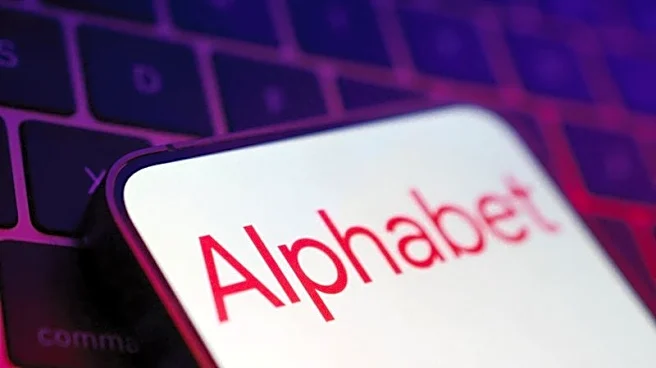
Alphabet Inc. is poised to incur its highest-ever coupon rate, potentially just under 7%, for its debut Australian dollar bond deal. The U.S. tech giant is expected to price a multi-part debt offering, with the 20-year tranche, the longest portion, indicated
at approximately 6.95% yield, according to guidance from ANZ, one of the banks managing the deal. This elevated borrowing cost for Alphabet, which holds S&P Global Ratings' second-highest credit score, reflects the multi-decade high yields observed globally this week. The company aims to raise up to A$5.5 billion ($3.9 billion) through this offering, which has already attracted investor demand exceeding A$20 billion. Corporate debt pricing is typically benchmarked against government debt, meaning that when sovereign borrowing costs rise, companies generally face higher costs as well. Yields on 30-year U.S. Treasuries recently reached their highest point since 2007, contributing to the broader trend of increased borrowing expenses.
Why It's Important?
This development highlights a significant shift in the global financial landscape, where even highly-rated U.S. tech giants like Alphabet are facing substantially higher borrowing costs. The increased cost of debt for Alphabet underscores the impact of rekindled inflation and a surge in fundraising activities by both governments and large technology firms worldwide. This trend is raising concerns about the capacity of investors to absorb the growing volume of debt, thereby pushing up the cost of capital across the board. For U.S. companies, particularly those in the tech sector with ambitious AI development plans, higher borrowing costs could translate into increased operational expenses and potentially slower investment in new projects. The situation also suggests a potential siphoning of investor demand away from government debt, which could exacerbate fiscal concerns for nations already grappling with large deficits. The rise in 30-year U.S. Treasury yields to their highest since 2007 further indicates a tightening credit market that will affect a wide range of U.S. economic activities.
What's Next?
The successful pricing and sale of Alphabet's Australian bond deal will provide further insight into investor appetite and the prevailing cost of capital for major U.S. tech companies in international markets. Should these high borrowing costs persist, other U.S. corporations planning to tap global debt markets may need to adjust their financial strategies and project timelines. The ongoing demand for funds to finance AI ambitions among Big Tech firms, coupled with government fundraising, is likely to keep pressure on bond yields. Investors will be closely watching for any signs of moderation in inflation or shifts in central bank policies that could influence interest rates. The broader implications for the U.S. economy include potential adjustments in corporate investment, particularly in capital-intensive sectors, and continued scrutiny of fiscal policies as governments compete for investor capital in a more expensive debt environment.
Beyond the Headlines
The elevated borrowing costs for Alphabet extend beyond mere financial metrics, signaling a potential re-evaluation of risk and return in the global capital markets. The substantial demand for Alphabet's bond, despite the high yield, indicates that investors are still seeking stable, high-quality assets, but at a premium reflecting current economic uncertainties. This scenario could lead to a broader recalibration of investment strategies, with a greater emphasis on companies with strong credit ratings and robust cash flows that can absorb higher debt servicing costs. Furthermore, the competition for capital between governments and large tech firms could have long-term implications for public and private sector investment priorities. The need for significant funding for AI development, in particular, suggests that the tech sector's demand for capital will remain high, potentially influencing interest rate trajectories and the overall cost of innovation for U.S. companies.