




What's Happening?
Building muscle effectively at home is achievable through consistent resistance training, thoughtful layout planning, and durable floor protection. The core principle for muscle growth, whether at home or in a commercial gym, is progressive overload—gradually
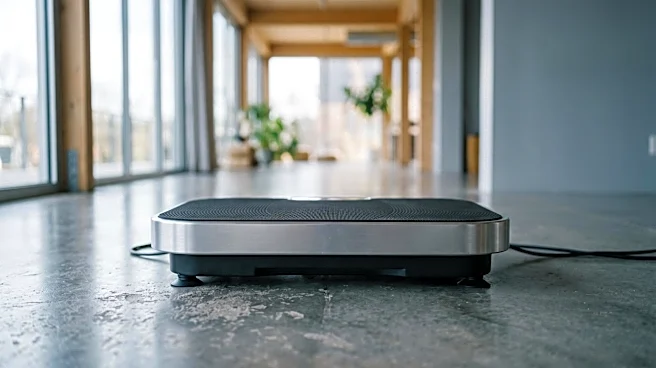
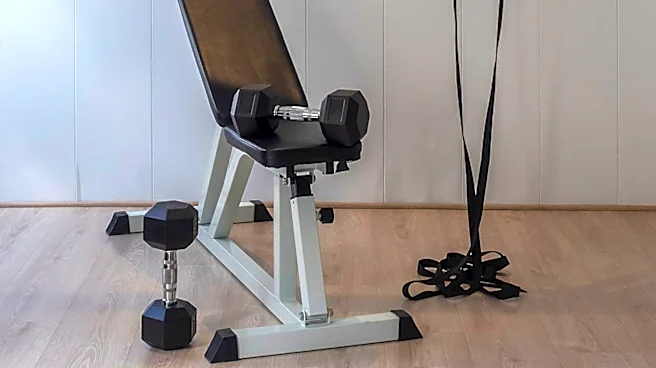
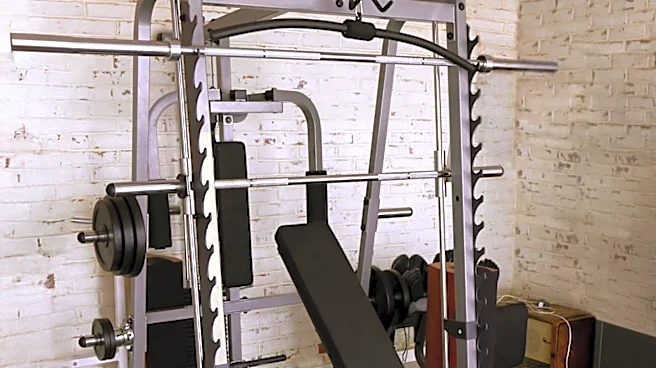
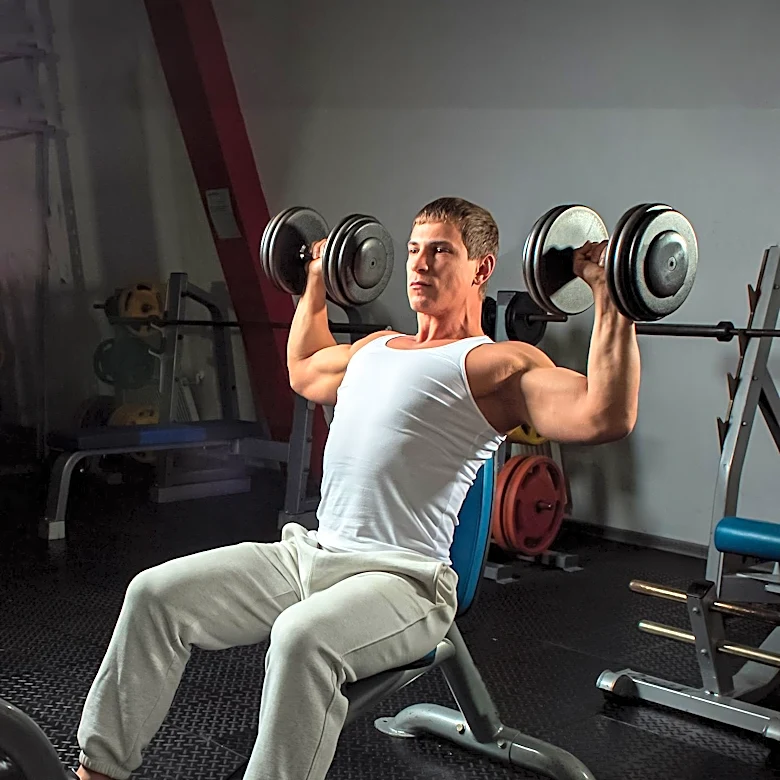
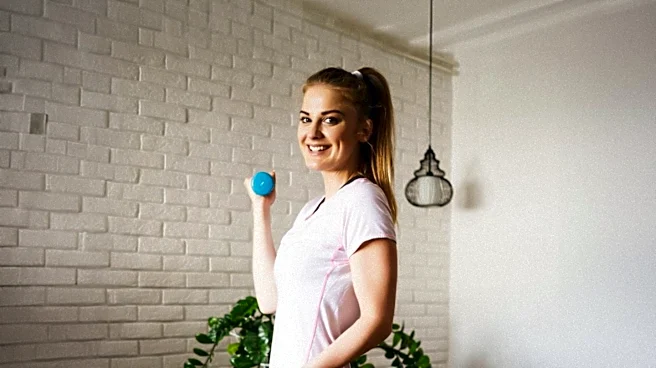
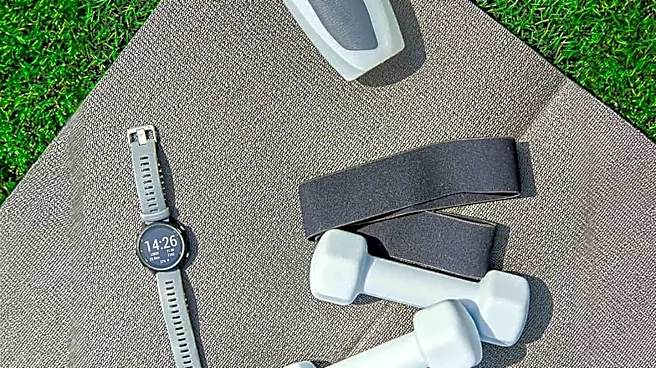
increasing demands on muscle fibers. This can involve adding repetitions, lifting heavier loads, or slowing movement speed. Key exercises for home muscle training include multi-joint compound movements like goblet squats for the lower body, dumbbell floor presses for the upper body, Romanian deadlifts for the posterior chain, and dumbbell rows or doorway pull-ups for the upper body pulling. To protect home floors, installing a dense rubber mat or large exercise mat is crucial to absorb shock and prevent damage from weights. Proper equipment placement and safe weight storage are also essential to maintain an organized and hazard-free workout area.
Why It's Important?
The ability to effectively build muscle at home has significant implications for public health and the fitness industry. It empowers individuals to maintain physical fitness regardless of access to commercial gyms, promoting a more active lifestyle and potentially reducing health-related issues. For the fitness market, this trend highlights the growing demand for home-friendly equipment and digital training resources, shifting focus from large gym memberships to personalized home setups. The emphasis on progressive overload and proper form in home training is vital for preventing injuries and ensuring sustainable fitness routines. This approach can lead to a more resilient and healthier population, as consistent physical activity is linked to improved mental health, reduced chronic disease risk, and enhanced overall well-being. It also offers economic benefits by reducing the financial barrier to entry for strength training, making it accessible to a broader demographic.
What's Next?
The home fitness market is expected to continue its expansion, with innovations in smart home gym equipment and AI-powered personal training apps. There will likely be an increased focus on creating versatile and space-saving fitness solutions that cater to urban living. Content creators may develop more specialized home workout programs targeting specific muscle groups or fitness goals, further personalizing the training experience. The demand for high-quality, durable home gym flooring and storage solutions will also grow as more people invest in dedicated home workout spaces. This trend could lead to collaborations between fitness experts, technology companies, and home goods manufacturers to create integrated home fitness ecosystems, making it even easier for individuals to achieve their muscle-building goals from the comfort of their homes.
Beyond the Headlines
The shift towards home muscle training reflects a deeper societal trend of prioritizing personal convenience and autonomy in health and wellness. It challenges traditional notions that significant muscle growth requires specialized gym equipment, demonstrating the effectiveness of bodyweight and free-weight exercises when applied with discipline. This movement also raises questions about the psychological benefits of communal gym environments versus the solitude of home workouts, and how individuals balance these aspects for holistic well-being. Ethically, the accessibility of home training can help address health disparities by providing fitness options to those who may face barriers to gym access, such as financial constraints, geographical limitations, or social anxieties. The focus on protecting home environments during workouts also highlights a growing awareness of integrating fitness into daily life without compromising living spaces, fostering a more mindful approach to physical activity.