

What's Happening?
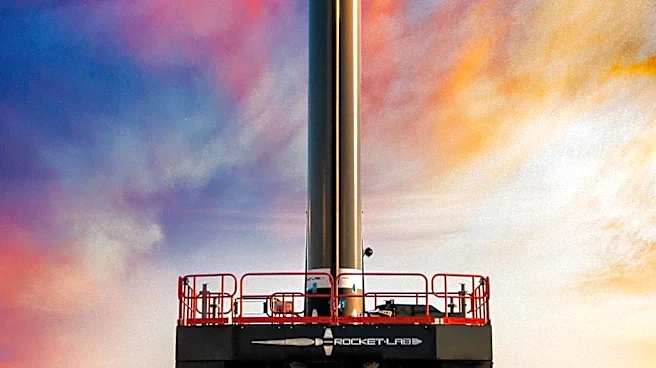
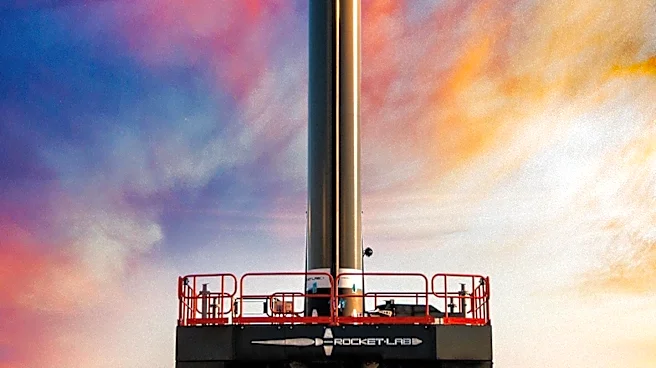
Rocket Lab's CFO, Adam Spice, predicts a substantial increase in pricing for its Electron rocket launches within the next six to nine months. This forecast comes as satellite operators are reportedly facing difficulties booking rideshare slots on SpaceX's
Falcon 9 beyond late 2028 or early 2029. SpaceX's Transporter and Bandwagon missions, which allow satellite operators to share a Falcon 9, have seen their availability tighten, leading customers to seek alternative launch providers. Rocket Lab CEO Peter Beck noted that the company's factory is designed to produce 52 rockets annually, and with a potential expansion costing tens of millions of dollars, Rocket Lab could reach a production capacity of 100 Electrons per year within two years. This increased capacity, coupled with rising demand due to SpaceX's limited availability, is expected to drive up Electron launch prices. Rocket Lab has already seen a record 54 launches booked in the third quarter across its Electron, HASTE, and Neutron rockets, with new orders reflecting higher prices.
Why It's Important?
The anticipated price increase for Rocket Lab's Electron launches signifies a significant shift in the commercial space launch market, particularly for small satellite operators. As SpaceX's rideshare options become less accessible, Rocket Lab is positioned to capture a larger share of this market. This development could lead to increased revenue and profitability for Rocket Lab, strengthening its competitive standing against larger players. For satellite operators, the change means potentially higher costs for launching their payloads, which could impact their business models and investment decisions. The increased demand for dedicated launches, offering greater control over launch dates and destinations compared to rideshare options, highlights a growing preference for flexibility and reliability in the satellite industry. This trend could also spur further investment in Rocket Lab's production capabilities and potentially other small-to-medium launch providers, fostering a more diverse and competitive launch landscape.
What's Next?
Rocket Lab expects to see the 'strong uplift' in Electron pricing manifest within the next six to nine months, as satellite operators begin planning missions for 2029 and beyond. The company is considering an expansion of its factory to increase production capacity to 100 Electrons per year, a process that could take two years and require significant investment in both infrastructure and skilled technicians. The challenge lies in finding enough skilled labor to assemble the rockets, as 3D printers can handle manufacturing but human expertise is crucial for assembly. The company's recent record of 54 booked launches in the third quarter, including a major deal with Japan's Synspective for 20 dedicated Electron launches through 2031, indicates a strong pipeline of future missions. These developments suggest a period of growth and strategic adjustments for Rocket Lab as it capitalizes on the evolving demand in the space launch sector.
Beyond the Headlines
This shift in the launch market underscores a broader trend towards diversification in space access. While SpaceX has dominated the rideshare market, the tightening of its slots highlights the inherent risks of relying on a single provider. The increased demand for Rocket Lab's Electron, which offers dedicated launch capabilities, points to a growing need for tailored and flexible launch solutions for various satellite applications. This could lead to a more resilient space economy, where multiple launch providers ensure continuous access to orbit, even if one provider faces capacity constraints. Furthermore, the emphasis on skilled technicians for rocket assembly, despite advancements in 3D printing, highlights the enduring importance of human capital in high-tech manufacturing. This could influence educational and workforce development strategies in the aerospace sector, focusing on specialized training to meet the demands of an expanding space industry.