





What's Happening?
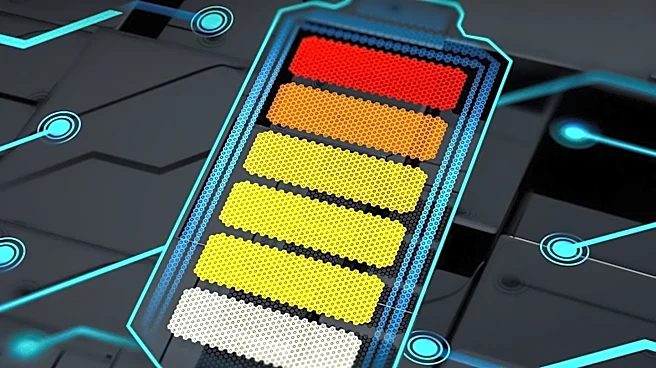
Researchers at the Fraunhofer Institute for Solar Energy Systems ISE, in collaboration with industry partners, have successfully modified the structure of battery electrodes to increase energy density by 10% to 15% while maintaining the same weight. This
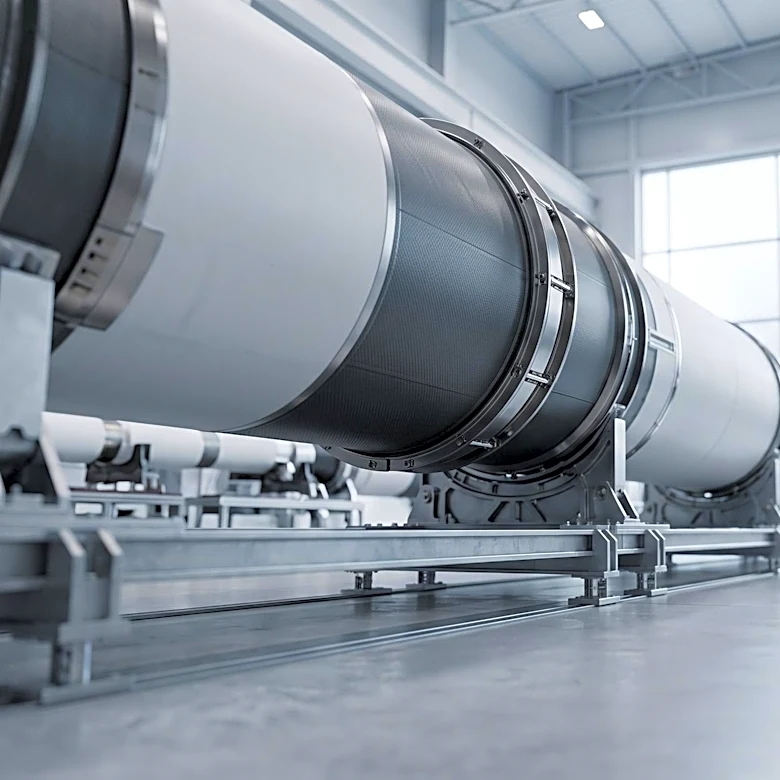
advancement was achieved by significantly thickening the electrode coating, from a standard 100-200 micrometers to up to 800 micrometers. This increased thickness reduces the number of current collectors required within the battery cell, creating more space for active material. The new electrode architecture has been validated experimentally in small battery cells for zinc-ion, sodium-ion, and lithium-ion batteries. For lithium-ion batteries, prototypes of pouch battery cells incorporating this design were manufactured on a semi-automated production line. The technology is designed to be PFAS-free and manufactured without toxic solvents, with future mass production in mind, aiming for lower process complexity and reduced capital and operating costs compared to current wet-coating systems.
Why It's Important?
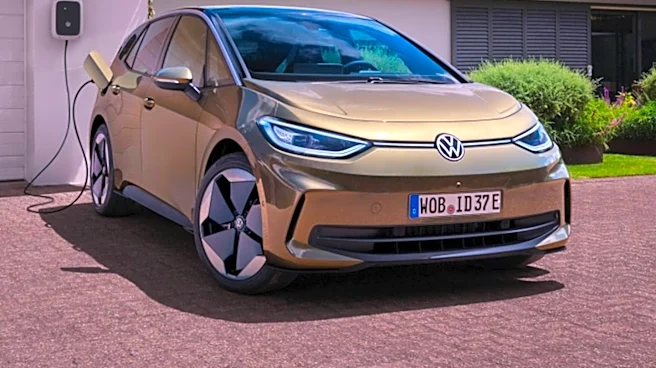
This development holds significant importance for the U.S. energy sector and electric vehicle market. Increased energy density in batteries means electric vehicles could achieve longer ranges or be lighter, addressing key consumer concerns and potentially accelerating EV adoption. For stationary energy storage, which is crucial for integrating fluctuating renewable energy sources like solar and wind, more efficient batteries can enhance grid stability and reliability. The reduction in manufacturing complexity and costs could make battery production more accessible, potentially fostering domestic battery manufacturing capabilities within the U.S. This could lessen reliance on foreign supply chains, bolster economic security, and create jobs in the advanced manufacturing sector. Furthermore, the use of PFAS-free and non-toxic manufacturing processes aligns with growing environmental regulations and consumer demand for sustainable technologies, offering a cleaner alternative to existing battery production methods.
What's Next?
The Fraunhofer ISE team plans to continue scaling up and validating this new electrode and cell architecture. The next steps involve further collaboration with industry partners, such as Helmut Hechinger GmbH & Co. KG and acp systems AG, to explore industrialization. This includes developing equipment for manufacturing the electrodes and assessing the technology's cost-effectiveness and performance in larger-scale applications. The goal is to enable small and medium-sized enterprises to establish their own battery cell production facilities, potentially in regions like Baden-Württemberg, Germany, and by extension, other industrial nations including the U.S. The successful industrialization of this technology could lead to its integration into commercial battery products, impacting the design and performance of future electric vehicles and grid-scale energy storage solutions within the next few years.
Beyond the Headlines
Beyond the immediate benefits of increased energy density and reduced manufacturing costs, this innovation could trigger a broader shift in battery production paradigms. The focus on simpler, more cost-effective production methods, coupled with the elimination of toxic materials, could democratize battery manufacturing, allowing more players to enter the market. This decentralization could foster greater innovation and competition, potentially leading to even more rapid advancements in battery technology. Environmentally, the move away from PFAS and toxic solvents sets a new standard for sustainable manufacturing, reducing the ecological footprint of battery production. This could influence regulatory bodies in the U.S. to encourage or mandate similar eco-friendly practices, pushing the entire industry towards greener solutions and contributing to a more sustainable energy future.