



What's Happening?
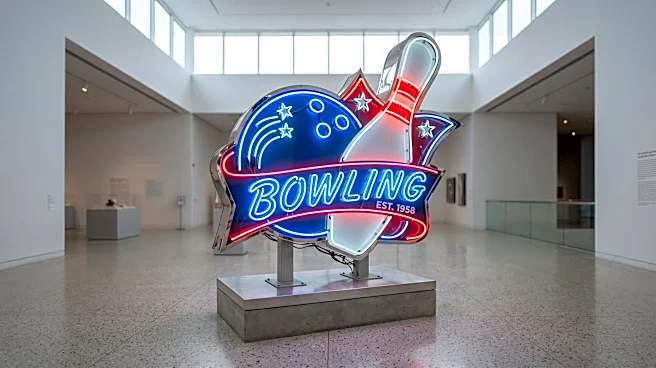
The Museum of Neon Art (MONA) in Glendale has launched a new exhibition titled 'Wonder Lanes,' focusing on the signs and style of mid-century bowling. The exhibition, which opened to hundreds of visitors, showcases massive neon signs, 3-D viewers for
stereo images of Googie bowling centers, and artifacts from significant Southern California bowling alleys. These include Covina Bowl, Holiday Bowl on Crenshaw, Java Lanes in Long Beach, and Arena Bowl in South Gate. The display features original neon and backlit plastic signs, carved wooden tikis, terrazzo flooring chunks, and memorabilia like menus and matchbooks. Neon Jungle, an Austin-based sign shop, contributed a neon sculpture of a bowling ball and pin, while Signmakers in South L.A. restored rusted letters from Arena Bowl with white neon. The exhibition is curated by Kathy Kikkert, Steve Spiegel, and Chris Nichols, and is sponsored by Lucky Strike Entertainment, Raging Waters, Boomers, and Castle Park amusement parks.
Why It's Important?
This exhibition is important for preserving and celebrating a unique aspect of American cultural history, particularly the mid-century design and social phenomenon of bowling. The 'California style' bowling centers, which emerged in the 1950s, transformed bowling from a saloon sport into a family-friendly entertainment complex, influencing architecture and leisure activities nationwide. By showcasing original neon signs and artifacts, MONA highlights the artistic and historical significance of these establishments, which were once vibrant community hubs. The exhibition not only educates the public about this era but also underscores the importance of neon art as a distinct form of American signage and design. It draws attention to the efforts of preservationists and artists who restore and maintain these iconic pieces of Americana, ensuring that the visual legacy of this period is not lost.
What's Next?
The 'Wonder Lanes' exhibition will run through the summer, with MONA planning special events tied to the bowling theme over the coming months. These events could include lectures, workshops, or themed nights that further explore the cultural impact of mid-century bowling. The museum's location in Glendale, home to two of L.A.'s oldest bowling alleys, Back Alley Bowling (formerly Jewel City Bowl) and Montrose Bowl, suggests potential for synergistic activities or partnerships that encourage visitors to experience both the historical context at MONA and the contemporary bowling scene. The exhibition's success may also inspire similar efforts to preserve and display other forms of historical commercial signage and design, contributing to a broader appreciation of American visual culture.
Beyond the Headlines
The 'Wonder Lanes' exhibition delves into the deeper implications of post-war American suburbanization and the rise of consumer culture. The elaborate 'California style' bowling centers were not just places to bowl; they were architectural marvels designed to attract families and provide a comprehensive entertainment experience, often including restaurants, lounges, and beauty parlors. This phenomenon reflects a period of economic prosperity and changing social norms, where leisure activities became more formalized and commercialized. The use of neon signage, a hallmark of mid-century American roadside architecture, symbolizes the optimism and technological advancements of the era. The exhibition implicitly raises questions about urban development, the evolution of public spaces, and the challenges of preserving architectural and artistic heritage in the face of modernization and demolition.