






What's Happening?
The U.S. Producer Price Index (PPI) for final demand increased by 0.3% in October, a decrease from the 1.4% jump observed in September. Annually, producer prices saw a 6.5% rise, up from 6.3% in September, marking the largest 12-month increase since November
2022. Excluding volatile components like foods, energy, and trade services, prices for final demand climbed 4.9% from October 2025, a slight reduction from the 5.0% advance in September. Prices for processed goods for intermediate demand rose 0.4% in October, with organic chemicals contributing significantly to this gain. Conversely, prices for unprocessed goods for intermediate demand fell 3.1%, primarily due to a 7.7% decline in energy materials, including a 10.3% drop in crude petroleum prices. Services prices increased by 0.2% in October, while goods prices moved up 0.5%. Truck transportation of freight saw a notable 3.9% increase, accounting for over 80% of the rise in final demand services prices. Gasoline prices rose 0.5%, but diesel fuel prices decreased by 7.9%.
Why It's Important?
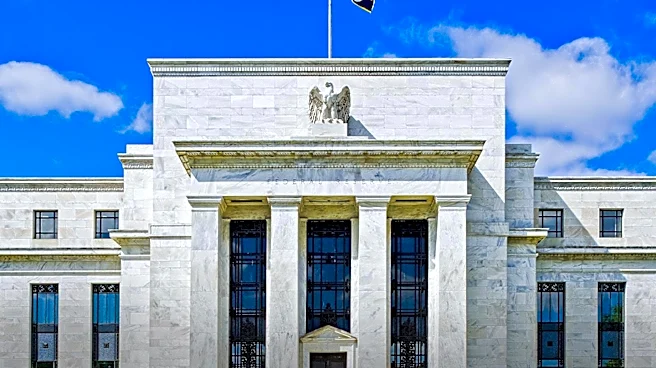
The continued rise in U.S. producer prices, particularly the 6.5% annual increase, indicates persistent inflationary pressures within the economy. This affects businesses by increasing their input costs, which can subsequently be passed on to consumers in the form of higher retail prices. The significant increase in truck transportation of freight prices, despite a drop in diesel fuel costs, highlights underlying structural issues or demand-side pressures in the logistics sector. This can impact supply chains and the cost of goods across various industries. The Federal Reserve's mandate to control inflation means that elevated producer prices could influence future monetary policy decisions, potentially leading to further interest rate hikes. Such actions would aim to cool down the economy but could also increase borrowing costs for businesses and consumers, potentially slowing economic growth. The varying price movements across different sectors, such as the rise in organic chemicals versus the fall in crude petroleum, suggest a complex and uneven inflationary environment.
What's Next?
Given the persistent inflationary pressures indicated by the Producer Price Index, the Federal Reserve will likely continue to monitor these trends closely. While the monthly increase in October was lower than September's, the annual rate remains elevated and above the Federal Reserve's target. Markets are already anticipating a potential 0.25% interest rate hike by the Federal Open Market Committee in December, as risks to its inflation mandate persist. Businesses may continue to face challenges in managing rising input costs, potentially leading to further price adjustments for consumers. The dynamics of freight costs, especially the disconnect between rising truck transportation prices and falling diesel fuel, will be a key area to watch, as it could signal broader inefficiencies or demand-supply imbalances in the logistics sector. Future economic reports, particularly consumer price data and other inflation indicators, will be crucial in shaping the Federal Reserve's next steps and the overall economic outlook.
Beyond the Headlines
The sustained increase in producer prices, even with some monthly moderation, points to a deeper challenge in achieving price stability. The divergence between rising freight costs and falling diesel prices suggests that factors beyond fuel, such as labor shortages, increased regulatory burdens, or strong demand, are contributing to transportation inflation. This could lead to a long-term shift in supply chain strategies, with businesses potentially seeking to localize production or diversify their logistics partners to mitigate cost volatility. Furthermore, the impact of these wholesale price increases on consumer purchasing power could exacerbate existing economic inequalities, as essential goods and services become more expensive. The Federal Reserve's response, while aimed at controlling inflation, carries the risk of triggering a broader economic slowdown, highlighting the delicate balance between managing price stability and fostering economic growth. The ongoing geopolitical tensions, mentioned in the broader context of global producer prices, also underscore the vulnerability of U.S. supply chains to international events, adding another layer of complexity to the inflationary outlook.