



What's Happening?
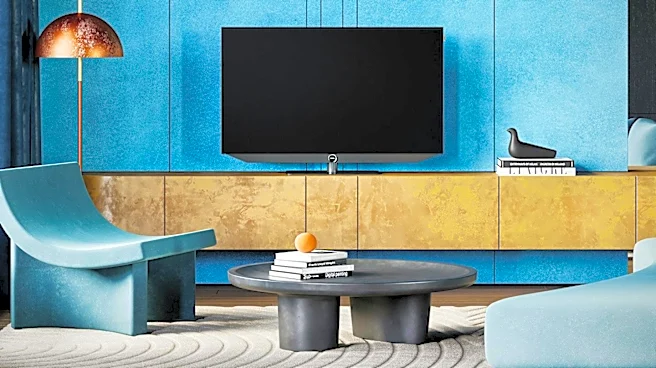
To optimize small living areas, experts recommend strategic approaches focusing on space-saving furniture and efficient organization. Key strategies include utilizing bold wallpaper or murals with minimalist furniture, or introducing visual interest through
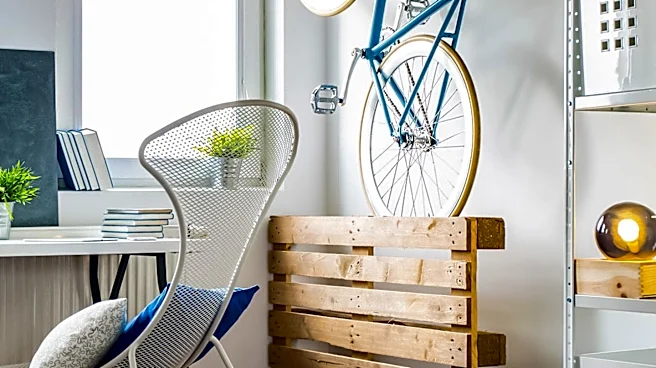
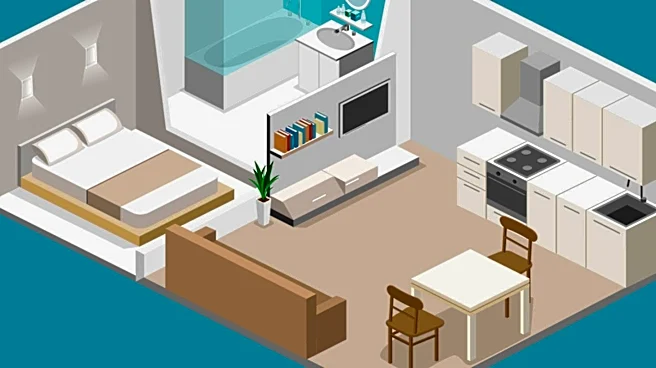
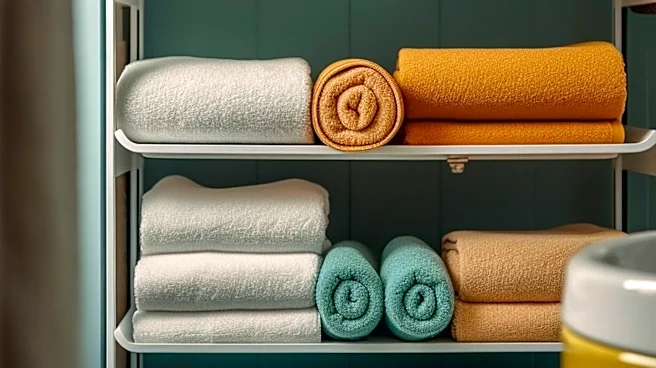
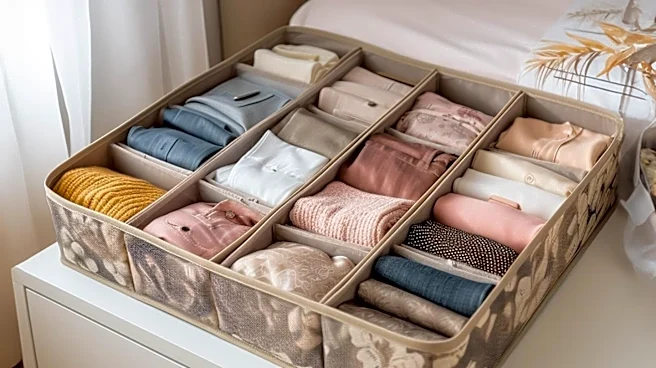
sculptural lighting, distinctive furniture pieces, or layered textiles if wall coverings are more subdued. Smart storage is paramount, with an emphasis on multifunctional items such as beds equipped with built-in drawers, storage ottomans, nesting tables, and compact consoles. Floating shelves and vertical storage solutions are crucial for maximizing wall space and keeping floor areas clear. Vertical patterns can also enhance the perceived height of a room, particularly in spaces with low ceilings or narrow dimensions. For closets, multifunctional furniture like storage benches, cubbies, and tables with integrated compartments are advised. Organizing toys by activity, ensuring everyday favorites are easily accessible, and using baskets for a softer aesthetic are also suggested. Additionally, for travel, vacuum bags and other space-saving hacks can significantly increase suitcase capacity.
Why It's Important?
The efficient utilization of small spaces is increasingly important in urban environments where living areas are often compact and costly. These strategies offer practical solutions for individuals and families seeking to maximize functionality and comfort within limited square footage. By adopting multifunctional furniture and vertical storage, residents can reduce clutter, improve organization, and create a more aesthetically pleasing and livable environment. This trend impacts the furniture and home goods industries, driving demand for innovative, space-saving designs. For consumers, these hacks can lead to significant cost savings by eliminating the need for larger homes or additional storage units. Furthermore, the emphasis on decluttering and organized living can contribute to improved mental well-being and productivity, as a well-ordered environment often correlates with reduced stress. The broader societal impact includes promoting sustainable living by encouraging efficient use of existing spaces rather than constant expansion.
What's Next?
The continued evolution of urban living and the increasing demand for affordable housing are likely to further drive innovation in small space design and storage solutions. Manufacturers are expected to develop more sophisticated multifunctional furniture and modular storage systems that integrate seamlessly into compact environments. We may see an increase in smart home technologies that optimize space, such as automated shelving or hidden compartments. Retailers will likely expand their offerings of space-saving products, making them more accessible and affordable to a wider consumer base. Additionally, interior design trends will continue to emphasize minimalist aesthetics and efficient layouts, influencing how new residential units are designed and marketed. Educational resources and online communities dedicated to small space living are also anticipated to grow, providing more tips, tricks, and product recommendations to help individuals make the most of their compact homes.
Beyond the Headlines
Beyond the immediate practical benefits, the focus on small space hacks reflects a broader cultural shift towards mindful consumption and sustainable living. In an era of increasing environmental awareness, optimizing existing spaces rather than constantly seeking larger ones aligns with principles of reduced resource consumption and a smaller carbon footprint. This movement also challenges traditional notions of luxury, suggesting that quality of life is not solely dependent on square footage but rather on thoughtful design and efficient organization. The psychological impact of living in a well-organized, albeit small, space can be profound, fostering a sense of control and tranquility. Furthermore, the ingenuity required to adapt small spaces often encourages creativity and problem-solving skills, leading to personalized and unique living environments. This trend also highlights the growing importance of design accessibility, ensuring that effective and aesthetically pleasing solutions are available to a diverse range of income levels and living situations.