








What's Happening?
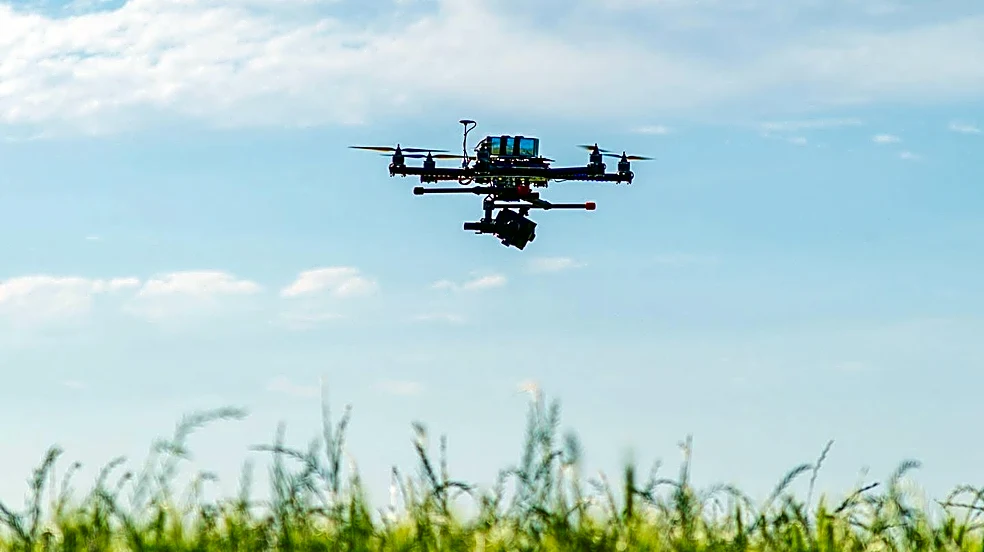
Scentroid has developed a drone-based system, the DR2000 Flying Lab, for monitoring airborne mercury and other metals. This system allows for the collection of air samples in hazardous or inaccessible areas, such as flare plumes, stack paths, or contaminated
zones, without risking human technicians. The DR2000 is a lightweight payload that attaches to various commercial drones and operates independently of the drone's power and communication systems. It features a patented sampling design that draws undisturbed ambient air into a filter, capturing airborne mercury during flight or while hovering at a set point. Each sample point is automatically stamped with GPS position, altitude, time, date, temperature, and relative humidity. After collection, the filter cartridge is analyzed on the ground using a Scentroid Airborne Metal Analyzer, which employs X-ray fluorescence (XRF) to identify and quantify mercury and up to 30 other elements within minutes.
Why It's Important?
This innovation is important for environmental monitoring and industrial safety in the U.S. It significantly reduces the risks associated with collecting air samples in dangerous environments, protecting workers from exposure to toxic substances. The ability to quickly and accurately detect airborne mercury and other heavy metals is crucial for regulatory compliance, environmental protection, and public health. Industries such as oil and gas, mining, and manufacturing, which often deal with potential mercury emissions, can benefit from this technology for more efficient and safer monitoring. The rapid analysis time, compared to traditional off-site lab methods, allows for quicker decision-making and response to potential pollution events, thereby mitigating environmental damage and health risks more effectively.
What's Next?
Scentroid is expected to continue marketing the DR2000 Flying Lab to industries and environmental agencies that require advanced airborne pollutant monitoring. The system's capabilities for multi-metal detection and rapid analysis suggest potential for broader application in various environmental assessment scenarios. Future developments might include enhanced drone autonomy, longer flight times, and integration with real-time data analysis platforms for immediate hazard assessment. The adoption of such drone-based monitoring systems could become a standard practice for environmental compliance and safety protocols across the U.S., potentially leading to stricter enforcement of emission regulations and improved air quality in industrial areas.
Beyond the Headlines
Beyond its immediate utility, Scentroid's drone-based monitoring system represents a broader trend in the application of unmanned aerial vehicles (UAVs) for environmental and industrial tasks. This technology highlights the increasing integration of robotics and AI in hazardous work, pushing the boundaries of what is safely and efficiently achievable. It also raises questions about data privacy and the ethical implications of pervasive aerial monitoring, even for environmental purposes. The long-term impact could include a shift in labor markets, with a reduced need for human presence in dangerous environments but an increased demand for skilled operators and data analysts for these advanced systems. This innovation underscores the ongoing technological evolution aimed at improving safety and environmental stewardship.