


What's Happening?
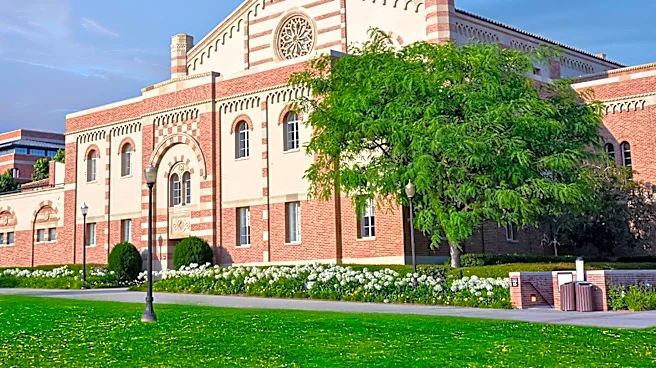
Stephen Schanwald, a University of Maryland alumnus and former executive with the Chicago Bulls, has made a substantial $15 million donation to the university's golf programs. This significant gift is described by the athletic director as "transformational"
for the athletic program. The details of how the funds will be specifically allocated within the golf programs were not fully disclosed in the provided information, but such a large donation typically supports various aspects, including scholarships, facility upgrades, coaching staff, and operational costs. Schanwald's connection to both the university and professional sports highlights a trend of successful alumni giving back to their alma maters.
Why It's Important?
This $15 million donation is highly significant for the University of Maryland's golf programs, elevating their competitive standing and providing resources that can attract top talent. Such a substantial gift can fund state-of-the-art training facilities, enhance recruitment efforts, and provide comprehensive support for student-athletes, including academic and athletic development. This investment can improve the university's reputation in collegiate sports, potentially leading to increased visibility, better performance in national competitions, and a stronger alumni network. For the broader university, it demonstrates the power of alumni philanthropy and can inspire other donors to contribute to various departments, fostering a culture of giving that benefits the entire institution. It also underscores the financial commitment required to maintain competitive athletic programs at the collegiate level.
What's Next?
The University of Maryland's golf programs are expected to utilize this donation to significantly enhance their infrastructure and support systems. This could include the development of new practice facilities, upgrades to existing courses, increased funding for coaching and support staff, and expanded scholarship opportunities for student-athletes. The athletic department will likely develop a strategic plan for the optimal use of these funds to maximize their impact on the golf programs' success and sustainability. This gift may also inspire further fundraising efforts for other sports or academic programs within the university, leveraging the momentum generated by Schanwald's generosity. The long-term goal will be to translate this financial support into sustained athletic excellence and a stronger overall program.
Beyond the Headlines
Beyond the immediate financial boost, this donation reflects the growing trend of private philanthropy shaping collegiate sports. As universities face increasing financial pressures, major gifts from successful alumni become crucial for maintaining and enhancing athletic programs. This can lead to a more professionalized approach to collegiate sports, blurring the lines between amateur and professional athletics. The involvement of figures like Stephen Schanwald, with a background in professional sports management, also brings a wealth of experience and strategic insight that can benefit university programs. However, it also raises questions about equity across different sports within a university, as some programs may receive disproportionately large donations compared to others. Ultimately, such gifts contribute to the competitive arms race in collegiate athletics, where financial resources often dictate success and influence the broader landscape of university sports.