





What's Happening?
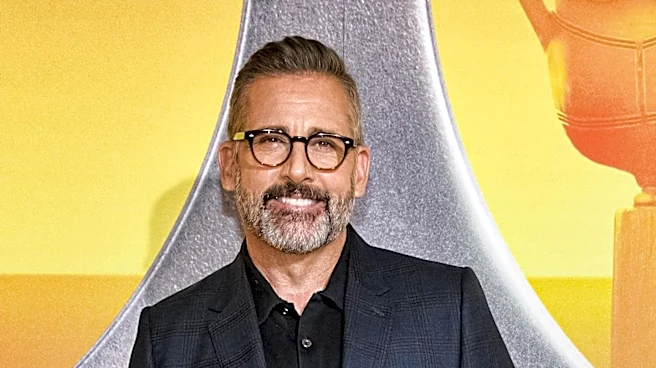
Steve Carell, born in 1962, and Cara Delevingne, born in 1992, are two prominent figures in global entertainment whose names are often searched together despite having no known professional collaboration or personal connection. Carell, an American actor
and comedian, rose to fame through improv, 'The Daily Show,' and his iconic role as Michael Scott in 'The Office,' later transitioning to acclaimed dramatic roles in films like 'Foxcatcher.' Delevingne, an English model and actress, began her career in modeling, becoming a fashion icon before moving into acting with roles in 'Paper Towns' and 'Suicide Squad,' and becoming an advocate for mental health and LGBTQ+ visibility. They represent different generations and career trajectories within the entertainment industry.
Why It's Important?
The separate yet equally impactful careers of Carell and Delevingne highlight the diverse avenues to success in the U.S. and global entertainment industries. Carell's journey from improv to comedic and dramatic acting demonstrates the value of versatility and sustained effort in building a long-lasting career. His work has significantly influenced American television comedy and film. Delevingne's transition from high-fashion modeling to acting and activism showcases the evolving nature of celebrity, where public figures leverage their platforms for social causes. Her openness about mental health and sobriety contributes to important conversations in society, particularly among younger audiences. Their distinct paths underscore that there is no single formula for achieving fame and influence, and both have left significant marks on popular culture.
What's Next?
Both Steve Carell and Cara Delevingne are expected to continue their active careers in entertainment. Carell, now in his mid-sixties, will likely continue to balance comedic and dramatic roles, further solidifying his legacy as a versatile performer. His ongoing projects in film and television will be anticipated by audiences who appreciate his range. Delevingne, in her mid-thirties, is poised to further develop her acting career while continuing her advocacy work. Her future roles and public statements on social issues will likely maintain her relevance and influence, particularly among younger demographics. Their continued work will contribute to the evolving landscape of entertainment, reflecting changing audience tastes and industry trends.
Beyond the Headlines
The juxtaposition of Steve Carell and Cara Delevingne, despite their lack of direct connection, offers a compelling study in the cultural impact of different celebrity archetypes. Carell embodies the 'everyman' who achieves success through relatable humor and understated talent, resonating with audiences through authenticity and humility. Delevingne, on the other hand, represents the modern, multi-hyphenate celebrity who leverages a strong visual identity and social media presence to build a brand that extends beyond traditional entertainment into activism and personal advocacy. Their stories collectively illustrate how fame is constructed and consumed in contemporary society, reflecting shifts in audience values—from appreciating quiet dedication to embracing bold self-expression and social engagement. This comparison provides a deeper understanding of the diverse ways individuals can achieve and maintain influence in the public eye, and how their personal narratives contribute to broader cultural conversations.