




What's Happening?
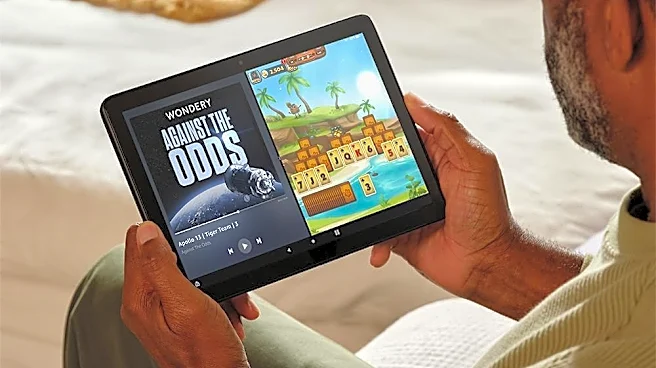
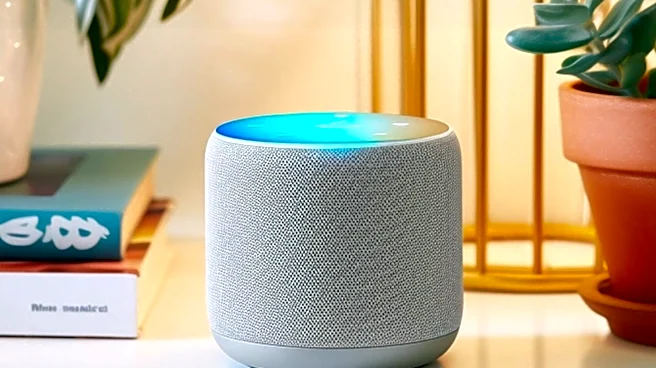
The Amazon Echo Show 8 (3rd Gen) is gaining recognition as a well-balanced smart display, featuring an 8-inch touchscreen, spatial audio, and a responsive processor. This device functions as a comprehensive smart-home hub, supporting Zigbee, Thread, and Matter
devices, allowing for instant device recognition and voice-activated display of camera feeds from brands like Ring, Blink, and Arlo. Priced at $149.99, it is designed for use in various home settings such as kitchens or nightstands. The Echo Show 8 (3rd Gen) also facilitates video calls and serves as a digital photo frame. While praised for its hardware capabilities, some users have reported frustrations related to the transition to Amazon's new Alexa+ app, which has, in certain instances, degraded multi-room speaker groups, camera display functionality, and music app preferences. Despite these software-related issues, the device is generally considered to offer excellent value as a standalone smart display.
Why It's Important?
The Amazon Echo Show 8 (3rd Gen) signifies a continued push by Amazon to integrate smart home technology more deeply into daily life. Its robust smart-home hub capabilities, including support for Zigbee, Thread, and Matter, position it as a central control point for a wide array of connected devices. This broad compatibility simplifies smart home management for consumers, potentially increasing adoption rates of smart home ecosystems. The emphasis on spatial audio and a responsive screen enhances the user experience, making the device more appealing for entertainment and communication. However, the reported issues with the Alexa+ app highlight the challenges in evolving software platforms for complex smart home systems. These software glitches could impact user satisfaction and trust in Amazon's ecosystem, potentially slowing down the widespread acceptance of new Alexa features, especially for users who rely on multi-room audio or seamless camera integration. The device's success could influence future smart display designs and software development strategies across the industry.
What's Next?
Amazon is expected to address the software-related frustrations reported by users regarding the Alexa+ app. Improvements in multi-room speaker group functionality, camera display reliability, and music app integration will be crucial for enhancing user satisfaction and maintaining the Echo Show 8 (3rd Gen)'s competitive edge. The company will likely continue to refine the Alexa+ platform to ensure a more stable and seamless experience for all users, particularly those who have invested in extensive smart home setups. Future updates may also focus on further personalization and connectivity across Amazon's shopping app and other Alexa devices, as indicated by the introduction of Alexa for Shopping in other regions. As the smart home market evolves, Amazon will likely continue to integrate new technologies and features into its Echo Show line to maintain its position as a leading provider of smart displays and voice assistants.
Beyond the Headlines
The evolution of devices like the Amazon Echo Show 8 (3rd Gen) points to a broader trend of smart displays becoming central to the connected home experience, moving beyond simple voice commands to offer visual interaction and comprehensive control over various smart devices. The integration of multiple smart home protocols (Zigbee, Thread, Matter) within a single device reflects an industry-wide effort to overcome fragmentation and create more interoperable ecosystems. This convergence could lead to a more unified and user-friendly smart home environment, but it also raises questions about data privacy and security, as a single device becomes a hub for sensitive information and control. The ongoing software challenges with the Alexa+ app underscore the complexity of managing and updating AI-driven platforms, highlighting the delicate balance between introducing new features and maintaining system stability. This situation could influence consumer expectations regarding software reliability in smart devices and push manufacturers to prioritize seamless updates and robust backward compatibility.