






What's Happening?
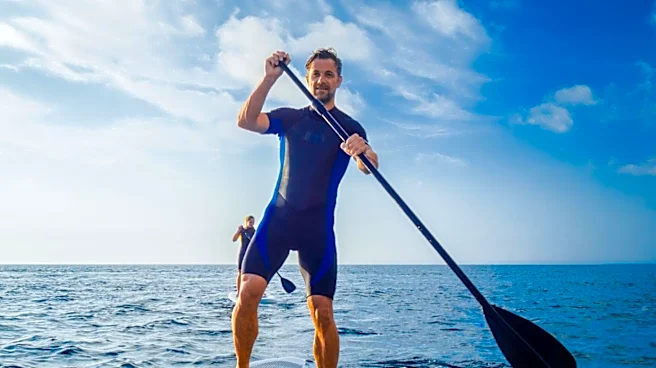
Stand-up paddleboarding (SUP) is gaining recognition as a versatile water sport that provides significant physical and mental health advantages. According to fitness experts, SUP offers a full-body workout, engaging the core, glutes, thighs, feet, and ankles.
The act of balancing on an unstable surface continuously challenges the body, leading to improved proprioception—the body's ability to sense its position and adjust without conscious thought. This low-impact, weight-bearing activity is particularly beneficial for older adults, as it helps to improve stability and reduce the risk of falls. Studies have shown that individuals who engage in SUP training can experience enhanced postural stability compared to those in walking groups. Beyond physical benefits, SUP also offers opportunities for mental well-being through activities like yoga, meditation, and eco-tours, leveraging the calming effects of being in nature and on water.
Why It's Important?
The growing popularity and recognized health benefits of stand-up paddleboarding have significant implications for the U.S. health and wellness industry, as well as for public health initiatives. As the population ages, activities that promote balance, strength, and fall prevention become increasingly crucial. SUP provides an accessible and enjoyable way to address these needs, potentially reducing healthcare costs associated with age-related injuries. For the fitness industry, SUP represents a growing market segment, driving demand for equipment, lessons, and specialized tours. Furthermore, the mental health benefits, such as stress reduction and improved mood from outdoor activity, align with broader public health goals to encourage active lifestyles and connection with nature. This trend could lead to increased investment in water-based recreational facilities and programs across the country, benefiting local economies and promoting community well-being.
What's Next?
The continued rise in stand-up paddleboarding's popularity is likely to spur further innovation in equipment design, making the sport more accessible and appealing to a wider demographic. We can anticipate an increase in specialized SUP classes, including SUP yoga and fitness programs, offered at lakes, rivers, and coastal areas. Local tourism boards and recreational organizations may also expand their offerings to include guided SUP tours and eco-adventures, capitalizing on the sport's appeal for both physical activity and nature immersion. Research into the specific long-term health outcomes of regular SUP participation, particularly for different age groups and health conditions, is also expected to grow, further solidifying its place as a recommended activity for overall well-being. Additionally, as more people engage in SUP, there may be a greater emphasis on water safety education and environmental stewardship to protect the natural spaces where the sport is enjoyed.
Beyond the Headlines
Beyond its immediate health and recreational benefits, stand-up paddleboarding taps into a broader cultural shift towards experiential wellness and sustainable tourism. The emphasis on connecting with nature and engaging in mindful physical activity reflects a growing desire among Americans to integrate health practices into their leisure time. This trend also highlights the economic potential of 'blue spaces'—watery environments—for recreation and tourism, encouraging communities to invest in and preserve their natural aquatic resources. The low-impact nature of SUP, coupled with its versatility for various activities, positions it as a sustainable and inclusive sport that can be enjoyed by individuals of diverse ages and fitness levels. This could foster a more active and environmentally conscious society, promoting both personal well-being and ecological responsibility.