






What's Happening?
Delta Air Lines is implementing a significant revamp of its Delta One business class cabin, introducing a range of new amenities and expanding its premium services. A key enhancement is the increase in its Porsche vehicle fleet, used to transport high-value
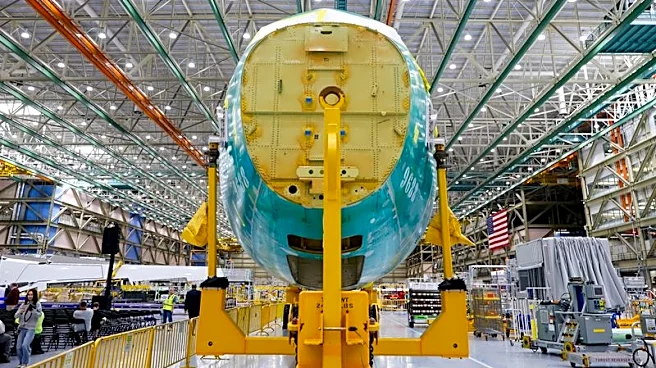
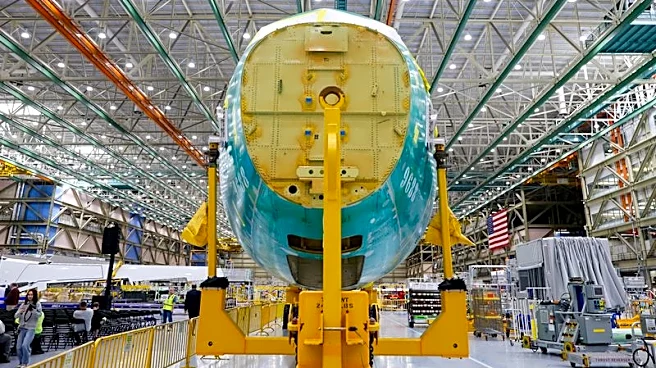
flyers directly to their planes, from 40 to 70 cars due to rising demand. The airline is also unveiling new crockery, Missoni mini pillows, and updated food and beverage menus, which will include Champagne served over sorbet and Blanton's bourbon. These new offerings will begin appearing on flights originating from Los Angeles later this month, with a broader rollout to other routes in the coming months. Additionally, Delta plans to debut updated suites with larger screens and more cushioned, lighter lie-flat seats when its first Airbus A350-1000 planes enter service early next year. While these changes focus on the Delta One cabin, Delta executives are considering similar adjustments for other aircraft, including smaller Airbus jets and future Boeing 787 Dreamliners. This investment in premium service aligns with a long-standing strategy by Delta, which has been focusing on high-end offerings for nearly two decades, a trend also adopted by other major carriers like United Airlines.
Why It's Important?
Delta's substantial investment in its Delta One product underscores the airline industry's increasing focus on premium cabin offerings as a key revenue driver and differentiator. For U.S. travelers, this means an elevated luxury experience for those willing to pay for it, potentially setting new standards for comfort and service in business class. This move could intensify competition among U.S. carriers, prompting rivals to further enhance their own premium products to retain and attract high-value customers. The expansion of services like the Porsche transfers highlights a trend towards personalized, high-touch customer experiences, which can influence customer loyalty and brand perception. Economically, these upgrades reflect confidence in the demand for luxury air travel, suggesting that a segment of the market is willing to pay a premium for enhanced comfort and exclusivity. This strategy also impacts suppliers to the airline industry, from luxury car manufacturers to premium food and beverage providers, as airlines seek high-quality partners for their upscale offerings. The introduction of new suite designs also signals ongoing innovation in aircraft interior design and passenger comfort technology.
What's Next?
The new Delta One amenities, including crockery, pillows, and updated menus, will be rolled out progressively, starting with Los Angeles flights this month and expanding to other routes in the coming months. The updated suites with larger screens and enhanced lie-flat seats are scheduled to debut early next year with the introduction of Delta's first Airbus A350-1000 planes. Delta executives have indicated that they are already planning for future adjustments on other aircraft types, including smaller Airbus jets and the Boeing 787 Dreamliners that are on order for the next decade. This suggests a continuous cycle of product innovation and upgrades across Delta's fleet, aimed at maintaining its competitive edge in the premium travel segment. Other U.S. airlines are likely to monitor Delta's rollout and customer reception closely, potentially influencing their own future investment decisions in premium cabins. The airline's focus on durability and quality for its new items, including testing for chipping, indicates a long-term commitment to these enhancements, despite concerns about items being taken by passengers.
Beyond the Headlines
Delta's emphasis on luxury and exclusivity in its Delta One cabin reflects a broader societal trend where premium experiences are increasingly valued. This strategy goes beyond mere comfort, aiming to create a distinct brand identity and foster a sense of prestige for its top-tier customers. The expansion of the Porsche service, for instance, is not just about convenience but also about the perception of VIP treatment and status. This focus on 'experiential luxury' can create a powerful emotional connection with customers, driving loyalty that extends beyond price considerations. Furthermore, the airline's attention to detail, from custom dinnerware to specific bourbon selections, indicates a sophisticated understanding of the luxury consumer market. This approach could also influence consumer expectations across other service industries, as travelers become accustomed to higher standards of personalized service. The challenge for Delta, and other airlines pursuing similar strategies, will be to consistently deliver on these high expectations while managing operational complexities and cost pressures.