



What's Happening?
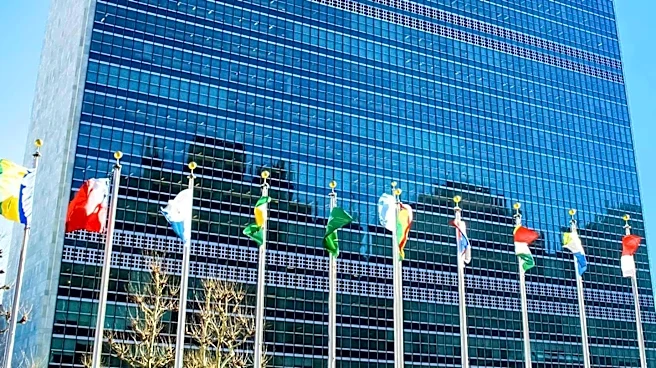
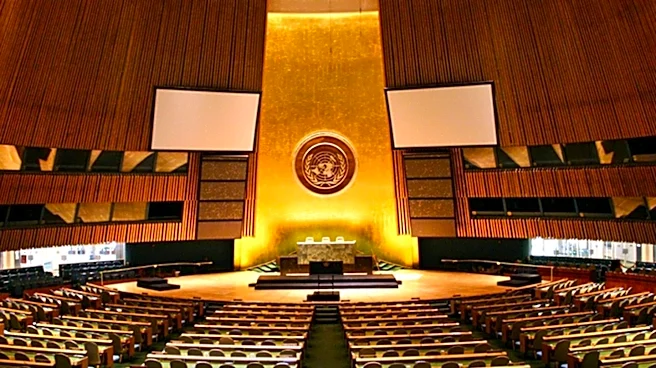
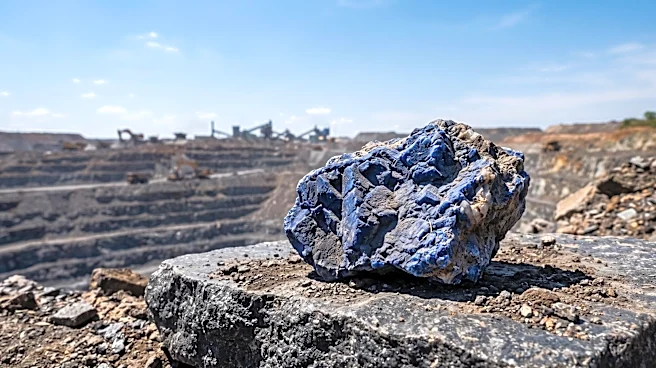
The 15th Annual Forum on Business and Human Rights, co-organized by the UN Working Group on Business and Human Rights, has brought to light significant human rights risks associated with the expansion of critical energy transition mineral (CETM) mining.
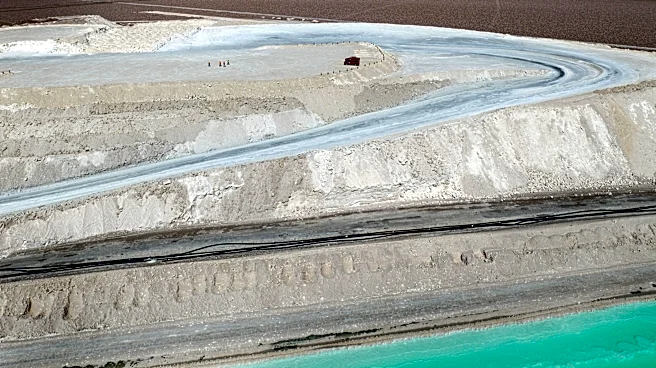
Across producing regions, this expansion has intensified issues such as toxic air and water pollution, unsafe waste management, and child labor. The forum also highlighted violations of Indigenous Peoples' rights, illicit trade in mineral resources, and a shrinking civic space, including threats and attacks on environmental human rights defenders. These concerns underscore that while the global energy transition is a human rights imperative to combat climate change, it risks transferring environmental harms and exacerbating existing inequities if human rights are not explicitly integrated into CETM value chains. The session aims to explore how a human rights-based, inclusive, and accountable transition can be operationalized.
Why It's Important?
This discussion is crucial for U.S. industries and policymakers as the demand for critical minerals, essential for renewable energy technologies, continues to grow. The U.S. relies heavily on global supply chains for these minerals, and the human rights and environmental abuses highlighted by the UN forum pose significant ethical, reputational, and potentially legal risks for American companies. Ensuring ethical sourcing and supply chain transparency becomes paramount to avoid complicity in human rights violations and to maintain consumer trust. For U.S. policy, it emphasizes the need for robust due diligence regulations and international cooperation to promote responsible mining practices and protect vulnerable communities, aligning economic goals with human rights principles. Failure to address these issues could lead to supply chain disruptions, increased costs, and damage to the U.S.'s international standing.
What's Next?
The forum's focus on strengthening accountability pathways, advancing human rights due diligence, and protecting environmental human rights defenders suggests a push for more concrete actions. Businesses, including financial institutions, are expected to integrate human rights and environmental protection into their decision-making and supply chain management. States are urged to ensure accountability and create an enabling environment for the implementation of UN Guiding Principles. Future developments may include the adoption of stricter international guidelines, increased pressure for mandatory human rights due diligence legislation in major economies, and enhanced monitoring of mining operations. Stakeholders, including civil society and affected communities, will likely continue to advocate for greater transparency, participation, and access to remedy for those impacted by CETM mining.
Beyond the Headlines
The implications of this discussion extend to the fundamental ethical considerations of the global energy transition. While the shift to renewable energy is vital for climate action, it must not come at the cost of human rights and environmental justice in mineral-producing regions. This raises questions about the true 'cost' of green technologies and who bears the burden of their production. The forum's emphasis on Indigenous Peoples' rights and the protection of environmental human rights defenders highlights the disproportionate impact on marginalized communities. It also underscores the need for a holistic approach to sustainability that encompasses not only environmental protection but also social equity and human dignity, challenging the notion that any environmental solution is acceptable regardless of its human cost.