
What's Happening?
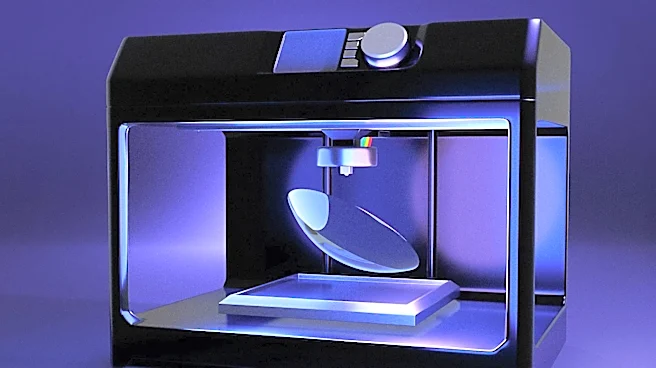
Olight, a manufacturer of everyday carry lights, has introduced UV printing as a new method for customizing its products, specifically the Oclip 2 Pro and ArkPro models. This printing process utilizes
ultraviolet (UV) light to cure specially formulated ink, allowing for the application of full-color designs, intricate patterns, and high-resolution graphics directly onto product surfaces. Unlike traditional laser engraving, UV printing enables a broader visual vocabulary, incorporating vibrant colors and detailed illustrations. This development aims to transform compact tools into more visually expressive items, offering consumers a new level of personalization and aesthetic appeal for their gear. The company highlights that this method allows for complex designs and layered appearances, moving beyond simple single-color finishes.
Why It's Important?
The introduction of UV printing by Olight signifies a notable shift in product customization within the everyday carry (EDC) market. For consumers, this means access to more personalized and aesthetically diverse products, potentially increasing brand loyalty and market engagement. For manufacturers, it represents an opportunity to differentiate products in a competitive market by offering enhanced visual appeal and creative expression. This technology could influence other industries that produce compact, high-value items, pushing them towards more advanced and colorful customization options. The ability to apply intricate, full-color designs could also open new avenues for collaborations with artists and designers, further expanding product lines and market reach. This innovation caters to a growing consumer demand for unique and personalized goods.
What's Next?
Olight is expected to continue integrating UV printing into more of its product lines, potentially expanding the range of customizable items beyond the Oclip 2 Pro and ArkPro. The company will likely monitor consumer reception and sales data to determine the success and future investment in this technology. Other manufacturers in the EDC and similar compact product sectors may observe Olight's strategy and potentially adopt similar UV printing techniques to remain competitive. This could lead to a broader industry trend of offering more visually rich and personalized products. Future developments might include even more advanced printing capabilities, such as textured UV prints or specialized ink formulations for enhanced durability and visual effects.
Beyond the Headlines
The adoption of UV printing technology by Olight reflects a broader trend in consumer goods towards hyper-personalization and the blurring lines between functionality and artistic expression. This development challenges the traditional view of tools as purely utilitarian objects, elevating them to items that can also reflect personal taste and identity. Ethically, this could raise questions about intellectual property rights for designs and the potential for mass-produced items to mimic bespoke craftsmanship. Culturally, it underscores a growing desire among consumers to own unique items that tell a story or express individuality, even in everyday objects. This shift could also influence design education and manufacturing processes, emphasizing the integration of advanced printing technologies from the initial product conception phase.