




What's Happening?
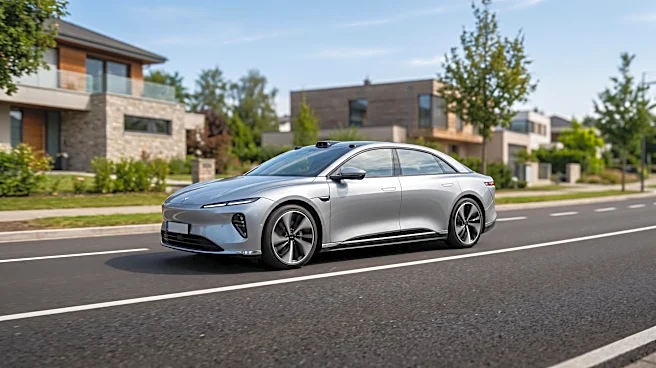
Ride-hailing company Bolt has commenced autonomous vehicle operations on public roads in Luxembourg, collaborating with Chinese autonomous driving technology developer Pony.ai. Five Level 4 autonomous vehicles are currently operating in the communes of
Bissen and Niederanven under a national scientific permit issued by Luxembourg’s Ministry of Mobility and Public Works. Each vehicle is staffed with a trained safety operator. Level 4 autonomy signifies that the vehicles can operate independently within defined areas and conditions without human intervention. This initiative marks Bolt's first autonomous vehicle testing market and its initial pilot for a comprehensive robotaxi business, encompassing vehicle deployment, ride-hailing platform integration, fleet management, and regulatory coordination. The program is managed by Bolt Autonomous Driving Solutions, the company's dedicated unit for autonomous driving, which handles technical integration, regulatory approvals, and city partnerships. This development is part of a broader collaboration between Bolt, Pony.ai, and automotive group Stellantis aimed at introducing autonomous vehicles to Europe.
Why It's Important?
This move by Bolt and Pony.ai in Luxembourg signifies a crucial step in the expansion of autonomous vehicle technology into Europe. By establishing a testing ground and piloting a full suite of robotaxi services, Bolt is laying the groundwork for future commercial operations. The collaboration with Pony.ai, a prominent Chinese developer, highlights the international nature of autonomous driving innovation and the strategic partnerships forming to advance the technology. Luxembourg's proactive regulatory environment, as indicated by the issuance of a national scientific permit, positions it as an early adopter and facilitator of autonomous vehicle development. This could attract further investment and technological advancements to the region, potentially influencing regulatory frameworks and adoption rates across other European nations. The long-term goal of deploying 100,000 autonomous vehicles by 2035 underscores the significant scale Bolt envisions for this technology, which could transform urban mobility and logistics.
What's Next?
While autonomous vehicle operations have begun, rides are not yet available to the public, and commercial services will require a subsequent phase of agreement with Luxembourg’s authorities. Bolt has not specified when this commercial phase will commence, though previous statements indicated driverless operations in Luxembourg were slated for 2027, pending regulatory approvals. Bolt plans to expand its fleet and operating area across the wider Luxembourg region, encompassing a broader range of driving conditions. The company has set an ambitious target of deploying 100,000 autonomous vehicles across Europe and the wider UNECE region on its platform by 2035. This expansion will likely involve continued collaboration with Pony.ai and Stellantis, as well as ongoing engagement with regulatory bodies to secure necessary approvals for commercial deployment and broader operational zones. The success of this pilot program in Luxembourg will likely inform Bolt's strategy for entering other European markets.
Beyond the Headlines
The initiation of autonomous vehicle testing in Luxembourg by Bolt and Pony.ai extends beyond mere technological deployment; it represents a significant step in shaping the future of urban infrastructure and public perception of autonomous mobility. The presence of safety operators in each vehicle during this testing phase is crucial for building public trust and gathering essential data for refining the autonomous systems. This cautious approach is vital for addressing potential ethical and safety concerns associated with self-driving cars. Furthermore, the collaboration between a European ride-hailing giant and a Chinese autonomous driving developer highlights the increasing globalization of technological innovation and the potential for cross-continental partnerships to accelerate progress. The long-term vision of 100,000 autonomous vehicles by 2035 suggests a future where human-driven vehicles may become less prevalent in certain urban areas, leading to profound shifts in urban planning, employment in the transportation sector, and the overall user experience of mobility.