






What's Happening?
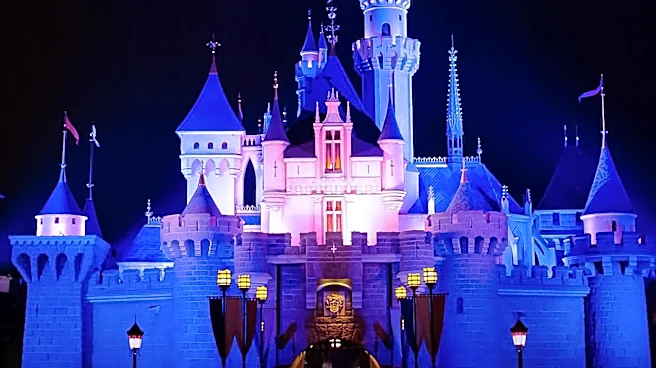
U.S. families are encountering increased prices across various entertainment sectors as the fall and holiday seasons approach. Disney theme parks, specifically Disneyland and Walt Disney World, are at the forefront of this trend. While Disney has not
officially announced a Disneyland price increase, an analysis by Mickey Visit projects a potential adjustment around October 6 or 7, based on historical pricing patterns. Walt Disney World has already implemented higher peak prices for some 2027 dates, with the highest one-day Magic Kingdom ticket increasing from $209 in 2026 to $219 for 2027. The Bureau of Labor Statistics reported a 2.9% increase in the admissions category (including movies, theaters, concerts, theme parks, and museums) year-over-year in August, though month-to-month prices in this category saw a slight decrease of 0.8%. Disney continues to use date-based pricing, promotional offers, and separately ticketed events to manage demand and optimize revenue.
Why It's Important?
The rising cost of entertainment, particularly at major theme parks like Disney, has significant implications for American families and the leisure economy. For consumers, these price increases can make family vacations and entertainment experiences less accessible, potentially impacting discretionary spending and travel patterns. For the entertainment industry, dynamic pricing strategies, while maximizing revenue during peak times, also risk alienating budget-conscious consumers. The competitive landscape in the theme park industry, especially in Florida with the opening of Universal’s Epic Universe, adds pressure on Disney to balance pricing with visitor experience and attendance. The economic impact of Disney's operations is substantial, generating billions in economic activity across Florida and the U.S., making its pricing strategies a key indicator for the broader entertainment and tourism sectors.
What's Next?
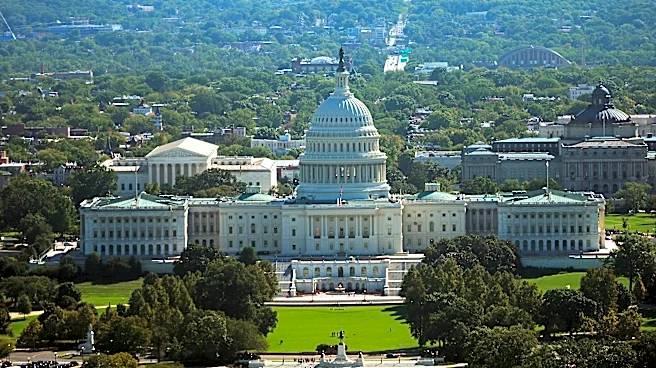
Consumers can expect continued dynamic pricing models from theme parks, where ticket costs will vary significantly based on the date, demand, and specific event. Disneyland is anticipated to announce a price adjustment in early October, following its historical pattern. Walt Disney World has already set higher peak prices for 2027, indicating a sustained trend of date-specific pricing. The competitive environment, particularly in Florida with Universal's expansion, may influence future pricing strategies as parks vie for visitors. Families looking to manage entertainment costs will need to be strategic, utilizing promotional offers, considering off-peak visits, or exploring alternative, lower-cost entertainment options like Washington D.C.'s free Smithsonian museums. The entertainment market will remain highly variable, with pricing dictated by specific events, locations, and demand rather than uniform increases.
Beyond the Headlines
The trend of rising entertainment costs and dynamic pricing reflects a broader shift in consumer behavior and industry strategies. It highlights the increasing premium placed on unique experiences and the industry's sophisticated use of data analytics to optimize pricing. This can lead to a two-tiered entertainment market, where premium experiences become increasingly exclusive, while more affordable options may see increased demand. The psychological impact of variable pricing, where identical services cost different amounts, can also influence consumer perception of value and fairness. Furthermore, the reliance on separately ticketed events and premium add-ons suggests a move towards unbundling services, allowing consumers to customize their experiences but potentially leading to higher overall spending for a comprehensive visit. This evolution in pricing models could set precedents for other service industries, impacting how consumers engage with and pay for leisure activities in the future.