



What's Happening?
Bermuda's tourism industry is struggling to recover, with air visitor numbers for the first nine months of the latest reporting year nearly 23% lower than in 2019, representing a deficit of almost 50,000 visitors. This decline is attributed significantly
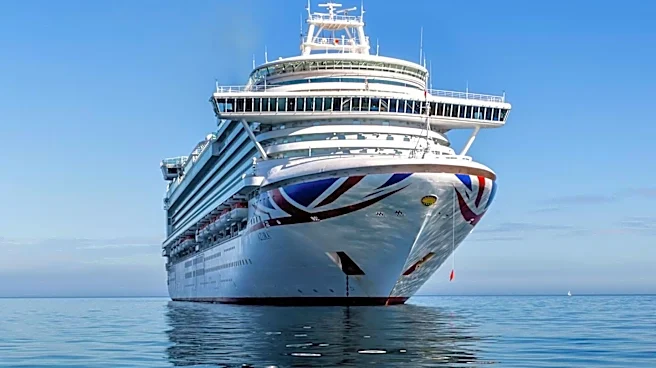
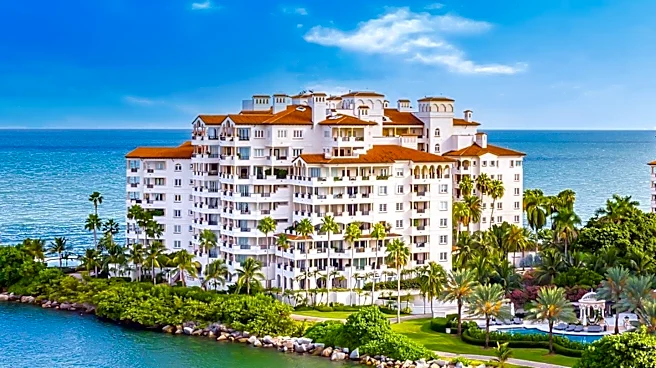
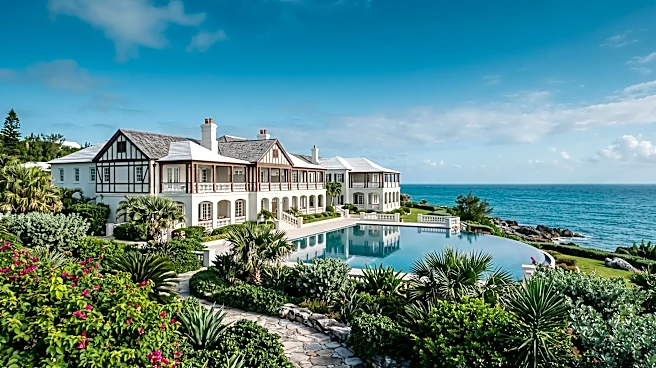
to the prolonged closure of the Fairmont Southampton resort since 2020, which accounts for nearly 600 rooms and a substantial portion of the island's tourism capacity. While cruise passenger numbers have increased, their economic impact is considerably less than that of air visitors, with air visitors spending over six times more on average in 2019. Other Caribbean destinations have surpassed their pre-pandemic tourism levels, attracting new hotel developments and expanding air services, highlighting Bermuda's lagging recovery. The Shadow Minister of Tourism, Craig Cannonier, criticizes the government for its failure to ensure the timely reopening of the Fairmont Southampton, despite legislative support and committed concessions.
Why It's Important?
The continued stagnation of Bermuda's tourism sector has significant economic repercussions. The closure of the Fairmont Southampton alone represents a loss of nearly 600 hotel rooms, hundreds of employment opportunities, and substantial visitor spending, directly impacting local businesses and the overall economy. The reliance on cruise passengers, who spend significantly less than air visitors, means that increased arrivals in this segment cannot compensate for the loss of higher-spending air tourists. This situation puts Bermuda at a competitive disadvantage compared to other Caribbean nations that have successfully revitalized their tourism industries. The government's perceived inertia in addressing key infrastructure issues, such as the hotel's reopening, raises concerns about its ability to execute major projects vital for the island's economic future and its commitment to the tourism sector's recovery.
What's Next?
The reopening of the Fairmont Southampton, initially anticipated sooner, has been pushed back to 2027. This delay suggests that Bermuda's tourism recovery will continue to face significant headwinds in the immediate future. The government will likely face ongoing scrutiny and pressure to demonstrate tangible progress on this and other tourism-related initiatives. Stakeholders, including local businesses and residents dependent on tourism, will continue to feel the economic strain. The comparison with other Caribbean destinations that are experiencing robust growth may intensify calls for more proactive and effective strategies from Bermuda's government to attract air visitors and stimulate the economy. The focus will remain on whether the government can deliver on its commitments and accelerate the recovery of this crucial industry.
Beyond the Headlines
The challenges in Bermuda's tourism sector extend beyond mere visitor numbers, touching upon deeper issues of governance, economic diversification, and community well-being. The debate over the Fairmont Southampton's reopening highlights the tension between political assurances and actual execution, potentially eroding public trust. Furthermore, the emphasis on air visitors' higher spending underscores the need for a tourism model that prioritizes quality over sheer quantity, ensuring that the economic benefits are substantial and widely distributed. The situation also prompts a broader discussion about Bermuda's long-term economic resilience and its ability to adapt to changing global tourism trends, especially in an increasingly competitive regional market. The ethical implications of delayed projects and their impact on local livelihoods are also a significant underlying concern.