





What's Happening?
Actors, including Cheyenne Jackson, are publicly sharing their struggles to meet the earnings threshold required to qualify for SAG-AFTRA healthcare. Jackson, known for roles in 'American Horror Story' and '30 Rock,' revealed he was thousands of dollars
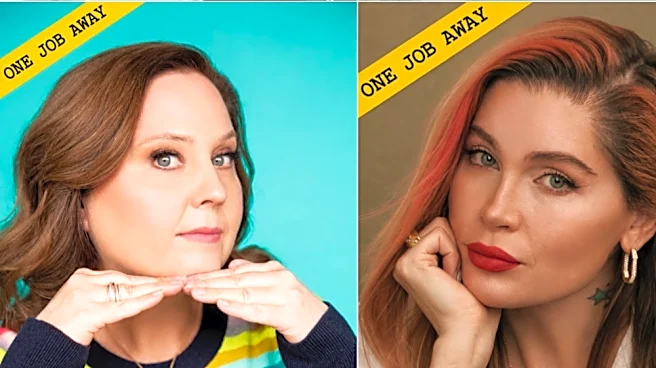
short of the approximately $28,000 annual minimum needed to maintain coverage for himself, his husband, and their children last year. This issue is not isolated, with other actors like Jack Haven and Drake Bell also vocalizing their difficulties in securing the necessary earnings. The problem is attributed to a decline in film and television production in Hollywood, an exodus of film jobs abroad, industry consolidation, and concerns about AI's impact on employment. Jackson has initiated a social media project, 'One Job Away,' to spotlight other union members facing similar healthcare eligibility challenges, receiving hundreds of messages within 24 hours of its launch.
Why It's Important?
The challenges faced by SAG-AFTRA members in qualifying for healthcare highlight significant vulnerabilities within the entertainment industry's employment and benefits structure. The union's health plans, typically managed through collective contributions from producers and studios, require members to meet specific earnings or hours thresholds for coverage. The current climate, marked by reduced production and increased competition, means many working actors, even those with established careers, are struggling to meet these requirements. This situation not only impacts the health and financial stability of individual performers but also raises questions about the long-term sustainability of industry-specific healthcare models. The rising earnings minimum, set to increase to $28,933 in 2027, further exacerbates these concerns, potentially pushing more members out of eligibility and into precarious health situations.
What's Next?
The ongoing public discourse initiated by actors like Cheyenne Jackson is likely to intensify pressure on SAG-AFTRA and industry stakeholders to address the healthcare eligibility crisis. The union's national executive director, Duncan Crabtree-Ireland, has acknowledged the 'real source of anxiety and concern' among members regarding health coverage. While the union has previously faced lawsuits over changes to its health plan, the current wave of public outcry may prompt further discussions or negotiations regarding eligibility criteria, employer contributions, or alternative solutions. Actors will continue to navigate a challenging landscape, potentially taking on diverse and unconventional roles to meet earnings minimums. The 'One Job Away' initiative could also grow, providing a platform for collective action and support among affected union members.
Beyond the Headlines
This issue extends beyond mere financial hardship, touching upon the ethical responsibilities of an industry towards its workforce, particularly in a country where healthcare is often tied to employment. The struggles of actors to maintain health insurance underscore a broader societal problem of healthcare accessibility and affordability, especially for those in gig economies or project-based work. The situation also reveals a potential disconnect between the public perception of Hollywood glamour and the economic realities faced by the majority of its workers. The increasing role of AI in content creation further complicates this, raising concerns about job displacement and the future of human labor in creative fields. This crisis could catalyze a re-evaluation of how unions and industries provide essential benefits in an evolving economic and technological landscape.