


What's Happening?
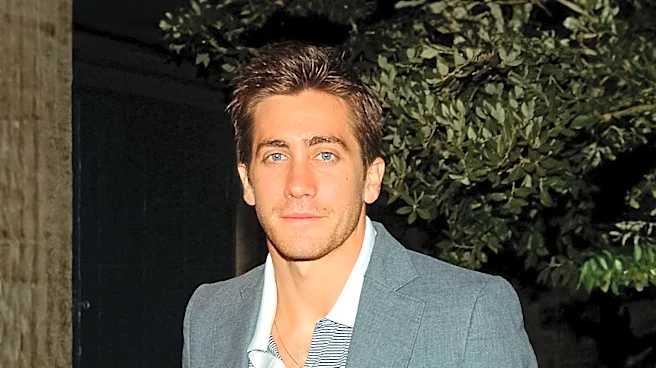
Jake Gyllenhaal, a prominent American actor born on December 19, 1980, in Los Angeles, California, is widely recognized for his lead role in the cult classic film 'Donnie Darko'. However, the casting for this pivotal role was not straightforward, with
several other actors considered before Gyllenhaal secured it. Jason Schwartzman was initially attached to the project and was in a strong position to play the protagonist, having experience with similar roles. His involvement helped the film gain credibility and attention in Hollywood. Unfortunately, a last-minute scheduling conflict forced Schwartzman to withdraw, leading director Richard Kelly to search for a new lead. During this period, the production faced a significant risk of collapse. Other actors, including Vince Vaughn and Mark Wahlberg, were also reportedly considered for the role. Vaughn was approached but allegedly declined due to feeling too old to portray a teenager, while Wahlberg reportedly wanted to play Donnie with a lisp, which could have significantly altered the character's portrayal. Ultimately, Gyllenhaal's casting proved instrumental in the film's success and its eventual recognition within the industry.
Why It's Important?
The casting decisions for a lead role in a film, especially one that achieves cult status like 'Donnie Darko', can profoundly impact its reception and legacy. Gyllenhaal's portrayal of Donnie Darko is often cited as a key factor in the film's enduring appeal, showcasing his ability to convey a complex mix of irritation, confusion, and vulnerability. Had Vince Vaughn, known for his comedic and more mature roles, taken the part, the character might have appeared older and less relatable to the teenage experience central to the film. Similarly, Mark Wahlberg's more aggressive energy and proposed lisp could have created a vastly different dynamic for Donnie, potentially altering the audience's perception of his interactions with other characters like Frank and Gretchen. The eventual success of 'Donnie Darko' with Gyllenhaal in the lead highlights the critical nature of actor-role synergy in filmmaking, demonstrating how the right fit can elevate a project from a challenging production to a cinematic touchstone. This situation underscores the delicate balance between creative vision, logistical constraints, and the unique contributions an actor brings to a character.
What's Next?
While the casting of 'Donnie Darko' is a historical event, its implications continue to resonate in discussions about film production and actor choices. The film's enduring popularity ensures that Gyllenhaal's performance remains a benchmark for complex character portrayals in independent cinema. For aspiring filmmakers and casting directors, this case serves as a valuable lesson in perseverance and the importance of finding the right talent, even under pressure. The 'what if' scenarios surrounding Vaughn and Wahlberg also fuel ongoing fan discussions and critical analyses, contributing to the film's rich cultural dialogue. Future projects involving Gyllenhaal will likely continue to be viewed through the lens of his past successes, including 'Donnie Darko', influencing expectations for his performances and the types of roles he undertakes. The film's legacy also encourages continued exploration of unconventional narratives and the potential for breakout performances from actors who might not have been initial frontrunners.
Beyond the Headlines
The story behind Jake Gyllenhaal's casting in 'Donnie Darko' delves into the often-unseen complexities of film production, where creative visions clash with practical realities. The initial difficulty in securing financing and the director's insistence on his own screenplay highlight the challenges faced by independent filmmakers. The near collapse of the production after Jason Schwartzman's departure underscores the fragility of early-stage film projects and the critical role that key personnel, including actors, play in their viability. This narrative also touches upon the subjective nature of casting, where a director's intuition and an actor's unique qualities can converge to create an iconic performance, even if they weren't the first choice. The film's eventual cult status, despite its initial struggles, speaks to the power of artistic integrity and the lasting impact of a well-executed vision. It also raises questions about how different casting choices might have altered the film's philosophical and psychological interpretations, given the depth and ambiguity of its themes.