









What's Happening?
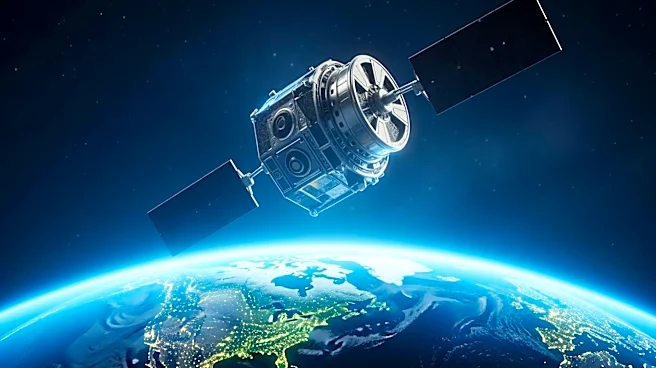
Sophia Space, an orbital-compute startup, has announced a $7 million funding round to support its plans for deploying edge compute hardware in orbit. The funding, which includes contributions from EverGreen and SparkLabs Group, will be used to expand
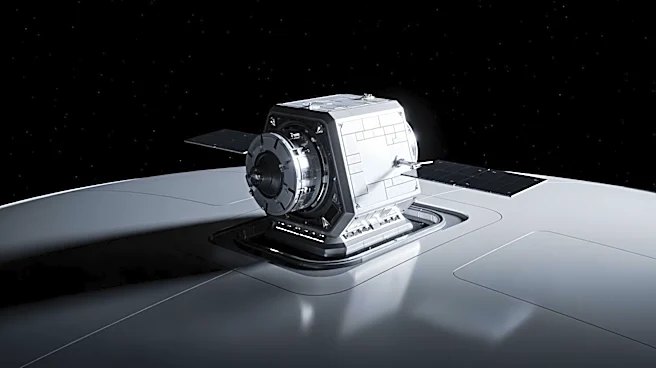
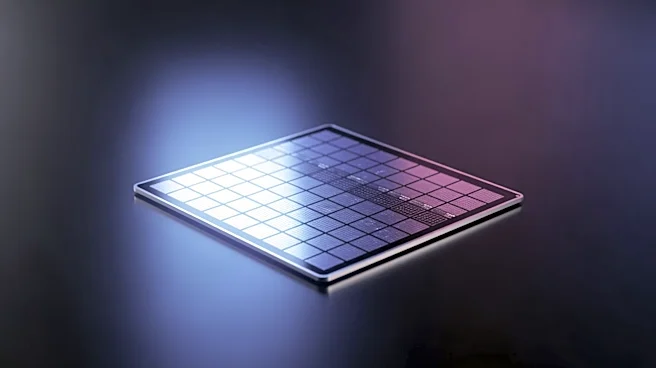
Sophia's engineering team and manufacturing capabilities. The company is preparing for two in-orbit demonstrations of its TILE compute platform, with the first scheduled for this fall. These demonstrations aim to validate Sophia's technology for processing data in space, addressing the limitations of current satellite data handling capabilities. Sophia's approach focuses on efficient heat management and computing power distribution, setting it apart from competitors like SpaceX.
Why It's Important?
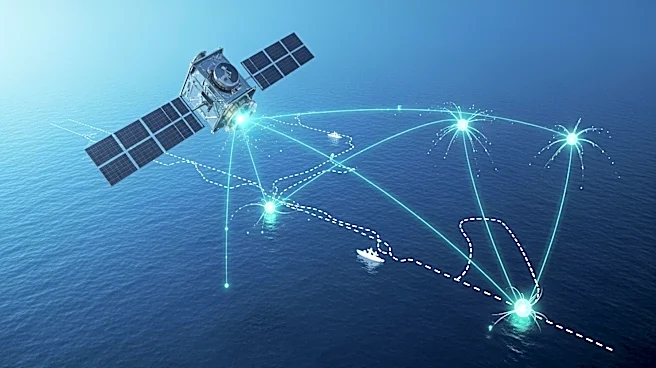
Sophia Space's advancements in in-orbit computing represent a significant step forward in space technology. By enabling data processing directly in orbit, Sophia aims to overcome the bandwidth limitations that currently hinder satellite data utilization. This development could revolutionize how data is managed in space, offering more efficient and cost-effective solutions for satellite operations. The successful deployment of Sophia's TILE platform could lead to broader applications in orbital data centers, impacting industries reliant on satellite data, such as telecommunications, earth observation, and defense. The funding and upcoming demonstrations highlight the growing interest and investment in space-based computing solutions.
What's Next?
Sophia Space plans to conduct its first in-orbit demonstration this fall, followed by a second in 2027. These tests will assess the TILE platform's ability to handle data processing tasks in space, potentially paving the way for full-scale deployment. The company will continue to expand its team and manufacturing capabilities to support these efforts. As Sophia progresses, it may attract further investment and partnerships, positioning itself as a leader in the emerging field of orbital computing. The success of these demonstrations could influence the development of future space technologies and drive competition in the sector.