


What's Happening?
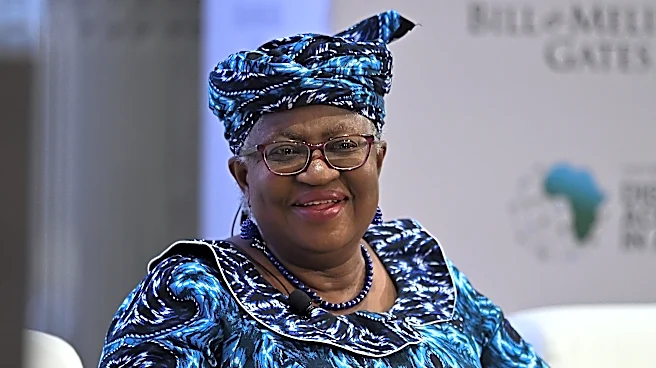
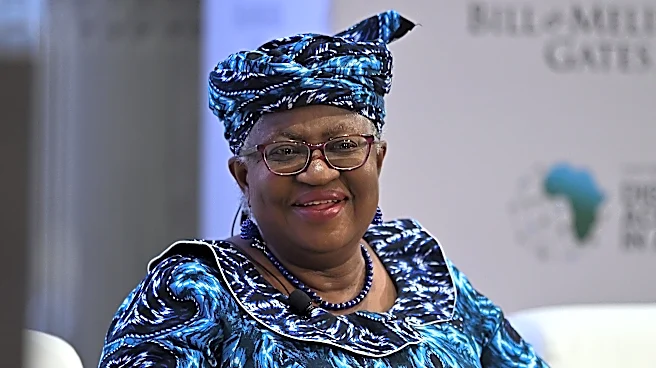
Ngozi Okonjo-Iweala, Director-General of the World Trade Organization (WTO), is currently in Kigali for the third edition of the African Renaissance Group (ARG) Retreat. This closed-door meeting brings together influential business leaders, economists,
and former government officials to focus on Africa's economic development. Among the attendees are Aliko Dangote, Founder of Dangote Group; Mo Ibrahim, founder of the Mo Ibrahim Foundation; and Hailemariam Desalegn, former Prime Minister of Ethiopia. Okonjo-Iweala described the gathering as an assembly of senior African public and private sector figures discussing strategies to grow and develop the continent's economy, with a particular emphasis on trade. The retreat serves as a platform for these leaders to exchange ideas, deliberate on Africa’s most pressing challenges, and explore avenues for long-term transformation.
Why It's Important?
The participation of the WTO Director-General and other prominent figures at the ARG Retreat underscores the growing global recognition of Africa's economic potential and the importance of fostering intra-African trade and development. Discussions at this retreat could lead to new initiatives and collaborations aimed at boosting economic growth, creating jobs, and improving living standards across the continent. For U.S. industries and businesses, a more economically robust Africa presents opportunities for increased trade, investment, and partnerships. Conversely, instability or slow growth in Africa could limit these opportunities. The focus on trade, as highlighted by Okonjo-Iweala, is particularly significant, as enhanced trade frameworks and policies could facilitate greater market access and economic integration, benefiting both African nations and their international trading partners, including the United States.
What's Next?
The immediate next steps involve the continued closed-door deliberations at the ARG Retreat, where participants are expected to formulate actionable strategies and recommendations for Africa's economic development. While specific outcomes are not yet public, the discussions are likely to influence policy decisions and investment priorities in various African nations. Following the retreat, attendees may advocate for the implementation of these strategies within their respective spheres of influence, potentially leading to new trade agreements, infrastructure projects, or investment initiatives. The insights and proposals generated could also inform the WTO's future engagements and support for African economies, potentially shaping global trade policies relevant to the continent.
Beyond the Headlines
The African Renaissance Group Retreat, by bringing together such a high-caliber group of leaders, signifies a concerted effort to shift the narrative around Africa from one of aid dependency to one of self-driven economic empowerment and innovation. This gathering reflects a broader trend of African leaders taking ownership of their continent's destiny, focusing on sustainable development through trade and internal collaboration. The emphasis on trade as a key driver for growth also highlights a strategic move away from traditional development models, suggesting a more integrated and self-reliant approach to economic progress. This could lead to a re-evaluation of international partnerships, with a greater emphasis on equitable trade relationships rather than purely philanthropic endeavors, potentially reshaping global economic dynamics and the role of African nations on the world stage.