






What's Happening?
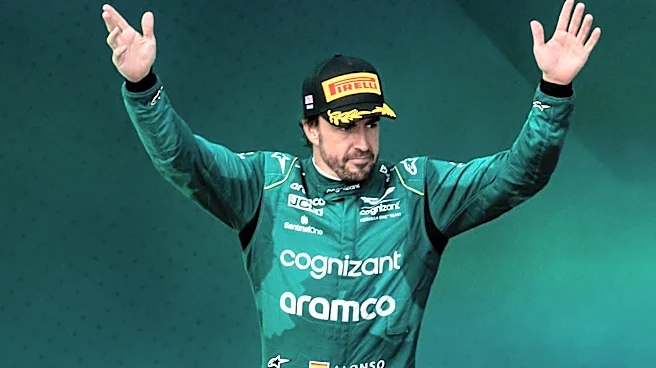
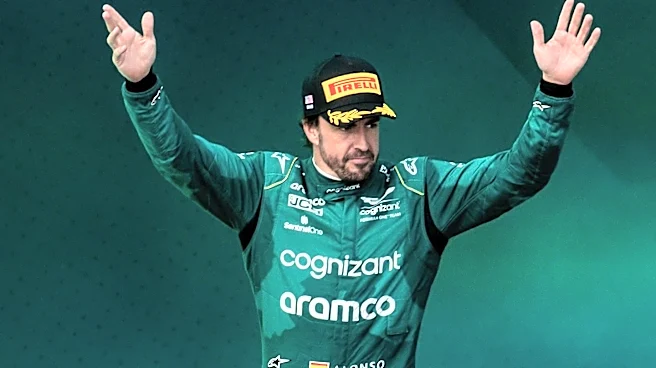
Williams team principal James Vowles has publicly disagreed with Formula 1 driver Fernando Alonso's assertion that the quality of drivers in the lower ranks of the F1 grid is "very low." Alonso's comments followed an incident at the United States Grand
Prix where contact with Alex Albon of Williams damaged his Aston Martin, leading to a 16th-place finish. Alonso reiterated his stance ahead of the Mexico City Grand Prix, suggesting that certain drivers were aware his comments applied to them. However, Albon himself also pushed back, arguing that the overall caliber of drivers has improved significantly, particularly as lower-end teams can now prioritize talent over sponsorship revenue due to the sport's increased popularity. Vowles, a veteran of the paddock since 2001, supported Albon's view, stating that the current grid is filled with race winners and podium contenders, and that the standard of driving has never been higher.
Why It's Important?
This dispute highlights a significant debate within Formula 1 regarding driver talent and the competitive landscape of the sport. Fernando Alonso, a two-time World Champion, represents a perspective that suggests a decline in skill among some drivers, potentially impacting race integrity and safety. Conversely, James Vowles and Alex Albon's defense of the current grid emphasizes the professionalization of F1, where financial backing is less of a barrier for talented drivers. This discussion is crucial for the sport's image and future, as it touches upon how F1 identifies and nurtures talent, and whether the current regulations and team structures foster a truly meritocratic environment. The outcome of such debates can influence fan perception, sponsorship interest, and even future rule changes aimed at balancing competition and driver skill across all teams.
What's Next?
While this specific disagreement is unlikely to lead to formal action, it contributes to an ongoing dialogue within Formula 1 about driver standards and the competitive balance of the grid. Such public exchanges between prominent figures like Alonso, Vowles, and Albon often spark further discussion among fans, media, and other team personnel. It may prompt F1 governing bodies to subtly evaluate driver performance metrics or consider how new talent is integrated into the sport. The incident at the United States Grand Prix, which sparked Alonso's initial comments, was deemed a racing incident by stewards, indicating that no further penalties or reviews are expected for that specific event. However, the broader conversation about driver quality will likely continue to be a talking point throughout the season and beyond.
Beyond the Headlines
The underlying tension revealed by this exchange goes beyond a simple disagreement about driving skill; it touches upon the evolving economics and professionalization of Formula 1. Albon's point about the reduced reliance on 'pay drivers' suggests a shift towards a more merit-based system, where talent is prioritized over financial contributions. This could have long-term implications for how young drivers enter the sport and how teams are structured. If F1 continues to attract significant investment and viewership, the trend of prioritizing pure talent is likely to strengthen, potentially leading to an even more competitive and skilled grid in the future. However, it also raises questions about the accessibility of the sport for aspiring drivers from less affluent backgrounds, even if the 'pay driver' model is diminishing.