

What's Happening?
U.S. homeowners are increasingly investing in outdoor living spaces with a focus on personal enjoyment and long-term lifestyle goals, rather than primarily for resale value. According to the 2026 U.S. Houzz Outdoor Trends Study, the percentage of homeowners motivated
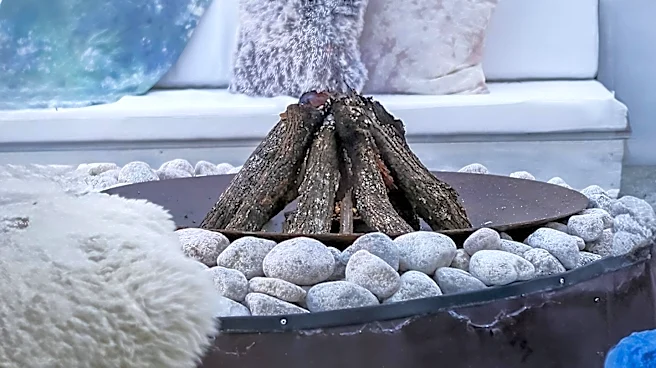
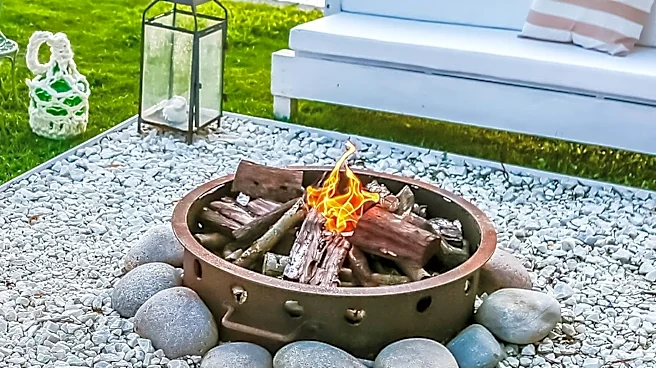
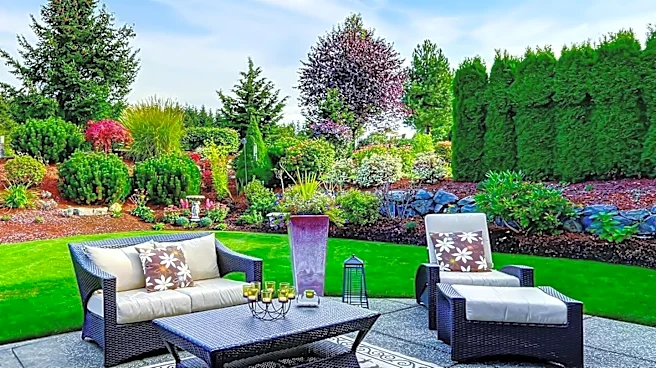
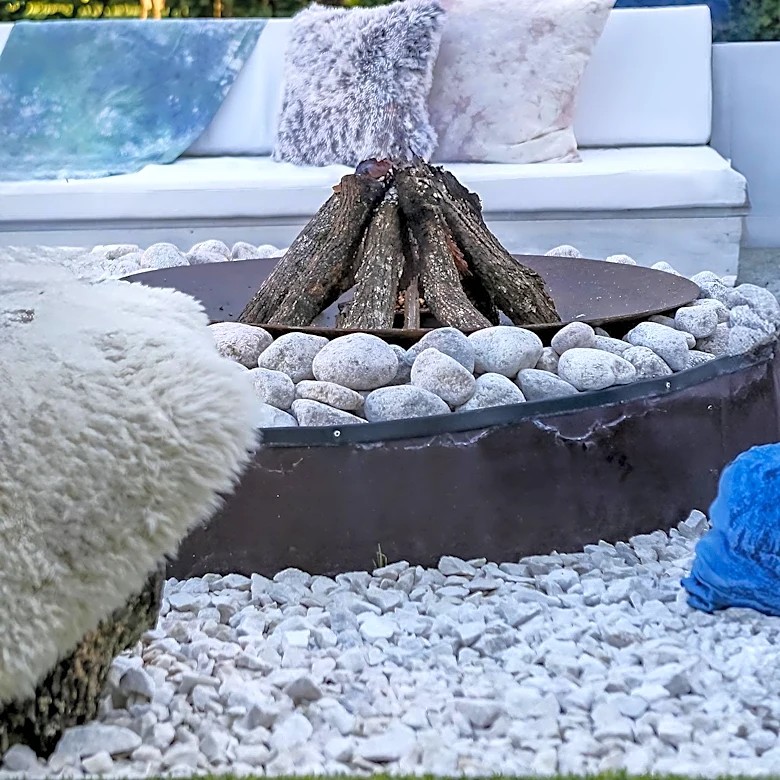
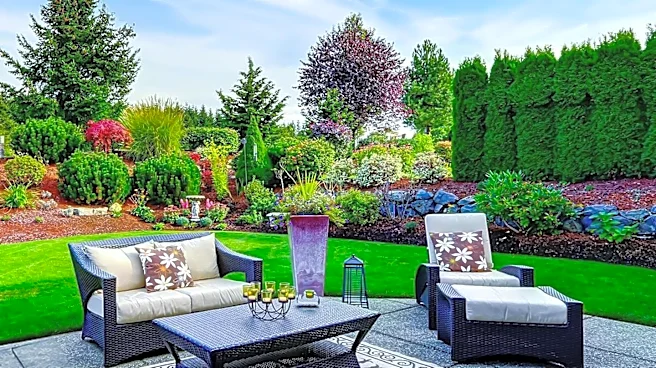
by making their spaces more accommodating rose to 25%, up from 22% in 2024. Conversely, those renovating to improve resale value decreased to 15% from 18% in 2024. This shift is leading to backyards, patios, and gardens becoming true extensions of the home, designed for a variety of activities. Lounge or seating areas are the most common outdoor living spaces, included by 83% of renovating homeowners, followed by dining areas (55%) and quiet retreats (53%). Many outdoor lounge areas now feature sofas or lounge chairs (71%), coffee or side tables (55%), and fireplaces or fire pits (48%). Additionally, 66% of these areas incorporate outdoor lighting to extend usability into the evening.
Why It's Important?
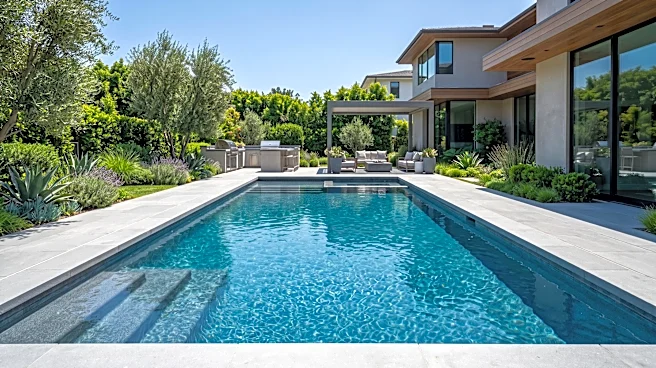
This trend signifies a fundamental change in how U.S. homeowners perceive and utilize their outdoor spaces, moving beyond mere aesthetics or investment returns to prioritize daily comfort and functionality. The increased investment in features like outdoor kitchens with plumbing, electrical, and heating systems, as well as storage solutions, indicates a desire for fully equipped outdoor environments that rival indoor living areas. This shift creates significant opportunities for businesses in the home improvement, landscaping, and outdoor furniture sectors. Manufacturers and retailers of outdoor appliances, lighting, and specialized construction materials stand to benefit from the demand for more elaborate and integrated outdoor living solutions. Furthermore, the growing reliance on professionals for these sophisticated projects, with 71% of homeowners hiring at least one pro, highlights a booming market for landscape contractors, general contractors, and specialized trades.
What's Next?
The emphasis on personal enjoyment and lifestyle integration is expected to continue shaping the outdoor living market. Homeowners will likely seek more customized and technologically advanced solutions for their outdoor spaces. This could drive further innovation in weather-resistant materials, smart outdoor appliances, and energy-efficient lighting. The demand for low-maintenance landscaping, including drought-resistant and native plants, is also projected to grow as homeowners seek to reduce upkeep while maintaining aesthetically pleasing environments. Professionals in the outdoor design and construction industry will need to adapt to these evolving preferences, offering comprehensive services that cater to complex, multi-functional outdoor zones. The market may also see an increase in integrated design services that combine landscaping, construction, and interior design principles to create seamless indoor-outdoor transitions.
Beyond the Headlines
The trend of transforming outdoor spaces into extensions of the home reflects a broader cultural shift towards valuing experiences and well-being over purely material gains. This movement suggests that homes are increasingly seen as sanctuaries and hubs for personal and social life, rather than just assets. The integration of advanced infrastructure like plumbing and electrical systems into outdoor areas blurs the lines between indoor and outdoor living, potentially leading to new architectural and design paradigms. This could also influence urban planning and community development, with a greater emphasis on private and communal outdoor spaces that support diverse activities. The focus on low-maintenance and climate-conscious landscaping also points to a growing environmental awareness among homeowners, integrating sustainability into lifestyle choices and home design.