




What's Happening?
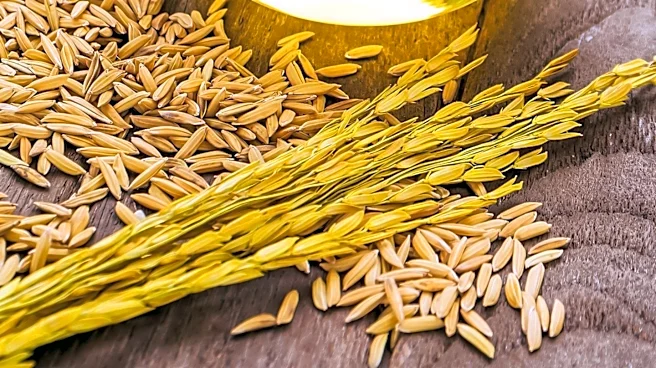
A recent controlled laboratory study published in Current Research in Food Science has revealed that the colonization of defatted rice bran by the filamentous fungus Aspergillus flavus significantly alters its nutritional composition, leading to increased
protein and lipid content. The study, conducted by researchers including C. A. Senna, M. V. Cruz, L. Kupski, and E. Badiale-Furlong, found that after just seven days of fungal development, crude protein content rose by 54.5% and total lipid concentrations surged by 948.8%. However, this metabolic activity also generated toxic secondary metabolites, specifically aflatoxins, which exceeded international regulatory benchmarks for grain products. Net aflatoxin B1 synthesis peaked at 3.8 nanograms per gram on day twenty-one, and cumulative aflatoxin concentrations reached 16.4 nanograms per gram at twenty-one days, surpassing the European reference ceiling for total aflatoxins. The research highlights a critical dilemma for the food processing sector, where apparent nutritional gains are severely offset by significant food safety hazards.
Why It's Important?
This research is important for the U.S. food processing industry and consumers due to the increasing demand for sustainable plant-based protein isolates. Defatted rice bran, a byproduct of edible oil extraction, has been considered a promising raw material for functional ingredient manufacturing. However, the study's findings underscore a major food safety concern: the potential for aflatoxin contamination during storage and processing. Aflatoxins are potent carcinogens, and their presence in food products can lead to severe health risks for consumers. The lack of specific statutory thresholds for defatted rice bran and its derivative protein fractions in regulations like EU 2023/915 means that current safety protocols may be insufficient. This could impact the market viability of rice bran-derived protein products and necessitate stricter monitoring and decontamination strategies, potentially increasing production costs and affecting the competitiveness of U.S. producers in the global market. Consumers stand to lose if contaminated products enter the supply chain, while businesses face regulatory scrutiny and reputational damage.
What's Next?
The study emphasizes the need for rigorous storage controls and validated mycotoxin decontamination strategies before fermented defatted rice bran can be commercially utilized. Future research will likely focus on developing effective methods to mitigate aflatoxin production during fungal fermentation or to remove these toxins from the final protein concentrates. This could involve exploring different fungal strains, optimizing fermentation conditions, or implementing advanced purification techniques. Regulatory bodies may also consider establishing specific thresholds for aflatoxins in defatted rice bran and its derivatives to ensure consumer safety. The food industry will need to invest in research and development to overcome these toxicological challenges if it wishes to leverage defatted rice bran as a sustainable protein source, potentially leading to new processing technologies and safety standards.
Beyond the Headlines
The findings extend beyond immediate food safety, touching upon broader implications for sustainable food systems and waste valorization. The drive to utilize agro-industrial byproducts like rice bran for protein production is a key aspect of circular economy initiatives. However, this study reveals that such valorization efforts must be meticulously balanced with health and safety considerations. The presence of aflatoxins introduces an ethical dimension, as the pursuit of nutritional enhancement cannot compromise public health. This research highlights the complex interplay between biotechnology, food science, and regulatory frameworks, suggesting that innovation in food production must be accompanied by robust risk assessment and management. It also points to the need for greater transparency and traceability in food supply chains, especially for novel ingredients derived from agricultural waste, to build consumer trust and ensure long-term sustainability.