






What's Happening?
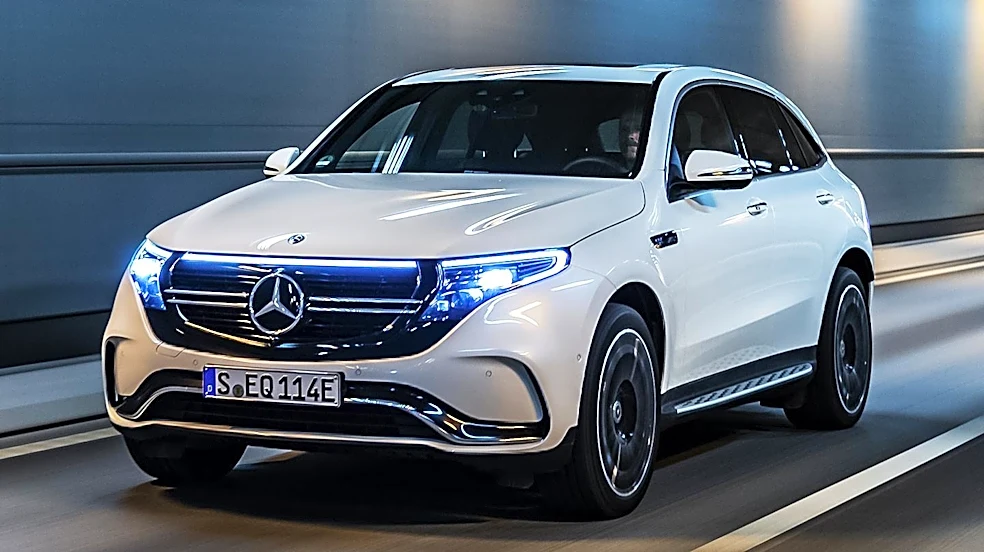
Mercedes-AMG is developing an all-electric GT SUV, slated for release in 2028, which will be built from the ground up on the new AMG.EA 800-volt electrical architecture. This marks a significant shift for the brand, as it will be an original model rather
than an electrified version of an existing Mercedes-Benz vehicle. The GT SUV will feature advanced performance technologies, including active suspension, variable-geometry aerodynamics, and a lightweight construction utilizing aluminum and carbon fiber. Three variants are planned: the GT53 with 544 horsepower, the GT55 with 816 horsepower, and the top-tier GT63 boasting 1169 horsepower. These models will offer dual or tri-motor setups, providing all-wheel drive. The vehicle will also incorporate AMG Race Engineer software for adjustable throttle response, torque distribution, and traction control, alongside a synthetic soundtrack designed to mimic traditional engine sounds.
Why It's Important?
The introduction of the Mercedes-AMG GT SUV signifies a major strategic move by Mercedes-AMG into the high-performance electric SUV market, directly challenging established competitors like the Porsche Cayenne EV. This development highlights the accelerating trend of electrification within the luxury and performance automotive sectors, indicating a future where electric powertrains are central to high-performance vehicles. For U.S. consumers, this means more options in the premium electric SUV segment, potentially driving innovation and competition in areas like range, charging infrastructure, and advanced driver technologies. The focus on ground-up electric vehicle design also suggests a deeper commitment to EV technology, moving beyond simply adapting existing internal combustion engine platforms. The performance figures, particularly the 1169-hp GT63, underscore the brand's intent to maintain its performance pedigree in the electric era, appealing to a demographic that values both luxury and cutting-edge automotive engineering.
What's Next?
As the 2028 launch approaches, more details regarding pricing, official EPA range estimates, and specific market availability for the U.S. are expected to be released. Mercedes-AMG will likely continue to refine the vehicle's performance and technological features, potentially showcasing prototypes or pre-production models to build anticipation. The competition with the Porsche Cayenne EV will intensify, with both manufacturers likely pushing the boundaries of electric SUV performance and luxury. Consumers can anticipate a growing array of high-performance electric vehicles entering the market, prompting further advancements in battery technology, charging speeds, and integrated digital experiences. The success of the GT SUV could also influence future product development strategies for other luxury automakers, potentially accelerating their own electric performance vehicle initiatives.
Beyond the Headlines
This move by Mercedes-AMG reflects a broader industry-wide pivot towards sustainable mobility, even within the high-performance segment. The integration of advanced software like AMG Race Engineer and synthetic engine sounds points to a future where the driving experience in electric vehicles will be meticulously engineered to replicate or even enhance traditional automotive sensations. The emphasis on lightweight materials and 800-volt architecture highlights the ongoing pursuit of efficiency and performance in EV design. Furthermore, the direct challenge to Porsche in this niche market could lead to a 'horsepower war' in the electric SUV space, pushing technological limits and potentially setting new benchmarks for electric vehicle capabilities. This shift also raises questions about the long-term appeal of traditional internal combustion engine performance vehicles as electric alternatives become increasingly sophisticated and powerful.