






What's Happening?
A recent report by Skift, titled 'Skift State of Travel 2026,' indicates a significant shift in global travel priorities, with cultural immersion now ranking ahead of adventure and luxury. The research highlights that 71% of respondents are most likely
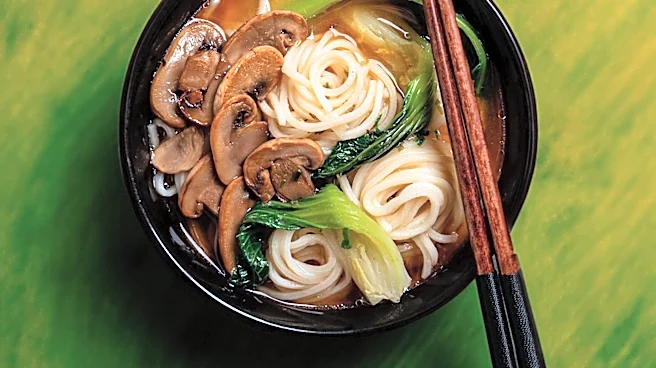
to spend on food and culinary experiences, surpassing other activities such as adventure and nature (48%), arts, culture, and history (42%), live events and entertainment (36%), health and wellness (36%), and sports (24%). This trend is consistent across various regions, including Asia, the Middle East and North Africa, North America, and Europe, where cultural immersion travelers constitute the largest segment. The report also notes the increasing influence of AI in travel planning, with 62% of global travelers familiar with AI tools and 81% of high-income travelers using them.
Why It's Important?
This shift in traveler preferences has significant implications for the U.S. tourism and hospitality industries. Businesses that traditionally focused on adventure or luxury offerings may need to re-evaluate their strategies to incorporate more authentic cultural and culinary experiences. For U.S. destinations, this means an opportunity to highlight local food scenes, cultural heritage, and community-based activities to attract a growing segment of travelers seeking deeper engagement. The emphasis on authenticity and specific experiences suggests that generic, mass-market tourism might become less appealing, pushing the industry towards more personalized and niche offerings. Furthermore, the rise of AI in travel planning indicates that U.S. travel companies must invest in technology to remain competitive, offering AI-powered tools for personalized recommendations and seamless booking processes. Those who adapt to these evolving demands stand to gain market share, while those who do not risk falling behind.
What's Next?
In response to these trends, U.S. travel and hospitality businesses are likely to increase their focus on developing and promoting cultural and culinary tours, workshops, and events. This could involve partnerships with local chefs, artisans, and cultural institutions to create unique and authentic experiences. Destinations may also invest in marketing campaigns that highlight their distinct cultural identities and gastronomic offerings. The growing use of AI in travel planning suggests that more sophisticated AI-driven platforms will emerge, offering highly personalized itineraries and recommendations based on individual preferences for cultural immersion and culinary exploration. Additionally, the report's mention of 'dupe destinations' and 'coolcations' indicates a potential shift towards less crowded, more affordable, and climate-resilient travel options, which could lead to the development of new tourism hubs in the U.S. that offer unique cultural experiences away from traditional hotspots.
Beyond the Headlines
The prioritization of cultural immersion and culinary experiences reflects a broader societal trend towards authenticity and meaningful engagement. In an increasingly globalized and digital world, travelers are seeking genuine connections with local cultures and a deeper understanding of different ways of life. This trend also highlights the power of food as a universal language and a primary vehicle for cultural exchange. Beyond economic impacts, this shift could foster greater cross-cultural understanding and appreciation, as travelers actively seek to learn about and participate in local traditions. The integration of AI into travel planning, while offering convenience, also raises questions about the balance between technological efficiency and the human element of discovery and spontaneity in travel. The desire for authenticity, even with AI assistance, suggests a nuanced future for travel where technology enhances, rather than replaces, genuine human experiences.