




What's Happening?
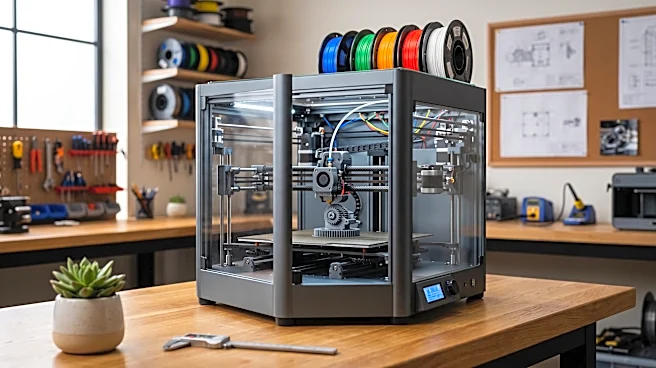
Bambu Lab has launched its new P3C 3D printer, priced at $1,149, offering many advanced features previously seen in its higher-end H3C model, which costs $2,499. The P3C is designed to provide multi-material and multi-color printing capabilities to a broader
audience, including hobbyists, small studios, and educational institutions. This new model can swap between materials, mix colors, and utilize different nozzle sizes and filament diameters within a single print. However, to achieve the lower price point, Bambu Lab made several design changes. The P3C features a smaller print area of 256 x 256 x 260mm and supports seven automatically swapping tools, though it comes with only five 0.4mm print nozzles by default. A significant difference from previous Bambu Lab models is the absence of filament-loading motors in its automated material system (AMS), requiring manual filament loading. According to Bambu Lab spokesperson Karlie Hou, this omission was a deliberate effort to offer premium multi-head performance at roughly half the price of the flagship H3C system.
Why It's Important?
The introduction of the Bambu Lab P3C at a significantly lower price point could democratize advanced 3D printing capabilities, making multi-color and multi-material printing more accessible to a wider range of consumers and small businesses in the U.S. This move could intensify competition within the desktop 3D printer market, potentially pushing other manufacturers to innovate or reduce prices. For hobbyists and educational institutions, the P3C offers a more affordable entry into sophisticated 3D printing, enabling more complex and creative projects. However, the manual filament loading process might deter some users accustomed to fully automated systems, potentially creating a niche for those who prioritize cost savings over convenience. The P3C's ability to mix soft and hard materials, as well as different nozzle and filament sizes, could also open new avenues for product development and prototyping in various U.S. industries, from design to small-scale manufacturing.
What's Next?
Bambu Lab plans to release a software update aimed at reducing the manual filament loading time for the P3C to under one minute, which could address one of the primary concerns for potential users. The company's strategy to offer premium features at a lower cost suggests a continued focus on expanding its market share. Competitors in the 3D printing space will likely monitor the P3C's reception and may respond with their own product adjustments or new releases to maintain competitiveness. Users will also be evaluating the long-term performance of the P3C, particularly regarding filament drying when left in printheads and the practicalities of manual loading for frequent material changes. The success of this model could influence future product development cycles across the industry, potentially leading to more cost-effective multi-material 3D printers.
Beyond the Headlines
The P3C's design philosophy, which balances advanced features with cost-cutting measures like manual filament loading, highlights a growing trend in consumer technology: making high-end capabilities accessible through strategic compromises. This approach could foster a new generation of 'tinkerers' who are willing to engage more directly with their tools to achieve professional-grade results without the premium price tag. The decision to omit automated loading also raises questions about user experience versus affordability in the evolving 3D printing landscape. While some users may find the manual process a step backward, others might view it as a minor trade-off for significant cost savings. This could lead to a segmentation of the market where convenience-focused users opt for higher-priced, fully automated systems, while budget-conscious creators embrace models like the P3C, fostering a more hands-on approach to digital fabrication.